The United States and Iran have reported significant progress in peace negotiations aimed at ending the Middle East war, with both sides signaling that a breakthrough may be imminent. US President Donald Trump announced on Saturday that a memorandum of understanding on a peace deal with Iran has been 'largely negotiated', with the proposed agreement including the reopening of the strategically vital Strait of Hormuz.
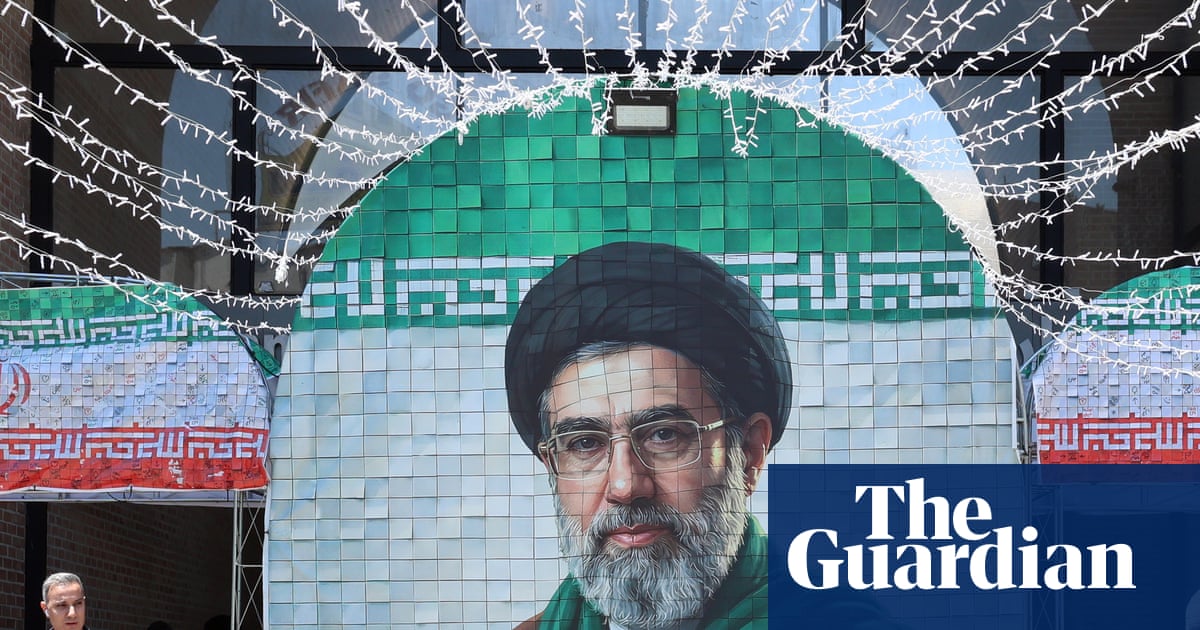
Secretary of State Marco Rubio confirmed the developments, stating that 'significant progress' had been made in US-Iran negotiations. However, he counseled caution, emphasizing that final agreement depends on approval from Iranian leadership and the completion of specific compliance steps. Rubio expressed optimism about the talks, suggesting that 'good news' could be expected soon.
The Strait of Hormuz holds immense economic significance as approximately one-fifth of global oil shipments pass through this narrow waterway. Its closure during the conflict has had substantial impacts on global energy markets and supply chains. According to Iranian news agencies, the proposed deal could see shipping levels through the strait return to pre-war levels within weeks of implementation.
The negotiations are being conducted with Pakistani mediation playing a crucial role. Pakistan's Chief of Defence Forces, Field Marshal Asim Munir, concluded a high-stakes visit to Tehran on Saturday following intensive talks. Pakistan's military described the discussions as producing 'encouraging progress' toward a final understanding between Iran and the United States.
Despite the optimistic statements from both sides, important details of the proposed agreement remain unclear. Iranian officials told Pakistani mediators that one or two clauses still need to be clarified to Iran's satisfaction before the memorandum of understanding can be forwarded to Iran's Supreme National Security Council and Supreme Leader Ali Khamenei for final approval. This suggests that significant hurdles remain despite the reported progress.
Russia has questioned the US assessment of the negotiations' progress. Mikhail Ulyanov, Russia's envoy to international organizations in Geneva, suggested that Iranian evaluations of the talks are likely closer to reality than American assessments. He criticized US messaging on the negotiations as 'less responsible', implying that Washington had portrayed greater progress than actually exists.
Israel's response to the potential deal has been notably muted, with Israeli leaders saying little publicly about the developments. Analysts interpret this silence as reflecting Israeli concerns that an agreement may not significantly degrade Iran's nuclear and missile capabilities. Reports suggest Israel fears Trump may accept a limited deal that fails to eliminate Tehran's enriched uranium stockpile.
The proposed framework reportedly hinges on a 60-day truce and would revive talks on limiting Iran's nuclear program. However, the specific terms, verification mechanisms, and enforcement procedures have not been disclosed publicly. The deal's success would depend heavily on both sides' commitment to implementation and ongoing compliance monitoring.
Trump's approach to Iran has historically alternated between diplomatic overtures and threatening rhetoric. Supporters view this unpredictable strategy as a negotiating strength, while critics see it as reflecting deeper strategic dilemmas in US-Iran relations. The current developments represent a potential turning point in the three-month conflict, though the ultimate outcome remains uncertain.
The international community is watching closely as the negotiations progress, given the broader implications for Middle East stability and global energy security. The reopening of the Strait of Hormuz would provide significant relief to global markets, while a broader peace agreement could reshape regional dynamics. However, with key details still under negotiation and approval processes pending on both sides, the timeline for any final agreement remains unclear.
Fast take
The United States and Iran have reported significant progress in peace negotiations aimed at ending the Middle East war, with both sides signaling that a breakthrough may be imminent.
NOFRAME signal
Medium divergence · 15 Sources · 5 Regions
What remains open
Coverage is not fully split, but it is not identical either. That makes the comparison useful: the fact base shows the common core, while the perspectives show where political, regional, or institutional priorities change the emphasis.
Dossier compass
Which media spaces carry the story and how broad the source base is.
Source mix
Underlit angles
- Russian doubts about US portrayal of progress
- Israeli concerns about limited effectiveness of the deal
- Details about Pakistani mediation
Open originals
Go straight to the linked articles. NOFRAME does not replace those sources.
Why it matters
Coverage is not fully split, but it is not identical either. That makes the comparison useful: the fact base shows the common core, while the perspectives show where political, regional, or institutional priorities change the emphasis.
Timeline
NY Times World · May 24, 2026 at 11:12 AM
Israeli Leaders Say Little About Trump’s Potential Iran Deal
NY Times World · May 24, 2026 at 11:38 AM
Iran War Live Updates: U.S. and Iran Signal Move Toward Initial Peace Deal, but Details Remain Murky
The Guardian · May 24, 2026 at 11:44 AM
Iran’s leader and security council ‘still need to approve’ peace deal with US
Globe and Mail · May 24, 2026 at 11:47 AM
‘Significant progress’ made in Iran-U.S. peace talks, but no final agreement yet, Rubio says