US President Donald Trump announced on Sunday via his Truth Social account that he has instructed his negotiators not to rush into a deal with Iran. 'The negotiations are proceeding in an orderly and constructive manner, and I have informed my representatives not to rush into a deal in that time is on our side,' Trump wrote. He emphasized that the blockade would remain in full force until an agreement is reached, certified, and signed.
The announcement comes at a time when the United States and Iran appear closer than ever to reaching an agreement that could end a war that has engulfed the Middle East and disrupted global oil markets. Trump had previously stated that an agreement had been 'largely negotiated' and would include the reopening of the Strait of Hormuz. US Secretary of State Marco Rubio suggested that the world might receive 'good news' soon.
From Iran's perspective, Foreign Ministry spokesman Esmaeil Baqaei spoke of 'a trend towards rapprochement' with Washington, but warned that this does not necessarily lead to an agreement. Iran has signaled willingness to first draft a memorandum of understanding - a kind of framework agreement - before reaching a final deal within 30 to 60 days.
The details of the possible agreement encompass several key points. The United States would lift the blockade on Iranian ports and grant sanctions waivers that would allow Iranian oil exports to resume. In return, Iran would commit to not pursuing nuclear weapons capability. The reopening of the strategically important Strait of Hormuz, through which a significant portion of global oil transport flows, is also central to the negotiations.
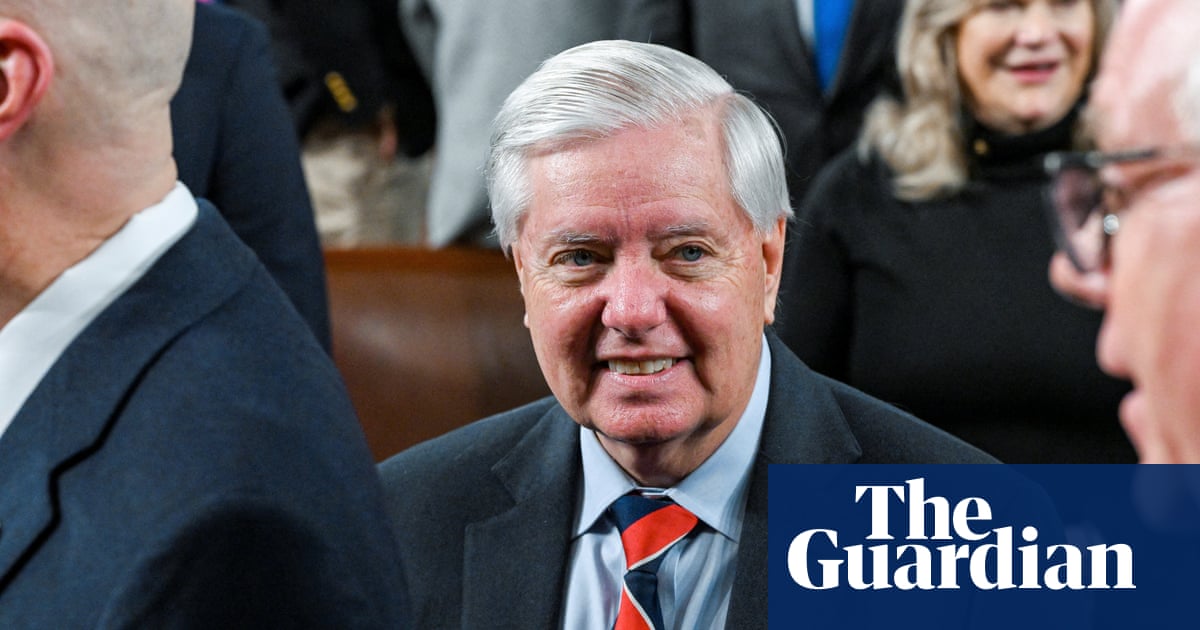
However, the potential agreement faces significant resistance from within Trump's own party. Republican hawks have issued a rare rebuke of Trump, describing the planned peace deal as a 'disaster.' Prominent Trump allies like Ted Cruz and Lindsey Graham, who originally supported his controversial decision to wage war on Iran, are now urging him to 'hold the line.' Former CIA director and Secretary of State Mike Pompeo sharply criticized the emerging agreement, arguing it resembled the approach of the Obama nuclear deal that Trump later abandoned.
There are also international concerns. Israeli media reported that Prime Minister Netanyahu expressed concerns about the US administration's handling of Iran's nuclear file during a phone call with Trump. The Israeli leadership apparently fears that an agreement might not sufficiently contain Iran's regional ambitions.
Trump defended the costs of the conflict by arguing that revenues from Venezuelan oil had more than offset the war expenses. He claimed the gains had paid for the conflict 'about 25 times over.' This statement refers to US actions in Venezuela, which Trump cited as evidence that his administration's policies had produced significant economic benefits.
Meanwhile, Iran's leadership is already projecting victory, arguing that the possible preliminary agreement has not required major concessions from their side. This portrayal could aim to minimize domestic criticism in Iran and sell the agreement as a diplomatic success.
The negotiations are taking place against the backdrop of months of tensions that have burdened the global economy. The disruption of oil markets and uncertainty about energy supplies have had worldwide impacts. A successful agreement could not only end the regional conflict but also contribute to stabilizing energy markets. However, many details remain unclear, and it is not yet certain whether both sides are prepared to make the necessary compromises to reach a lasting solution. The coming days and weeks will be crucial in determining whether the diplomatic momentum can be sustained and translated into a concrete, implementable agreement that addresses the core concerns of all parties involved.
Fast take
US President Donald Trump announced on Sunday via his Truth Social account that he has instructed his negotiators not to rush into a deal with Iran.
NOFRAME signal
Medium divergence · 15 Sources · 5 Regions
What remains open
Coverage is not fully split, but it is not identical either. That makes the comparison useful: the fact base shows the common core, while the perspectives show where political, regional, or institutional priorities change the emphasis.
Dossier compass
Which media spaces carry the story and how broad the source base is.
Source mix
Underlit angles
- Internal Republican criticism receives less prominent treatment
- Israeli concerns receive less attention
- Detailed analysis of US domestic criticism
Open originals
Go straight to the linked articles. NOFRAME does not replace those sources.
Why it matters
Coverage is not fully split, but it is not identical either. That makes the comparison useful: the fact base shows the common core, while the perspectives show where political, regional, or institutional priorities change the emphasis.
Timeline
NY Times World · May 24, 2026 at 03:08 PM
These Are 5 of the Main Issues to Be Resolved in an Iran-U.S. Peace Deal
Sputnik · May 24, 2026 at 03:21 PM
Trump Vows to Maintain Naval Blockade of Iran Until Deal Signed
NY Times World · May 24, 2026 at 03:28 PM
Iran Projects Victory in Potential Deal With Washington
Al-Monitor · May 24, 2026 at 04:00 PM
Trump says US will not 'rush into a deal' with Iran, as criticism mounts