The United States and Iran are reportedly on the verge of finalizing a significant ceasefire agreement that would extend the current truce by 60 days and reopen the strategically crucial Strait of Hormuz. This development marks a potential breakthrough in the tense relationship between the two nations and could have far-reaching implications for global energy supplies.
President Donald Trump announced on Sunday that a peace deal with Iran has been 'largely negotiated.' However, he emphasized that the agreement remains 'subject to finalization,' indicating that important details still need to be resolved. According to reports from Axios, the proposed agreement would provide for a 60-day extension of the existing ceasefire and enable the reopening of the Strait of Hormuz.
Pakistan has emerged as a crucial mediator in this diplomatic process. Prime Minister Shehbaz Sharif expressed hope to host new rounds of Iran-US talks 'very soon,' describing recent discussions in Tehran as 'highly productive.' He praised Trump's 'extraordinary efforts to pursue peace' in West Asia. Pakistan's mediating role underscores the complex regional dynamics and the importance of third parties in resolving the conflict.
The reported agreement would allegedly allow Iran to resume its oil sales, which would be of enormous significance for the Iranian economy. Additionally, the country would reportedly gain the opportunity to enter negotiations on its controversial nuclear program. According to New York Times reports, the more complex questions regarding Iran's nuclear program would only be addressed after an initial agreement is reached.
However, disagreements between the negotiating parties are already apparent. Iranian officials have disputed aspects of Trump's statements. Iran's Fars news agency reported that Iran would manage the Strait of Hormuz and called Trump's assertions about the strait 'inconsistent with reality.' These differing accounts suggest that despite optimistic tones, significant differences remain.
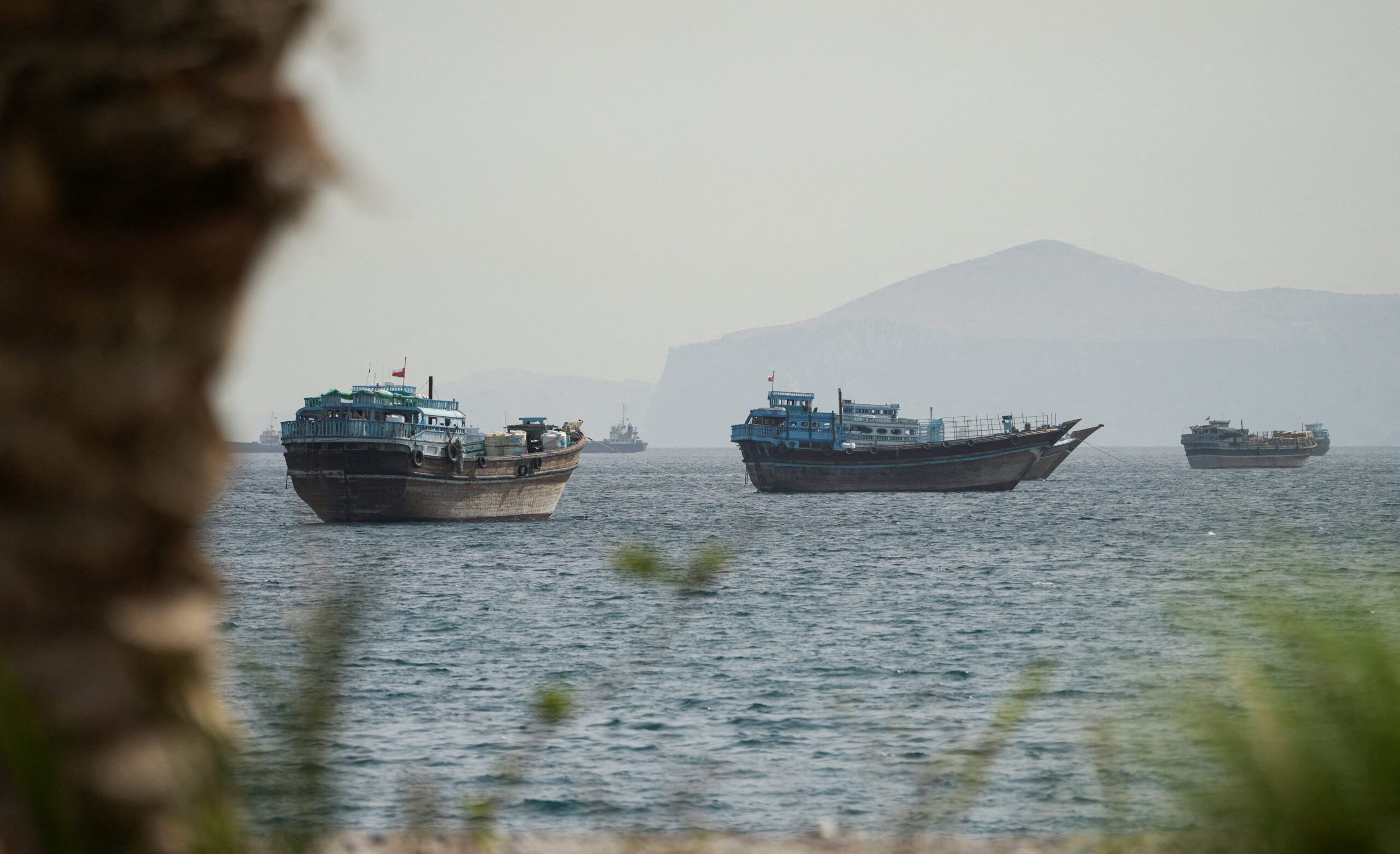
The Strait of Hormuz is one of the world's most important shipping routes for oil transport and therefore has immense strategic and economic significance. Approximately one-fifth of global oil shipments pass through this waterway between Iran and Oman. A blockade or disruption of traffic through the strait can lead to significant fluctuations in energy prices and impact the global economy.
Parallel to the negotiations, the European Union has taken technical steps to impose additional sanctions on Iranian officials for the blockade of the Strait of Hormuz. The EU deems the blockade 'contrary to international law' and is extending the scope of its existing Iran sanctions regime to target more individuals.
The temporal dimension of the proposed 60-day period would create additional time for diplomatic efforts and potentially reduce pressure on both sides to make quick decisions. This could provide space for more comprehensive negotiations on long-term solutions, including the complex questions surrounding Iran's nuclear program and regional security concerns.
The framework reportedly includes provisions that would allow Iran to resume oil sales and enter into nuclear program negotiations, representing significant concessions that could help rebuild economic ties. The involvement of Pakistan as a mediator adds another layer of complexity to the regional diplomatic landscape, potentially offering a neutral ground for continued dialogue.
Meanwhile, the international community continues to watch developments closely. The EU's decision to expand sanctions even as negotiations proceed demonstrates the delicate balance between diplomatic engagement and maintaining pressure on Iran to comply with international law.
Although reports of progress in negotiations raise optimism, the situation remains fragile. The differing accounts from involved parties and the emphasis that the agreement is not yet finalized show that significant hurdles remain. The coming days will be crucial in determining whether diplomatic efforts can lead to a lasting agreement that addresses both immediate concerns about the Strait of Hormuz and longer-term issues surrounding Iran's nuclear ambitions and regional stability.
Fast take
The United States and Iran are reportedly on the verge of finalizing a significant ceasefire agreement that would extend the current truce by 60 days and reopen the strategically crucial Strait of Hormuz.
NOFRAME signal
Medium divergence · 10 Sources · 5 Regions
What remains open
Coverage is not fully split, but it is not identical either. That makes the comparison useful: the fact base shows the common core, while the perspectives show where political, regional, or institutional priorities change the emphasis.
Dossier compass
Which media spaces carry the story and how broad the source base is.
Source mix
Underlit angles
- EU sanctions against Iranian officials
- Iranian contradictions to Trump's statements
- Details about Pakistan's mediating role
Open originals
Go straight to the linked articles. NOFRAME does not replace those sources.
Why it matters
Coverage is not fully split, but it is not identical either. That makes the comparison useful: the fact base shows the common core, while the perspectives show where political, regional, or institutional priorities change the emphasis.
Timeline
TRT World · May 24, 2026 at 05:36 AM
US, Iran near 60-day ceasefire deal to reopen Strait of Hormuz
Rappler · May 24, 2026 at 05:42 AM
Trump says Iran deal ‘largely negotiated’, dispute over strait reopening
The Hindu · May 24, 2026 at 06:02 AM
Pakistan PM hails Trump's 'extraordinary efforts to pursue peace' in West Asia
NY Times World · May 24, 2026 at 06:31 AM
Iranian Officials Say Proposed Peace Deal Would Open Strait of Hormuz