Andy Burnham, the former mayor of Greater Manchester, is set to become the new leader of Britain's Labour Party and, in short order, the country's next prime minister. Following the sudden downfall of Labour Prime Minister Keir Starmer, Burnham is expected to be formally installed on Monday. According to multiple reports, Starmer is due to resign formally at Buckingham Palace on Monday morning, after which Burnham will be invited to form a government. For the Labour Party, this marks not only a change in party leadership but simultaneously a change at the very top of the British government.
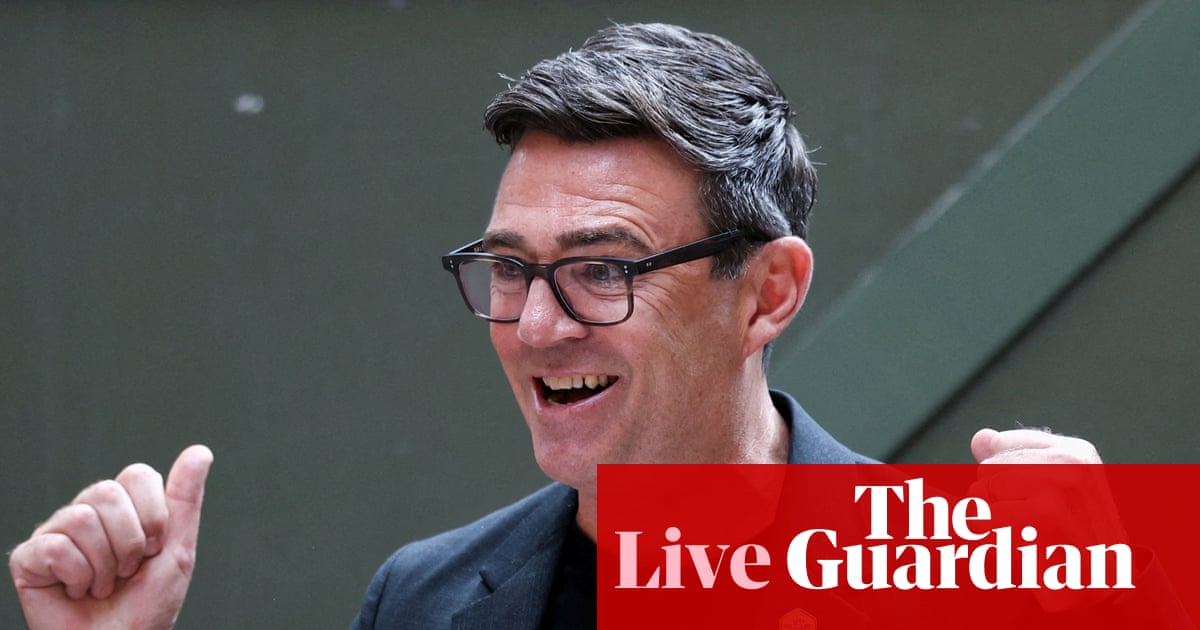
Burnham has been nicknamed the "King of the North" in British media, a reference to his nine-year tenure as mayor of Greater Manchester. During that time, according to NDTV World, he transformed himself from a former government minister into something of a political outsider within his own party, having repeatedly positioned himself against the party's leadership in London. This background in regional politics sets him apart from many of his predecessors in the role of Labour leader.
According to Al Jazeera, Burnham had already secured the backing of almost the entire parliamentary Labour Party by July 13. This broad support means his bid effectively cannot be challenged by fellow MPs. On July 17, a specially convened "special conference" was scheduled at noon to formally announce Burnham as party leader. Following that, according to the Guardian's live coverage, Burnham was expected to deliver his first speech as leader, in which he planned to declare that his government would be "unashamedly Labour" — signalling an intention to distance his approach from that of Starmer's leadership.
A central issue ahead of the handover concerns the makeup of the incoming cabinet. Citing a Financial Times report, Straits Times reported that Burnham intends to appoint current Home Secretary Shabana Mahmood as his Chancellor of the Exchequer. This personnel decision was reported as early as July 15, prior to Burnham's formal confirmation as leader. In a separate piece, the Guardian notes that the broader cabinet-building process involves numerous options and dilemmas, since Burnham will need to assemble his team quickly after entering Downing Street on Monday.
The reported plan to appoint Mahmood has already drawn reaction from political figures outside Labour. Green Party leader Zack Polanski, according to the Guardian, had previously sounded relatively positive about the prospect of a Burnham-led government but has become more cautious following reports about Mahmood's likely appointment. In an interview with Sky News, Polanski said he was concerned that Burnham could end up resembling Starmer "with a different face." At the same time, Polanski said it remained to be seen what Burnham would actually do as prime minister, including on questions such as a potential wealth tax and housebuilding.
Expectations around Burnham's policy direction are also addressed in the reporting. A separate Guardian article examines how "green" Burnham's premiership might turn out to be, noting that he faces difficult climate-related decisions as Britain has already experienced three heatwaves this year. Those heatwaves, the report says, have killed thousands of people in England and Wales, damaged harvests, and caused distress among schoolchildren. Environmental campaigner Chris Venables is quoted as saying Burnham has so far been "very quiet" on the climate crisis, leaving his actual stance on the issue unclear.
The New York Times, in an explanatory piece, lays out the formal steps that must occur before Burnham can officially take office as prime minister, describing a sequence of procedural and party events that need to unfold ahead of Monday's transition. ABC News places the moment in historical context, describing Burnham as poised to become Britain's 59th prime minister, in a transition that follows directly from Starmer's sudden political collapse.
Several questions remain open at this stage, including which concrete policy priorities Burnham will pursue once in office, particularly regarding taxation, housing and climate policy. The final composition of his cabinet beyond the reported appointment of Mahmood has also not been conclusively confirmed. The days following his formal installation are likely to provide further clarity on the direction his government intends to take.
Fast take
Andy Burnham, the former mayor of Greater Manchester, is set to become the new leader of Britain's Labour Party and, in short order, the country's next prime minister.
NOFRAME signal
Stable coverage · 8 Sources · 4 Regions
What remains open
The source picture is relatively consistent. That still makes the details worth reading: small differences in wording, omissions, and source selection can reveal what each region treats as important.
Dossier compass
Which media spaces carry the story and how broad the source base is.
Source mix
Underlit angles
- No notable omissions in the current source comparison.
Open originals
Go straight to the linked articles. NOFRAME does not replace those sources.
Why it matters
The source picture is relatively consistent. That still makes the details worth reading: small differences in wording, omissions, and source selection can reveal what each region treats as important.
Timeline
ABC News · July 17, 2026 at 08:17 AM
Andy Burnham is poised to become Britain's next prime minister
The Guardian · July 17, 2026 at 08:54 AM
Andy Burnham’s difficult first cabinet – a visual guide to the options and dilemmas
The Guardian · July 17, 2026 at 09:44 AM
Burnham to say his government will be ‘unashamedly Labour’ in first speech as party leader – UK politics live
Channel News Asia · July 17, 2026 at 09:59 AM
Andy Burnham to be made UK Labour leader on way to becoming prime minister