The United Kingdom has implemented a significant shift in its sanctions policy toward Russia, now allowing imports of certain Russian oil products under specific conditions. A new trade license that took effect on May 20, 2026, permits the indefinite import of diesel and jet fuel refined from Russian crude oil in third countries.
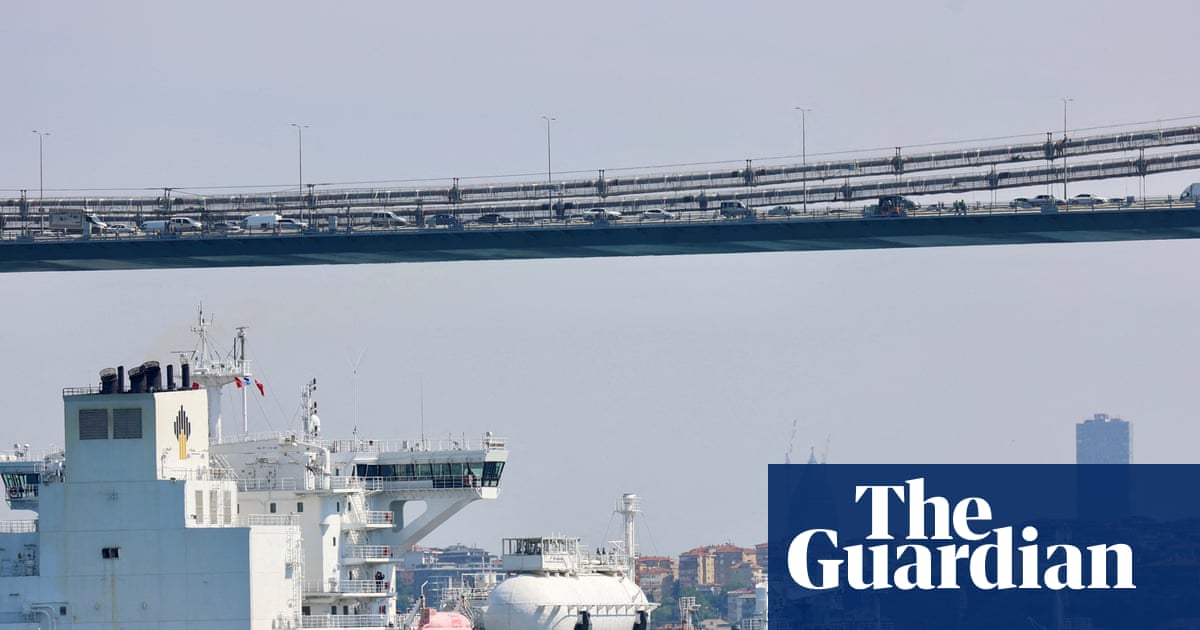
The decision comes amid dramatically rising fuel prices and growing concerns about energy supply security. The de facto blockade of the Strait of Hormuz since the start of recent Middle Eastern tensions has led to shortages of certain fuels, forcing the British government to explore alternative procurement channels.
The new regulations allow British companies to import Russian crude oil that has been processed in countries such as India and Turkey. Additionally, restrictions on liquefied natural gas from certain Russian facilities have been temporarily loosened. A separate license permits the maritime transport of Russian LNG.
The sanctions relief is unlimited in duration but will be subject to periodic review. This represents a substantial departure from the previously strict stance on Russian energy imports that was implemented following the start of the Ukraine conflict.
Criticism of the decision has come particularly from the opposition. Conservative politicians described the measure as "insane" given ongoing geopolitical tensions. They argue that loosening sanctions could indirectly support Russia's military activities.
From the Russian perspective, the decision is viewed as a positive signal. The head of the Russian Direct Investment Fund stated that global energy security is impossible without Russian energy resources. This statement underscores Russia's self-perception as an indispensable energy supplier.
The measure highlights the tension between geopolitical objectives and practical energy needs. While Western countries originally sought to pressure Russia through sanctions, supply shortages and high prices are now forcing pragmatic compromises.
Experts see the decision as a sign that global energy markets have become more complex. Through processing in third countries, Russian oil is effectively "laundered" and can thus re-enter Western markets despite sanctions. This demonstrates the limitations of unilateral sanctions regimes.
The timing of the announcement has also drawn attention, with some sources noting that the licenses were issued "quietly," suggesting sensitivity around the policy change. The indefinite nature of the relief indicates that the UK government expects ongoing supply challenges.
Industry observers point out that this development reflects broader challenges facing European energy security. The combination of geopolitical tensions, supply chain disruptions, and the need to maintain economic stability has created difficult policy choices for governments.
The long-term implications of the decision remain to be seen. While it may provide short-term relief for fuel supply issues, it raises questions about the consistency of Western sanctions policy and could encourage other countries to take similar steps.
Fast take
The United Kingdom has implemented a significant shift in its sanctions policy toward Russia, now allowing imports of certain Russian oil products under specific conditions.
NOFRAME signal
High divergence · 6 Sources · 4 Regions
What remains open
This matters because the event itself is only part of the story. 4 media regions frame it with noticeably different priorities. Details that remain stable across those boundaries are more robust; details that appear in only one region need context.
Dossier compass
Which media spaces carry the story and how broad the source base is.
Source mix
Underlit angles
- Political criticism of the decision
- Geopolitical implications of sanctions relief
- Political reactions and criticism
Open originals
Go straight to the linked articles. NOFRAME does not replace those sources.
Why it matters
This matters because the event itself is only part of the story. 4 media regions frame it with noticeably different priorities. Details that remain stable across those boundaries are more robust; details that appear in only one region need context.
Timeline
The Guardian · May 20, 2026 at 07:52 AM
UK relaxes strict sanctions on Russian crude oil
Straits Times · May 20, 2026 at 08:03 AM
Britain eases sanctions on Russian jet fuel and diesel imports
Moscow Times · May 20, 2026 at 08:44 AM
U.K. Loosens Russian Oil Sanctions Amid Soaring Energy Costs
Al Jazeera · May 20, 2026 at 10:46 AM
UK eases sanctions on Russian oil imports as fuel prices soar