A severe gas explosion at a coal mine in China's northern Shanxi province has killed at least 90 people and left nine others missing, marking the country's deadliest mining disaster in over 16 years. The incident occurred at the Liushenyu coal mine in Changzhi city, sending shockwaves through China's mining industry and prompting immediate government response.
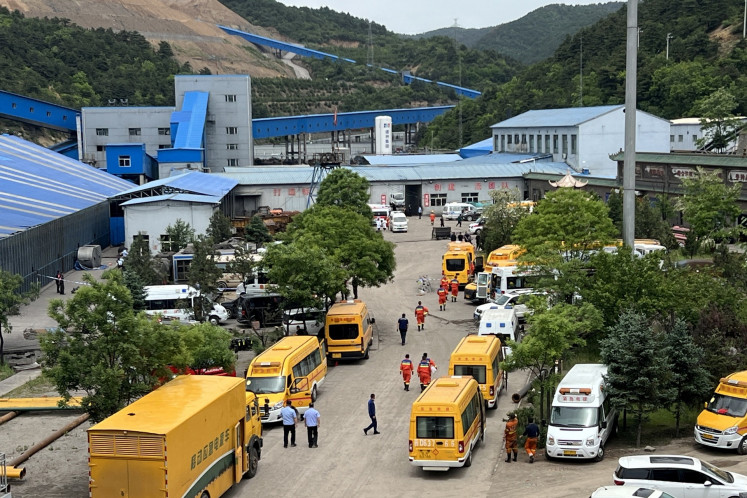
According to state media reports, at least 123 people were hospitalized for treatment following the explosion, with four individuals remaining in critical or severe condition. The cause of the gas explosion has not been fully determined, and authorities have launched a comprehensive investigation into the circumstances surrounding the tragedy.
Chinese President Xi Jinping responded swiftly to the disaster, calling on local authorities to "spare no effort" in treating the injured and conducting search and rescue operations. He also ordered a thorough investigation into the cause of the accident and demanded strict accountability in accordance with the law, signaling the government's commitment to addressing the incident comprehensively.
Shanxi province serves as one of China's most important coal-producing regions and plays a central role in the country's energy supply. The region contains extensive coal reserves and houses numerous mines that contribute significantly to China's overall coal production. The coal industry represents a vital economic sector for the local population, providing employment for thousands of workers across the region.
China's mining industry has historically grappled with safety challenges despite government efforts to improve working conditions and enhance safety standards. Gas explosions rank among the most common and dangerous types of mining accidents, as combustible gases can accumulate in underground mines, creating potentially lethal conditions for workers. The industry has seen various safety initiatives implemented over the years, but incidents continue to occur.
Search and rescue operations continue at the accident site as authorities work to account for all personnel who were present during the incident. Rescue teams are operating under challenging conditions to locate any possible survivors and recover the missing individuals. The exact number of people who were in the mine at the time of the explosion is still being determined as part of the ongoing investigation.
The incident raises renewed questions about safety protocols in China's mining industry. While the government has implemented measures to improve safety standards in recent years, this tragedy demonstrates that additional efforts may be necessary to minimize the risk of such accidents. The investigation into the cause of the explosion will likely provide insights into whether safety protocols were followed and what factors contributed to the disaster.
State broadcaster CCTV has been providing regular updates on the situation, including casualty figures and the progress of rescue efforts. The extensive media coverage reflects the significance of the incident and the government's commitment to transparency in reporting on the tragedy. Officials are expected to provide more detailed information as the investigation progresses.
The economic implications of the accident could extend beyond the immediate human losses. Mining accidents can lead to temporary production shutdowns and impact the local economy. Additionally, heightened safety inspections and measures implemented in response to the incident could increase operational costs across the industry.
This disaster occurs against the backdrop of China's complex relationship with coal energy. While the country has been working to diversify its energy portfolio and reduce reliance on coal, the mineral remains a crucial component of China's energy infrastructure. Safety concerns in coal mining operations continue to present challenges for policymakers balancing energy security with worker safety.
The international community is closely monitoring developments, as China ranks among the world's largest coal producers. Safety issues in China's mining industry can have implications for global energy markets, particularly if they lead to longer-term production disruptions or prompt significant changes in safety regulations that affect operational capacity.
Fast take
A severe gas explosion at a coal mine in China's northern Shanxi province has killed at least 90 people and left nine others missing, marking the country's deadliest mining disaster in over 16 years.
NOFRAME signal
Stable coverage · 6 Sources · 4 Regions
What remains open
The source picture is relatively consistent. That still makes the details worth reading: small differences in wording, omissions, and source selection can reveal what each region treats as important.
Dossier compass
Which media spaces carry the story and how broad the source base is.
Source mix
Underlit angles
- Detailed background on Chinese mining safety
- Political reactions beyond Xi Jinping
- Critical assessment of mining safety
Open originals
Go straight to the linked articles. NOFRAME does not replace those sources.
Why it matters
The source picture is relatively consistent. That still makes the details worth reading: small differences in wording, omissions, and source selection can reveal what each region treats as important.
Timeline
Jakarta Post · May 23, 2026 at 09:34 AM
At least 90 dead in China's worst coal mine disaster in over 16 years
CBS News · May 23, 2026 at 10:15 AM
Coal mine explosion in China kills 90 people, state media say
TASS · May 23, 2026 at 10:32 AM
Death toll in coal mine explosion in China’s Shanxi Province rises to 90
Al Jazeera · May 23, 2026 at 10:59 AM
China coal mine blast kills at least 90, leaves nine missing