The Democratic Republic of Congo announced on Tuesday that the number of confirmed Ebola cases has risen to nearly 600, with 115 deaths recorded. This latest outbreak presents a significant challenge to the country's already strained healthcare system and highlights ongoing public health concerns in the region.
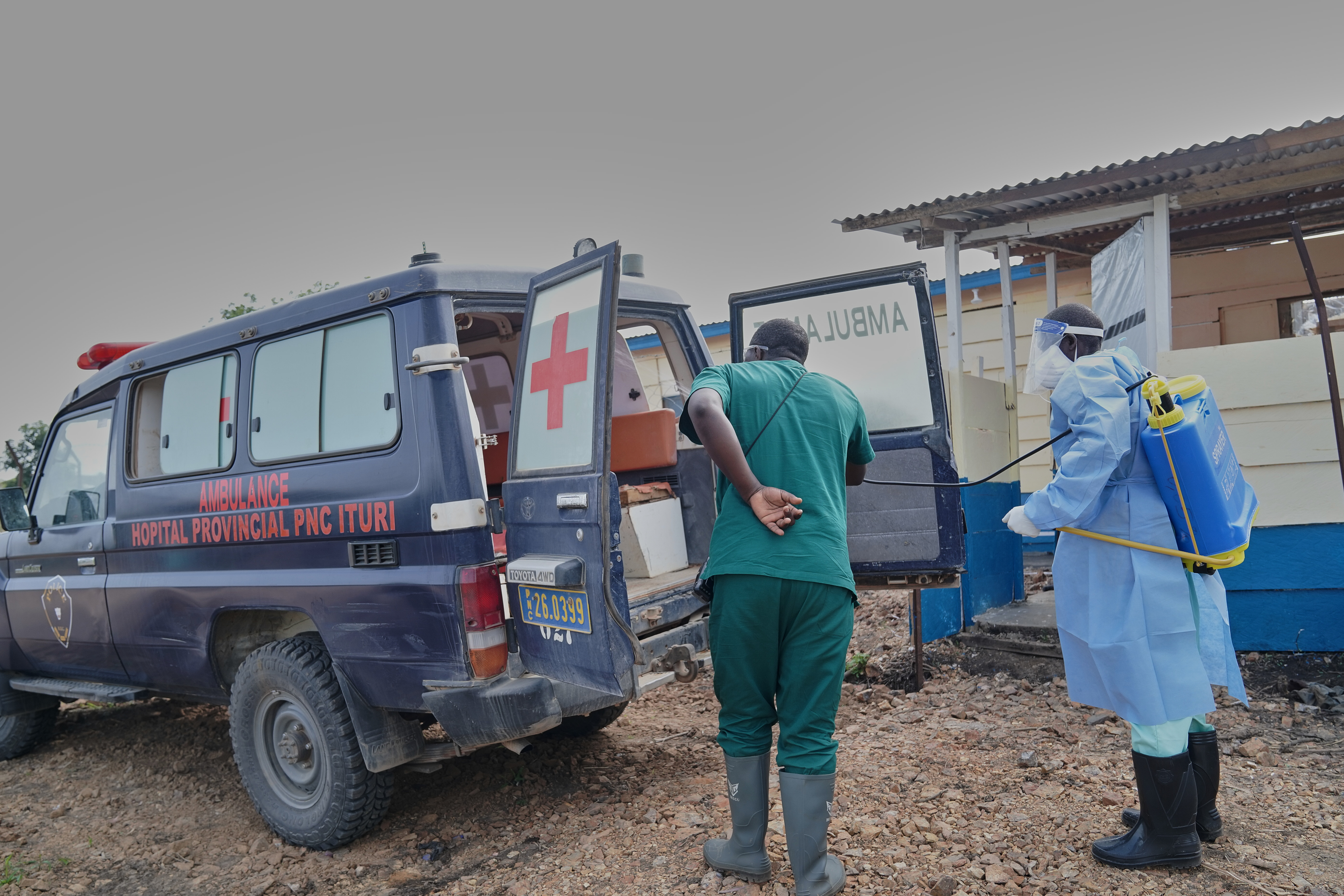
The epicenter of the outbreak is located in Ituri province in eastern Congo, particularly around Mongbwalu in the Djugu Territory. The current outbreak involves the Bundibugyo strain of the Ebola virus, which is among the most dangerous variants of the pathogen. The affected area is characterized by residential settlements and dirt roads, which complicates containment efforts and access for medical teams.
Aid agencies and United Nations organizations have intensified their efforts to contain the outbreak. Aerial surveillance from UN helicopters provides crucial oversight of the affected areas and helps coordinate response efforts. The international community is working closely with Congolese authorities to prevent further spread of the disease and provide necessary medical support.
A major obstacle in combating the outbreak has been mistrust and resistance from local communities toward health teams. Attacks on burial teams and treatment centers have been reported, significantly hampering the work of medical personnel and aid workers. This resistance not only complicates medical care delivery but also endangers the lives of those trying to help contain the outbreak.
Medical personnel are also struggling with a severe shortage of basic equipment. The lack of adequate protective gear, medical devices, and other essential materials hinders effective patient treatment and protection of healthcare workers. This resource scarcity is a recurring problem in the region and reflects broader infrastructure challenges.
Congolese health authorities are working to raise awareness among the local population about the importance of safety measures and cooperation with medical teams. Education campaigns aim to inform people about transmission routes and encourage collaboration with health workers. Building community trust is essential for the success of containment efforts.
The current outbreak occurs in a region already affected by conflict and political instability. Eastern provinces of the Democratic Republic of Congo have been plagued by armed groups and ethnic tensions for years, further complicating healthcare delivery. These factors contribute to the complexity of the current health crisis and make response efforts more challenging.
The Bundibugyo strain involved in this outbreak is particularly concerning due to its high mortality rate and rapid transmission potential. Previous outbreaks of this strain have demonstrated the need for swift and comprehensive response measures to prevent widespread transmission. The strain was first identified in Uganda and has since caused several outbreaks in the region.
Experts warn that without rapid and coordinated response efforts, case numbers could continue to rise significantly. Experience from previous Ebola outbreaks in the region demonstrates that early intervention is crucial for preventing further spread. The international support and coordination remain of utmost importance for managing this health crisis and protecting both local populations and healthcare workers.
Fast take
The Democratic Republic of Congo announced on Tuesday that the number of confirmed Ebola cases has risen to nearly 600, with 115 deaths recorded.
NOFRAME signal
Medium divergence · 4 Sources · 3 Regions
What remains open
Coverage is not fully split, but it is not identical either. That makes the comparison useful: the fact base shows the common core, while the perspectives show where political, regional, or institutional priorities change the emphasis.
Dossier compass
Which media spaces carry the story and how broad the source base is.
Source mix
Underlit angles
- Details about population resistance
- Equipment shortages for medical personnel
- Role of international aid organizations
Open originals
Go straight to the linked articles. NOFRAME does not replace those sources.
Why it matters
Coverage is not fully split, but it is not identical either. That makes the comparison useful: the fact base shows the common core, while the perspectives show where political, regional, or institutional priorities change the emphasis.
Timeline
Straits Times · June 9, 2026 at 10:12 PM
Congo says number of confirmed Ebola cases rises to nearly 600
Japan Times · June 10, 2026 at 12:35 AM
Congo says number of confirmed Ebola cases rises to nearly 600
Geo News · June 10, 2026 at 01:59 AM
Congo says number of confirmed Ebola cases rises to nearly 600
Daily Maverick · June 10, 2026 at 04:38 AM
Congo says number of confirmed Ebola cases rises to nearly 600