Cuba is facing a severe energy crisis after completely depleting its reserves of fuel oil and diesel, Energy Minister Vicente de La O Levy confirmed on Wednesday. The minister stated that Cuba has 'absolutely no fuel and absolutely no diesel' remaining, marking a critical point in the Caribbean island's ongoing energy struggles.
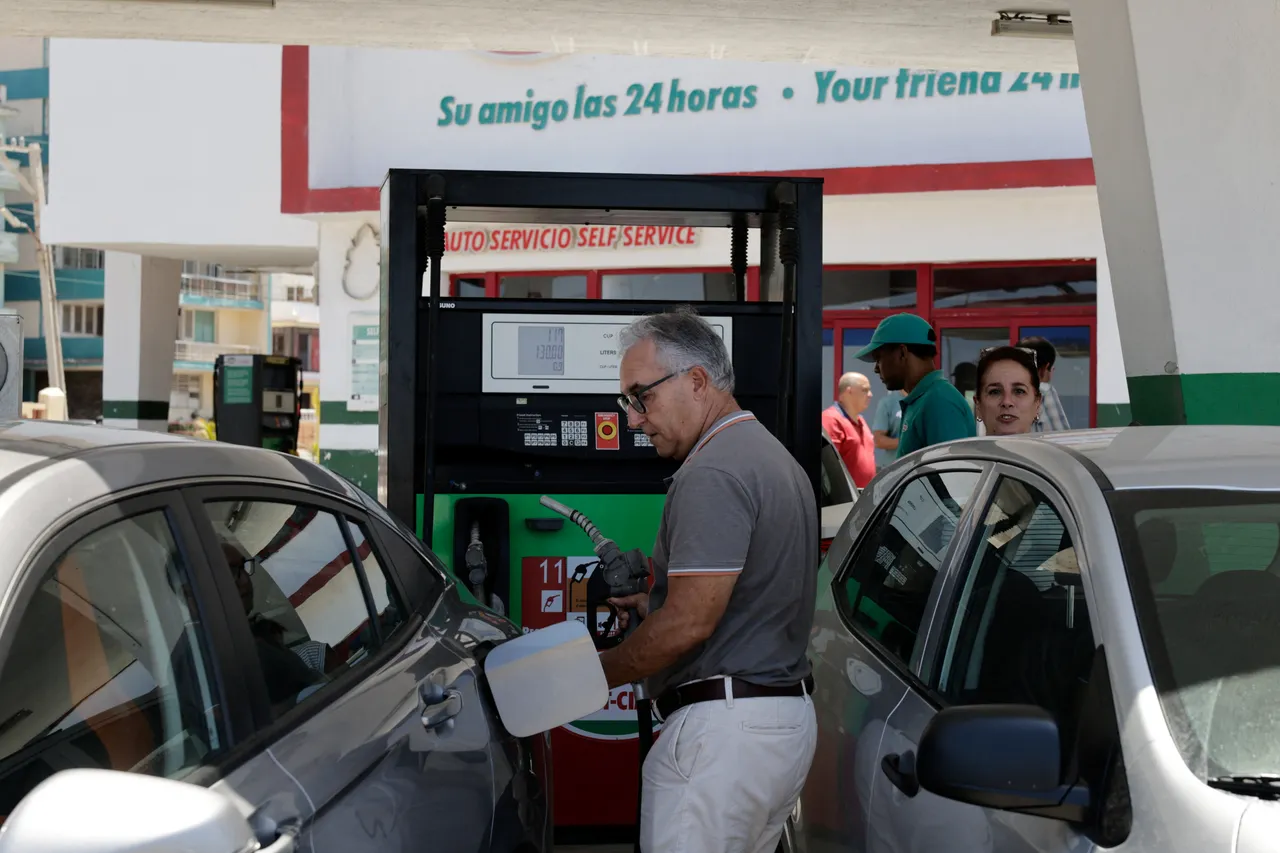
The fuel shortage has coincided with the worst rolling blackouts Havana has experienced in decades. Power outages have increased dramatically over the past week, severely disrupting daily life for Cuban citizens and posing significant challenges to the country's already struggling economy. The blackouts affect essential services including hospitals, schools, and businesses across the capital and other parts of the island.
Cuban President Miguel Díaz-Canel has directly blamed the United States for exacerbating the energy crisis. He characterized US policy as a 'genocidal energy blockade' that has worsened the electricity shortages plaguing the island. This rhetoric reflects the deep-seated tensions between Cuba and the United States, which has maintained a comprehensive economic embargo against the socialist nation for over six decades.
The US sanctions regime has significantly restricted Cuba's access to international energy markets and financial systems. These restrictions limit the country's ability to purchase fuel from traditional suppliers and complicate payment mechanisms for energy imports. The blockade has created substantial barriers to Cuba's efforts to secure reliable energy supplies, contributing to the current crisis.
In response to the urgent situation, Energy Minister de La O Levy emphasized that Cuba is open to purchasing fuel from any willing sellers. This statement underscores the government's desperation to find alternative sources of energy supplies and highlights the country's willingness to work with various international partners to address the crisis.
Cuba has made significant investments in renewable energy infrastructure over the past two years, installing 1,300 megawatts of solar power capacity. This initiative represents a substantial effort to diversify the country's energy portfolio and reduce dependence on imported fossil fuels. The solar installations are part of a broader strategy to achieve greater energy independence and sustainability.
However, much of this new renewable capacity is being undermined by grid instability caused by the ongoing fuel shortages. The unreliable power grid struggles to effectively integrate and distribute the solar-generated electricity, limiting the benefits of these investments. This situation illustrates the complex challenges involved in transitioning to renewable energy while simultaneously dealing with acute shortages of conventional fuels.
The energy crisis has far-reaching implications for Cuban society and economy. Essential services are being disrupted, with hospitals forced to rely on backup generators and schools experiencing interrupted operations. The manufacturing sector faces particular challenges as factories cannot maintain consistent production schedules due to unreliable power supply.
The agricultural sector, crucial for food security, is also being affected by the power outages. Irrigation systems, food processing facilities, and cold storage units require reliable electricity to function effectively. The energy shortages threaten to compound existing food security challenges that Cuba has been facing in recent years.
International observers are closely monitoring the situation in Cuba. Some countries and international organizations have called for easing sanctions to allow humanitarian assistance, while others maintain that political reforms should precede any normalization of relations. The energy crisis has reignited debates about the effectiveness and humanitarian impact of long-term economic sanctions.
For the Cuban government, this energy crisis represents one of the most serious challenges in recent years. The situation requires both immediate solutions to address acute supply shortages and long-term strategies to strengthen the country's energy security. The government's ability to navigate this crisis will likely have significant implications for political stability and economic recovery in the coming months.
Fast take
Cuba is facing a severe energy crisis after completely depleting its reserves of fuel oil and diesel, Energy Minister Vicente de La O Levy confirmed on Wednesday.
NOFRAME signal
Stable coverage · 6 Sources · 3 Regions
What remains open
The source picture is relatively consistent. That still makes the details worth reading: small differences in wording, omissions, and source selection can reveal what each region treats as important.
Dossier compass
Which media spaces carry the story and how broad the source base is.
Source mix
Underlit angles
- Detailed analysis of Cuban economic policies
- Alternative explanations for the energy crisis
- Cuba's solar energy investments
Open originals
Go straight to the linked articles. NOFRAME does not replace those sources.
Why it matters
The source picture is relatively consistent. That still makes the details worth reading: small differences in wording, omissions, and source selection can reveal what each region treats as important.
Timeline
Anadolu EN · May 14, 2026 at 01:25 AM
Cuba is out of fuel oil and diesel, energy minister says amid US oil blockade
TRT World · May 14, 2026 at 03:02 AM
Cuba runs out of fuel and diesel, country's energy minister says
NDTV World · May 14, 2026 at 03:42 AM
Cuba Has "No Fuel, No Diesel" Amid Hormuz Blockade: Energy Minister
Daily Maverick · May 14, 2026 at 04:51 AM
Cuba has run out of diesel and fuel oil amid US oil blockade