Lebanon's health ministry has announced that the death toll from Israeli strikes on Lebanon has surpassed the 3,000 mark. According to official figures, 3,020 people have now been killed, including 292 women and 211 children. This grim milestone represents a significant moment in the ongoing conflict between Israel and the Lebanese militant group Hezbollah.
The high casualty count comes despite a nominal ceasefire between Israel and Hezbollah that was extended for 45 days with US backing. The ceasefire extension took effect at midnight, yet it has failed to completely halt military operations. Both sides continue their military activities, highlighting the fragility of peace efforts in the region.
The conflict between Israel and Hezbollah, which is designated as a terrorist organization by several countries, has been ongoing since March. What began as limited border skirmishes has evolved into a full-scale military confrontation that has exacted a heavy toll on civilian populations. Hezbollah operates both as a political party and an armed militia in Lebanon, controlling large portions of southern Lebanon and maintaining a substantial rocket arsenal.
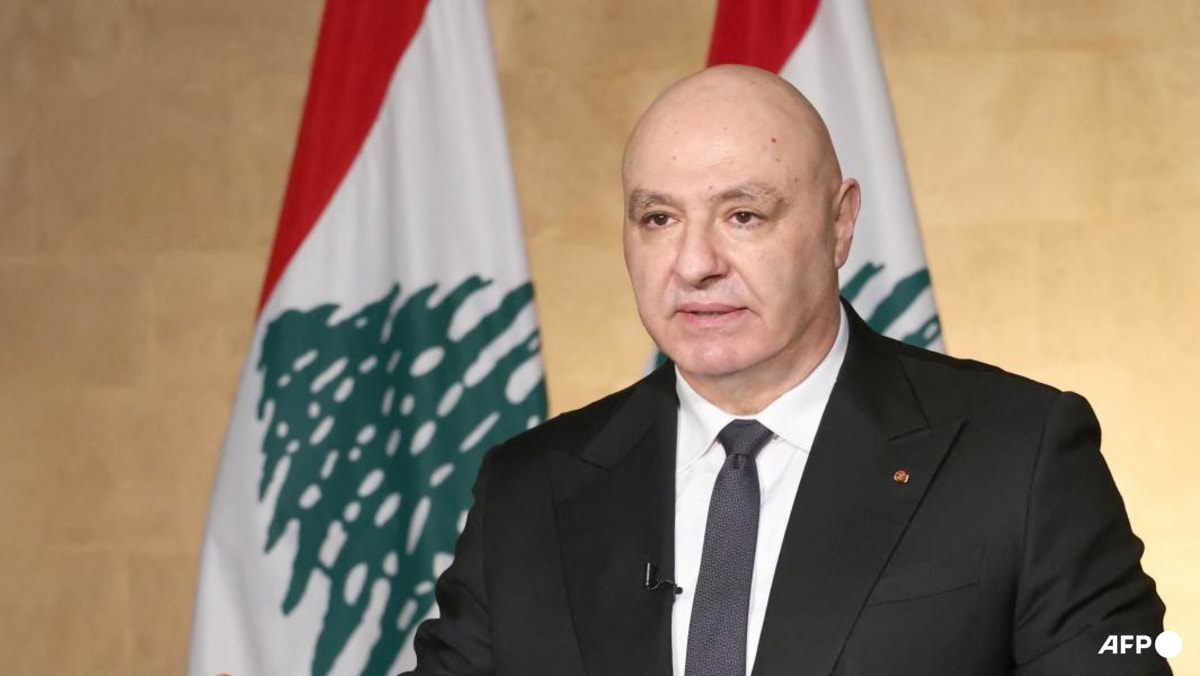
Lebanese President Joseph Aoun addressed the escalating situation, stating he would do the 'impossible' to stop the war with Israel. His comments underscore the urgency of the situation and the pressure on the Lebanese government to find a resolution to the conflict. Lebanon is already grappling with a severe economic and political crisis, which has been further exacerbated by the ongoing military confrontation.
Despite the truce extension, fighting has continued on both sides. Hezbollah reported launching an explosive drone at an Iron Dome air defense position in the Galilee area of northern Israel. Simultaneously, Israeli forces carried out a series of strikes in southern Lebanon. These continued military actions demonstrate that both parties either interpret the ceasefire differently or are willing to violate its terms.
The international community, particularly the United States, has been working to de-escalate the conflict. The US government supported the ceasefire extension and has been pushing for direct talks between the conflicting parties. However, previous mediation attempts and direct negotiations between the countries have failed to produce a lasting solution.
The high number of civilian casualties, particularly among women and children, raises serious concerns about the protection of non-combatants. International human rights organizations have repeatedly called for the protection of civilians and urged both sides to respect international humanitarian law. The situation in southern Lebanon remains extremely dangerous for the local population.
The conflict also has broader regional implications, contributing to instability across the Middle East. Other regional actors are closely monitoring developments, as further escalation could potentially trigger a wider regional conflict. The involvement of various proxy groups and the complex web of alliances in the region add layers of complexity to any potential resolution.
Diplomatic efforts continue, but the path to a sustainable peace remains unclear. The failure of the current ceasefire to stop the violence raises questions about the effectiveness of current mediation strategies. International observers note that without addressing the underlying political and territorial disputes, temporary ceasefires may prove insufficient to end the cycle of violence.
The humanitarian situation continues to deteriorate, with thousands of civilians displaced and essential infrastructure damaged. The international community faces mounting pressure to provide humanitarian assistance while working toward a political solution that addresses the root causes of the conflict.
Fast take
Lebanon's health ministry has announced that the death toll from Israeli strikes on Lebanon has surpassed the 3,000 mark.
NOFRAME signal
Stable coverage · 5 Sources · 3 Regions
What remains open
The source picture is relatively consistent. That still makes the details worth reading: small differences in wording, omissions, and source selection can reveal what each region treats as important.
Dossier compass
Which media spaces carry the story and how broad the source base is.
Source mix
Underlit angles
- Details of Hezbollah attacks on Israel
- Background of conflict since March
- Specific details about civilian casualties
Open originals
Go straight to the linked articles. NOFRAME does not replace those sources.
Why it matters
The source picture is relatively consistent. That still makes the details worth reading: small differences in wording, omissions, and source selection can reveal what each region treats as important.
Timeline
Straits Times · May 18, 2026 at 04:03 PM
Israel, Hezbollah war persists despite truce extension; Lebanon’s death toll passes 3,000
BBC World · May 18, 2026 at 04:16 PM
Death toll from Israeli strikes on Lebanon passes 3,000, officials say
TRT World · May 18, 2026 at 05:07 PM
Lebanon death toll tops 3,000 as Israeli attacks continue despite truce
PBS NewsHour · May 18, 2026 at 05:55 PM
Lebanon death toll tops 3,000 in latest fighting between Israel and Hezbollah