A devastating 7.8-magnitude earthquake has struck the southern Philippines, leaving a trail of destruction and claiming at least 46 lives. The powerful tremor, which occurred on June 8, 2026, off the coast of Mindanao island, represents one of the most significant seismic events to hit the region in recent years. As rescue operations continue, the death toll continues to climb while emergency workers race against time to find survivors trapped beneath collapsed structures.
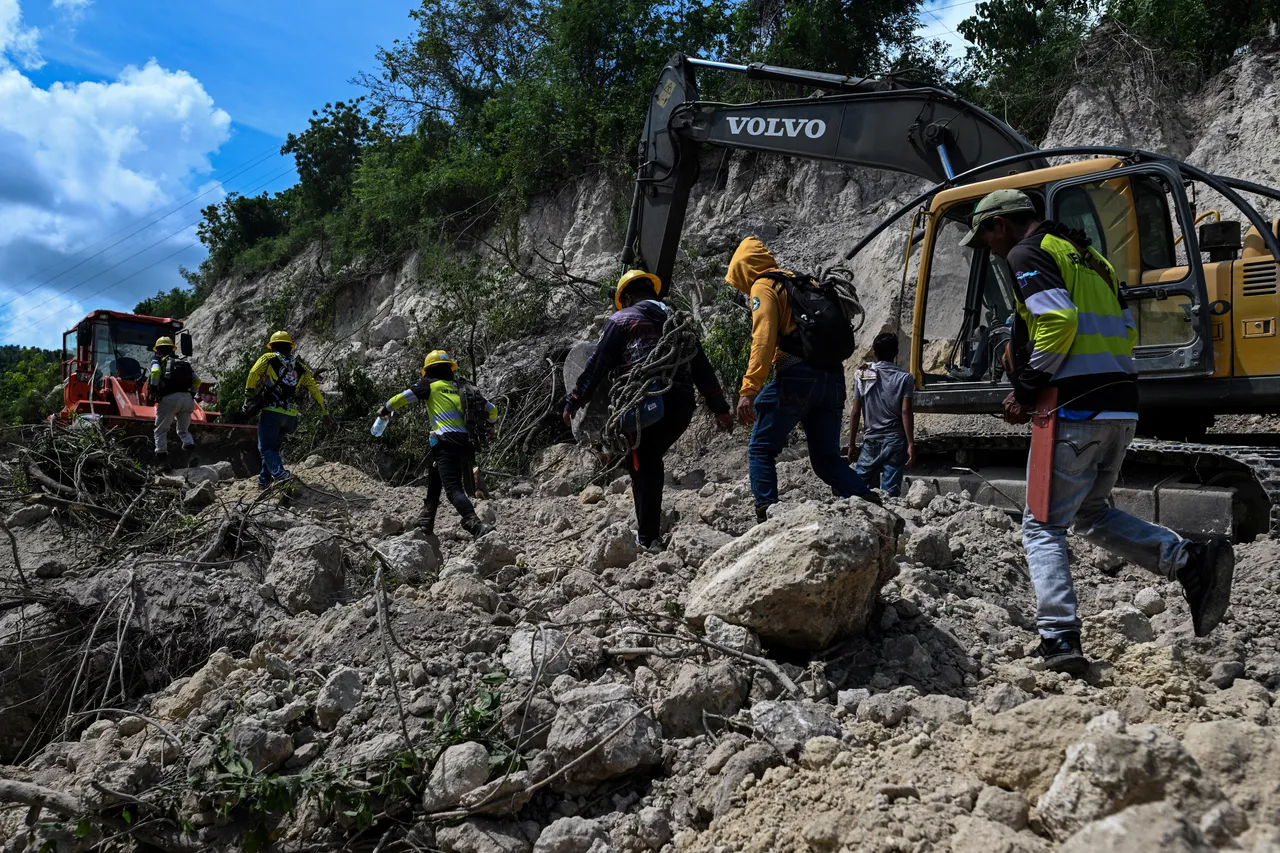
The earthquake's impact has been catastrophic across the affected region. More than 600 people have been injured, and 17 individuals remain missing as search and rescue teams work tirelessly to locate them. Among the most tragic incidents was the collapse of a supermarket, from which rescue workers recovered another body on Wednesday. The ongoing recovery efforts at this site highlight the dangerous conditions facing emergency responders, who must balance urgency with safety as aftershocks continue to threaten the stability of damaged buildings.
Sarangani province has borne the brunt of the earthquake's fury. The remote and mountainous terrain has complicated rescue efforts, with some areas now accessible only by helicopter due to landslides and damaged infrastructure. Roads have been severed, bridges have collapsed, and communication networks have been disrupted, making it difficult to assess the full extent of the damage and coordinate relief efforts effectively.
The healthcare system in the affected areas is under severe strain. Hospitals have been forced to evacuate patients and set up outdoor treatment facilities due to structural damage to medical buildings. Healthcare workers are treating the injured under makeshift tents and in open spaces, working around the clock to provide care despite limited resources and challenging conditions. The large number of casualties has overwhelmed local medical capacity, prompting calls for additional medical personnel and supplies.
In the immediate aftermath of the earthquake, tsunami warnings were issued across the southern island region, adding to the terror experienced by residents already traumatized by the violent shaking. Thousands of people fled coastal areas for higher ground, fearing the arrival of potentially devastating waves. While major tsunami damage was ultimately avoided, the warnings contributed to the chaos and displacement in the hours following the initial quake.
The Philippines sits along the Pacific Ring of Fire, a geologically active zone known for frequent earthquakes and volcanic eruptions. This location makes the archipelago nation particularly vulnerable to seismic activity, as multiple tectonic plates converge in the region. The country experiences thousands of earthquakes annually, though most are minor and cause little damage. However, major quakes like this one serve as stark reminders of the constant geological threats facing the nation's 110 million inhabitants.
Government response has been swift, with President's office coordinating the deployment of rescue teams and emergency supplies to the affected areas. The Philippine National Disaster Risk Reduction and Management Council has activated its emergency protocols, while the military has been mobilized to assist with search and rescue operations. International aid organizations have also offered assistance, with emergency supplies and specialized rescue equipment being rushed to the disaster zone.
The economic impact of the earthquake is expected to be substantial, particularly for the agricultural communities in the affected region. Mindanao is a major producer of agricultural products for both domestic consumption and export. Damage to farms, processing facilities, and transportation infrastructure could disrupt food supplies and affect livelihoods for months to come. The tourism industry in the region, already recovering from previous natural disasters, faces another significant setback.
Experts warn that the casualty count may continue to rise as rescue teams reach more remote areas and assess previously inaccessible locations. The challenging terrain and ongoing aftershocks are hampering efforts to conduct comprehensive damage assessments. Many rural communities remain cut off from communication, leaving authorities uncertain about conditions in these areas. The full scope of the disaster may not be known for several more days as rescue operations continue and access to isolated areas is gradually restored.
Fast take
A devastating 7.
NOFRAME signal
Stable coverage · 9 Sources · 4 Regions
What remains open
The source picture is relatively consistent. That still makes the details worth reading: small differences in wording, omissions, and source selection can reveal what each region treats as important.
Dossier compass
Which media spaces carry the story and how broad the source base is.
Source mix
Underlit angles
- Detailed information about affected provinces
- Long-term regional impact
- Tsunami warnings and their impact
Open originals
Go straight to the linked articles. NOFRAME does not replace those sources.
Why it matters
The source picture is relatively consistent. That still makes the details worth reading: small differences in wording, omissions, and source selection can reveal what each region treats as important.
Timeline
Jakarta Post · June 10, 2026 at 05:53 AM
Death toll from Philippines quake rises to 46
TASS · June 10, 2026 at 06:06 AM
DR Congo Ebola death toll rises to 115 — authorities
The Hindu · June 10, 2026 at 06:20 AM
Death toll from Philippines earthquake rises to 46
TRT World · June 10, 2026 at 07:21 AM
Philippines earthquake death toll climbs to 46 as recovery efforts continue