A drone attack on the Barakah Nuclear Power Plant in the United Arab Emirates on Sunday, May 17, caused a fire at an electrical generator located outside the facility's inner security perimeter. UAE authorities confirmed that no injuries occurred and no radiological safety concerns arose from the incident. The attack comes at a particularly tense moment during the ongoing Iran war ceasefire and raises new questions about regional stability in the Gulf.
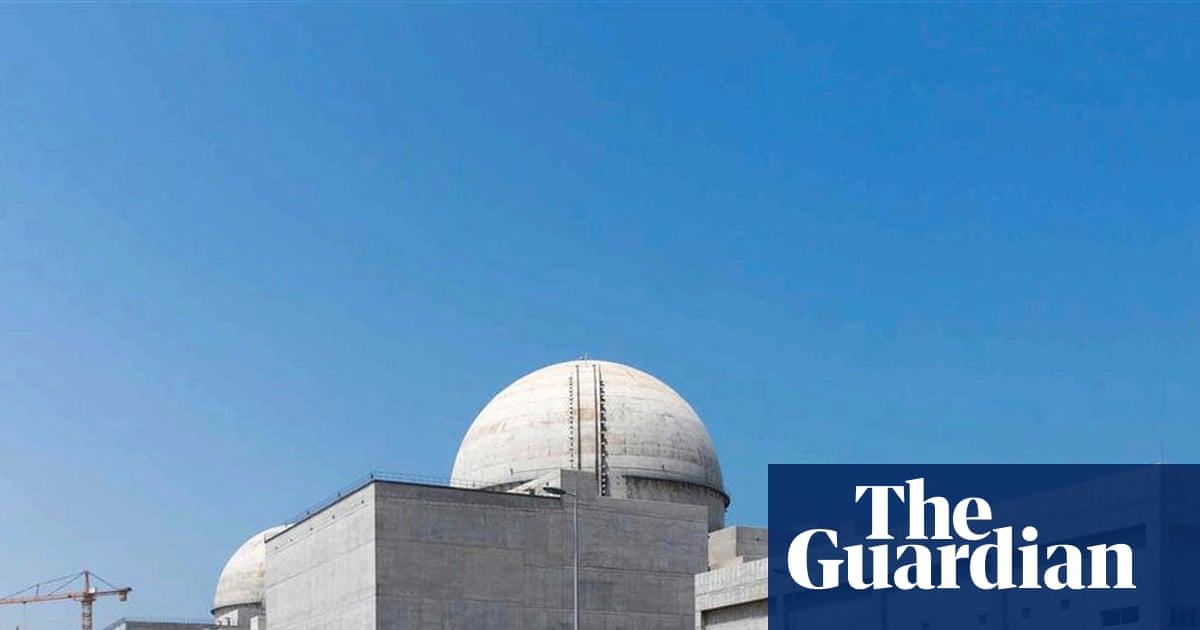
The Barakah Nuclear Power Plant, located in the al-Dhafra region of Abu Dhabi, is the UAE's sole nuclear facility and represents a cornerstone of the country's energy diversification strategy. According to the UAE government media office, the fire broke out at an electrical generator positioned outside the nuclear plant's inner security perimeter. Officials repeatedly emphasized that radiation levels remained unaffected and posed no threat to public safety. The UAE Ministry of Defense immediately launched an investigation into the incident to determine its origins and circumstances.
The response from Emirati leadership was swift and unequivocal. The UAE Foreign Ministry condemned the attack as a "dangerous escalation" and an "unacceptable act of aggression" that poses a direct threat to national security. In official statements, authorities characterized the incident as an "unprovoked terrorist attack" and declared that "no threat to security and sovereignty will be tolerated, regardless of the circumstances." However, the UAE initially refrained from directly assigning responsibility for the attack to any specific actor or group.
Saudi Arabia quickly expressed solidarity with the United Arab Emirates following the attack. The Saudi Ministry of Foreign Affairs condemned the drone strike and described the UAE as a "brother" country in an official statement. The Saudi government characterized the attack as a "threat to the security and stability of the region" and expressed its "solidarity" with the Emirates. Riyadh declared its support for "all measures taken to preserve the sovereignty, security and territorial integrity" of the UAE, signaling potential backing for any retaliatory actions.
The timing of the attack carries particular significance as it occurred during a critical phase of the Iran war. Peace talks have reportedly stalled, and the ceasefire, now in its sixth week, appears increasingly precarious. US President Donald Trump recently stated that Iran must act "fast," indicating growing American impatience with the deadlock in negotiations. This diplomatic pressure adds another layer of complexity to an already volatile situation in the region.
While no group initially claimed responsibility for the attack, the UAE has previously accused Iran of launching drone and missile attacks as regional tensions have escalated. The strategic Strait of Hormuz, a vital energy waterway controlled by Iran and subject to a US naval blockade, has become a particular flashpoint. Reports differ on whether the UAE has made explicit accusations against Iran or its proxies regarding this specific incident, with some sources suggesting direct blame while others indicate more cautious official statements.
The targeting of nuclear infrastructure, even outside the critical safety zones, highlights the vulnerability of civilian facilities in regional conflicts. The Barakah Nuclear Power Plant represents a significant investment in the UAE's future energy security and technological advancement. An attack on such a facility is viewed internationally as particularly serious due to the potential for catastrophic consequences, even when, as in this case, the strike occurred outside the most sensitive areas.
UAE authorities have reserved the right to respond to the attack, according to the country's top diplomat as reported by the WAM news agency. This language suggests that the Emirates may be considering military or other retaliatory measures, though the specific nature and targets of any response remain unclear. The diplomatic phrasing indicates careful consideration of options while maintaining pressure on potential perpetrators.
The incident raises broader questions about the security of critical infrastructure throughout the region and could further jeopardize the already fragile Iran war ceasefire. Military analysts note that attacks on civilian infrastructure, particularly nuclear facilities, represent a significant escalation that could prompt stronger international involvement. The targeting of energy infrastructure also carries implications for global energy markets, which remain sensitive to Middle Eastern stability.
Regional allies have begun expressing concern about the implications of the attack for broader Gulf security. The incident demonstrates how quickly localized conflicts can threaten vital infrastructure and potentially spiral into larger confrontations. The UAE's measured but firm response suggests an attempt to balance deterrence with avoiding immediate escalation that could derail peace efforts.
International observers are closely monitoring developments, as any resumption of hostilities could have far-reaching consequences for global energy security and regional stability. The attack on the Barakah facility serves as a stark reminder of how critical infrastructure remains vulnerable in an era of drone warfare and proxy conflicts. The coming days will likely prove crucial in determining whether this incident leads to further escalation or can be contained within existing diplomatic frameworks.
The broader implications extend beyond the immediate security concerns to questions about the protection of civilian nuclear facilities in conflict zones and the evolving nature of warfare in the region. As investigations continue, the international community watches carefully for signs of whether this attack represents an isolated incident or part of a broader pattern of escalation that could undermine ongoing peace efforts.
Fast take
A drone attack on the Barakah Nuclear Power Plant in the United Arab Emirates on Sunday, May 17, caused a fire at an electrical generator located outside the facility's inner security perimeter.
NOFRAME signal
Medium divergence · 8 Sources · 4 Regions
What remains open
Coverage is not fully split, but it is not identical either. That makes the comparison useful: the fact base shows the common core, while the perspectives show where political, regional, or institutional priorities change the emphasis.
Dossier compass
Which media spaces carry the story and how broad the source base is.
Source mix
Underlit angles
- Direct blame attribution to Iran
- Detailed context about Iran war
- Emotional condemnations
Open originals
Go straight to the linked articles. NOFRAME does not replace those sources.
Why it matters
Coverage is not fully split, but it is not identical either. That makes the comparison useful: the fact base shows the common core, while the perspectives show where political, regional, or institutional priorities change the emphasis.
Timeline
PBS NewsHour · May 17, 2026 at 06:40 PM
Drone attack starts fire at UAE nuclear power plant
Middle East Eye · May 17, 2026 at 06:48 PM
Saudi Arabia condemns UAE drone strike, backs security measures
The Guardian · May 17, 2026 at 07:33 PM
UAE blames Iran or its proxies for drone strike fire near nuclear plant
Daily Maverick · May 17, 2026 at 09:40 PM
UAE reports drone strike at nuclear power plant as Iran war deadlock persists