The World Health Organization has acknowledged that the current Ebola outbreak in the Democratic Republic of Congo had a significant head start before international health authorities could respond effectively. WHO Director-General Tedros Adhanom Ghebreyesus stated after visiting the outbreak's epicenter that the virus had a 'big head start' but that response efforts were now catching up.
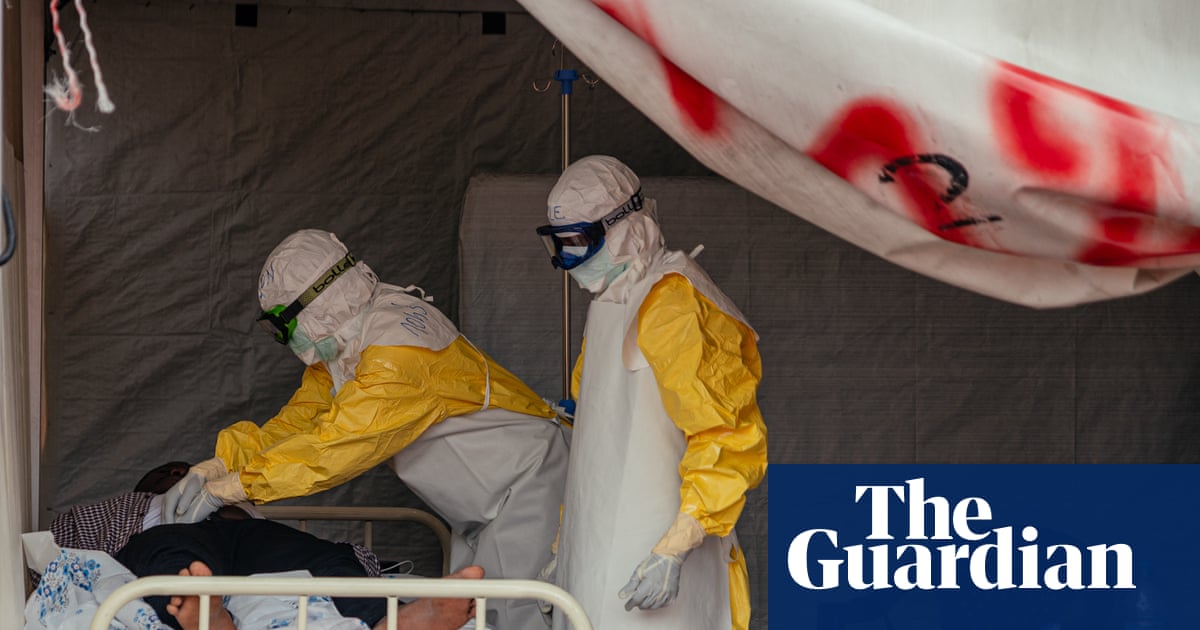
The outbreak was officially declared on May 15 in the northeastern Ituri province of the Democratic Republic of Congo. However, according to WHO assessments, the epidemic may have begun as early as January, giving the virus several months to spread undetected through the population. This delayed detection presents a substantial challenge for containment efforts.
Official figures currently show 359 confirmed infections, with 61 deaths recorded. Health experts warn, however, that actual numbers could be significantly higher, as the virus likely circulated under the radar of health authorities for months. The affected region is difficult to access and has limited health infrastructure, complicating surveillance and case reporting.
Particularly concerning is that this outbreak is caused by the Bundibugyo strain of the Ebola virus, for which no approved vaccine or specific treatment is currently available. This distinguishes it from previous outbreaks where proven medical countermeasures could be deployed. Despite this limitation, international medical organizations such as the Alliance for International Medical Action have established treatment centers in the region to provide patient care.
Tedros met with the Congolese president to discuss coordination of international assistance efforts. The WHO is working closely with local authorities to strengthen the response and contain the virus's spread. However, they face several structural challenges in their efforts.
A major obstacle is widespread community mistrust toward health authorities and international organizations. This mistrust, partly rooted in historical experiences and cultural factors, significantly hampers contact tracing and other preventive measures. Additionally, blanket travel restrictions have hindered coordination of international assistance.
Despite these obstacles, the WHO reports improvements in testing capabilities in the affected region. The ability to quickly identify and confirm suspected cases is crucial for containing the spread. International teams are working to strengthen local laboratory infrastructure and provide training for medical personnel.
The geographical location of the outbreak in the border region with Uganda and other neighboring countries has raised concerns about potential cross-border transmission. Health authorities in the region have enhanced their surveillance measures and activated emergency plans to prepare for possible spread.
This outbreak represents another health crisis for the Democratic Republic of Congo, which has experienced multiple Ebola epidemics in recent years. Experiences from previous outbreaks are informing the current response, even though the specific characteristics of the Bundibugyo strain present new challenges. The international community is closely monitoring developments and stands ready to intensify assistance efforts if needed.
The WHO emphasizes that while the virus had a significant head start, improved detection capabilities and coordinated international response efforts are beginning to make progress. However, the unique challenges posed by the Bundibugyo strain and the complex operational environment in eastern DRC require sustained attention and resources from the global health community.
Fast take
The World Health Organization has acknowledged that the current Ebola outbreak in the Democratic Republic of Congo had a significant head start before international health authorities could respond effectively.
NOFRAME signal
Stable coverage · 7 Sources · 3 Regions
What remains open
The source picture is relatively consistent. That still makes the details worth reading: small differences in wording, omissions, and source selection can reveal what each region treats as important.
Dossier compass
Which media spaces carry the story and how broad the source base is.
Source mix
Underlit angles
- Detailed analysis of structural problems
- Critical assessment of delayed response
- Specific challenges of Bundibugyo strain
Open originals
Go straight to the linked articles. NOFRAME does not replace those sources.
Why it matters
The source picture is relatively consistent. That still makes the details worth reading: small differences in wording, omissions, and source selection can reveal what each region treats as important.
Timeline
ABC News · June 3, 2026 at 05:08 PM
'We’re still behind' in Congo's Ebola outbreak even as testing improves, WHO says
The Guardian · June 3, 2026 at 05:29 PM
DRC Ebola outbreak could have begun as early as January, WHO chief says
Geo News · June 3, 2026 at 06:31 PM
Ebola had 'big head-start' but response catching up: WHO
Dawn · June 3, 2026 at 06:43 PM
Ebola had 'big head-start' but response catching up: WHO