The US Navy has officially confirmed that eight suicide attempts occurred among crew members during the extended deployment of the USS Abraham Lincoln carrier strike group. The confirmation comes from a letter written by Acting Navy Secretary Hung Cao to Democratic Senator Kirsten Gillibrand, first reported by CNN. Those affected were not limited to sailors aboard the Lincoln itself but also included personnel from the carrier air wing, the destroyer squadron, and other units assigned to the strike group. The disclosure is significant because it provides, for the first time, officially documented figures on an issue that has drawn public concern for months: the psychological toll of an unusually long and intense combat deployment.
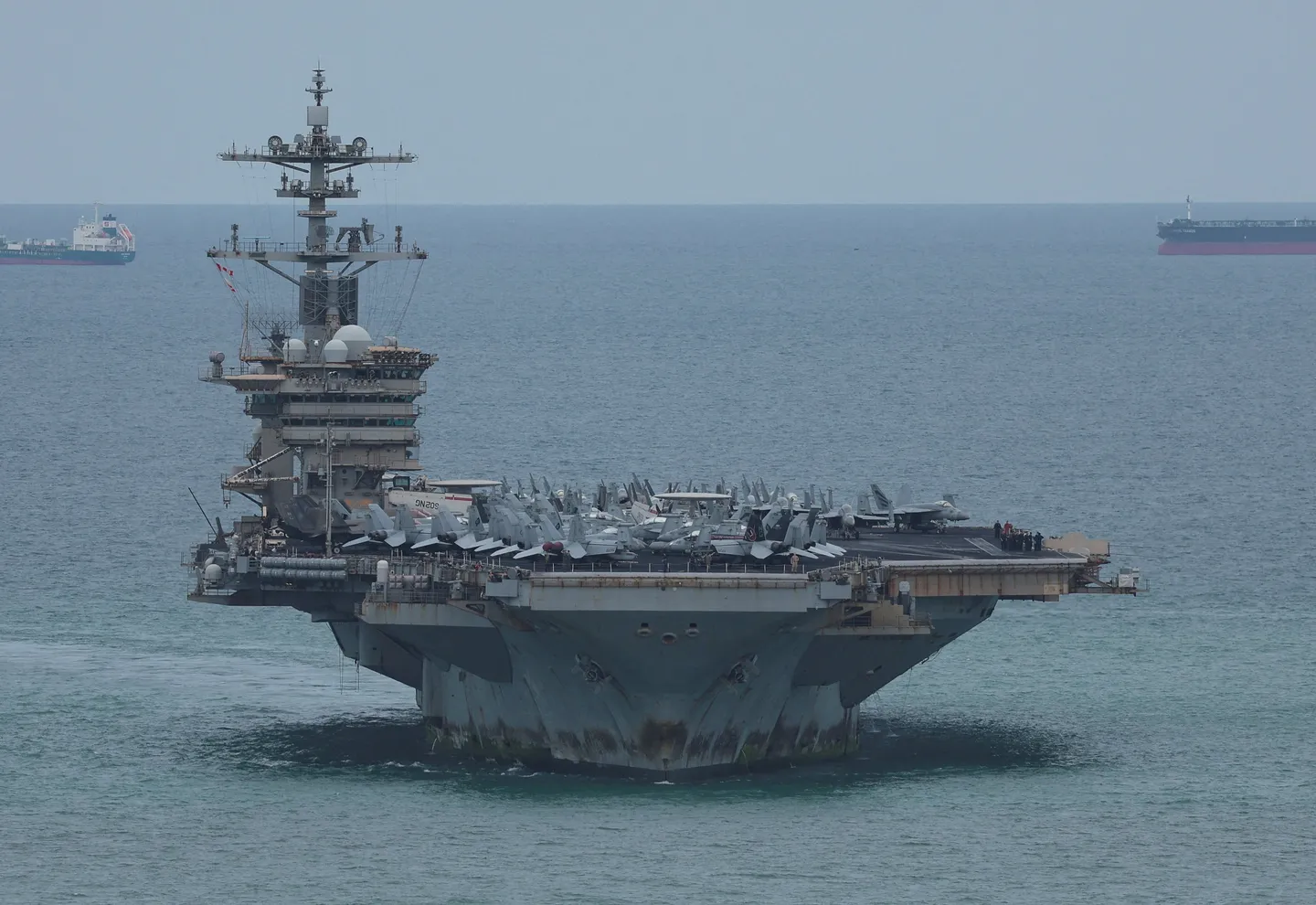
The carrier strike group was deployed as part of military operations in the Middle East that included actions against Iran. According to multiple reports, the strike group spent more than 250 consecutive days at sea without a single port visit, a length of time described as a record for the modern US Navy. Reports indicate the deployment began as early as last November, meaning the mission lasted roughly ten months before the Lincoln finally docked for a rest stop at Laem Chabang Port in Thailand in September.
Even before the official confirmation of the suicide attempts, American media had reported on deteriorating living conditions aboard the carrier and concerns about the mental health of its crew. These reports fueled public and political criticism of President Donald Trump's Iran policy, particularly regarding the length and intensity of the deployment. Trump himself addressed these concerns in August, publicly dismissing them at a time when no specific figures on suicide attempts had yet been made public.
The newly released letter from the acting Navy secretary now provides concrete numbers. According to Cao, there have been a total of eight suicide attempts across the strike group since the beginning of the Lincoln's deployment. The letter explicitly states that none of these attempts were fatal, meaning all affected crew members survived. The letter was addressed to Senator Gillibrand, who has previously advocated for improved mental health support for military personnel and had apparently requested specific information about conditions aboard the Lincoln.
Coverage of the incident varies depending on which outlets are reporting it. Some sources focus primarily on the extraordinary length of the deployment and the fact that the figures have now been officially confirmed by the Navy, while others place greater emphasis on the connection between the suicide attempts, difficult living conditions, and broader criticism of the administration's Iran policy. Still other reports frame the incident in the context of questions about the legality of military operations against Iran, though this remains a contested characterization not conclusively resolved in the available sources.
What remains unclear is which specific structural or organizational factors contributed to the eight suicide attempts. The Navy has not yet released detailed information about individual cases, the ranks of those involved, or the precise circumstances surrounding each incident. It is also unclear what measures, if any, the Navy took during the deployment to support crew mental health, or whether such measures were only introduced in response to mounting public criticism.
The disclosure is likely to prompt further political and congressional scrutiny. Senator Gillibrand and other lawmakers may press the Navy for additional information, particularly regarding personnel planning, deployment length, and psychological support available aboard aircraft carriers during extended combat missions. At the same time, the broader debate over the appropriateness and duration of US military operations in the Middle East is likely to gain new momentum, given that the incidents coincide directly with the period of Iran-related operations conducted by the Lincoln strike group.
Overall, the case illustrates how military deployment planning, the psychological wellbeing of service members, and foreign policy decisions are closely intertwined. The newly confirmed figures are likely to serve as a starting point for further investigation, even as many details about the individual incidents and their underlying causes remain unresolved.
Fast take
The US Navy has officially confirmed that eight suicide attempts occurred among crew members during the extended deployment of the USS Abraham Lincoln carrier strike group.
NOFRAME signal
Stable coverage · 8 Sources · 5 Regions
What remains open
The source picture is relatively consistent. That still makes the details worth reading: small differences in wording, omissions, and source selection can reveal what each region treats as important.
Dossier compass
Which media spaces carry the story and how broad the source base is.
Source mix
Underlit angles
- Detailed political framing of the Iran strategy is partly missing
- Extensive background on Iran operations is missing
- Nuanced coverage of US domestic politics and congressional reaction is missing
Open originals
Go straight to the linked articles. NOFRAME does not replace those sources.
Why it matters
The source picture is relatively consistent. That still makes the details worth reading: small differences in wording, omissions, and source selection can reveal what each region treats as important.
Timeline
NDTV World · September 24, 2026 at 04:51 AM
8 Suicide Bids At Lincoln Aircraft Carrier During Iran Deployment: Team Trump
Sputnik · September 24, 2026 at 06:34 AM
US Sailors Attempt Suicide Amid Illegal Strikes on Iran — Reports
TRT World · September 24, 2026 at 07:41 AM
There were eight suicide attempts on US aircraft carrier: Trump admin
Geo News · September 24, 2026 at 08:31 AM
Trump admin says there were eight suicide attempts on US aircraft carrier