A new Ebola outbreak in the Democratic Republic of Congo has claimed the lives of at least 65 to 80 people and put health authorities across the region on high alert. According to the Congolese Ministry of Health, 246 suspected cases have been registered in Ituri province, with confirmed death tolls varying between 65 and 80 depending on the source.
The outbreak involves a rare strain of the Ebola virus, a highly contagious and often fatal disease transmitted through direct contact with bodily fluids of infected individuals. The virus causes hemorrhagic fever and can lead to death within days if left untreated. Mortality rates for Ebola infections can range from 25 to 90 percent, depending on the virus strain and available medical care.
Particularly concerning is the fact that the disease has already spread beyond the borders of the DR Congo. Uganda has confirmed at least one Ebola death, heightening fears about regional spread. Ugandan health authorities have implemented increased surveillance measures at the border with DR Congo and are working closely with international health organizations.
Ituri province, where the current outbreak originated, is located in northeastern DR Congo along the border with Uganda. The region has been affected by Ebola outbreaks in the past and struggles with weak health systems and limited resources for disease control. The remote location and partially unstable security situation further complicate containment efforts.
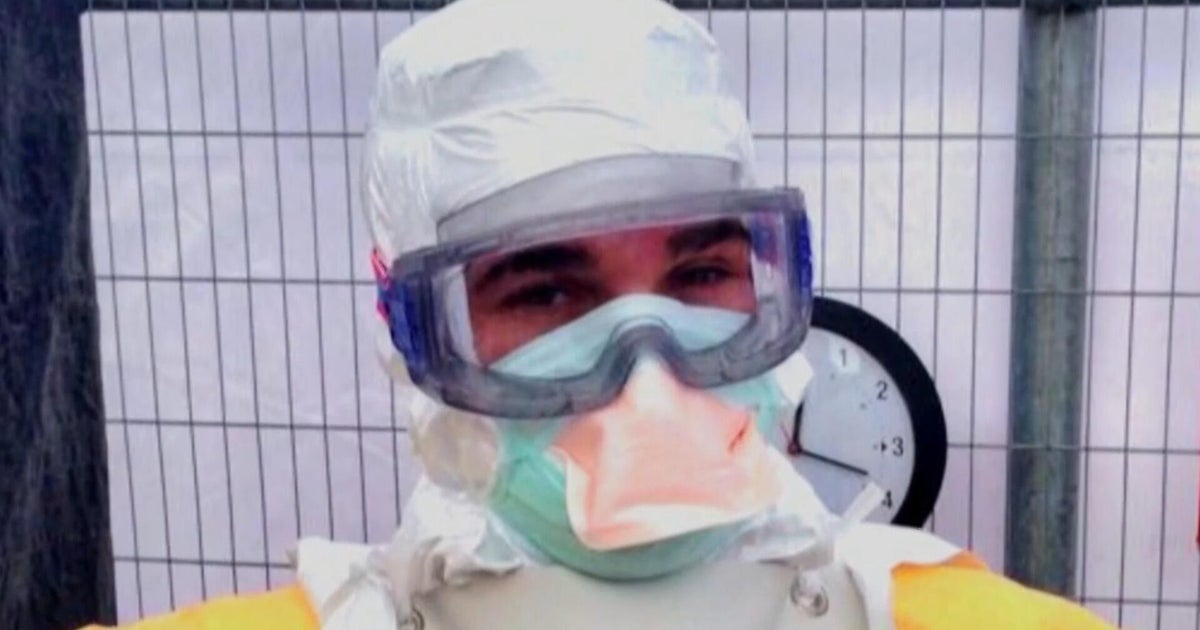
Healthcare workers stand at the forefront of combating the outbreak and face elevated infection risks. Dr. Craig Spencer, a New York physician who contracted and survived Ebola more than a decade ago, expressed concern for healthcare workers currently treating the outbreak. His experience highlights the dangers faced by medical personnel when treating Ebola patients.
The international health community is monitoring developments with great attention. Previous Ebola outbreaks in West Africa between 2014 and 2016 claimed more than 11,000 lives and demonstrated the virus's potential for rapid and widespread transmission. The DR Congo has also experienced several Ebola outbreaks in recent years that required international assistance and extensive containment measures.
The World Health Organization and other international organizations stand ready to assist in combating the current outbreak. Key measures include identifying and isolating suspected cases, contact tracing, providing appropriate medical care, and educating communities about prevention measures.
The exact circumstances of the outbreak's beginning and identification of the index case are still under investigation. Ebola outbreaks typically arise through contact between humans and infected wildlife, particularly bats, which serve as natural reservoirs for the virus. Subsequently, the virus can spread from person to person, especially in communities with limited access to healthcare and hygiene measures.
The current situation underscores the ongoing threat posed by Ebola in Central and East Africa and the need for robust health systems to rapidly detect and contain outbreaks. The international community is working to support affected countries in their efforts to control the spread and prevent further cross-border transmissions.
Health officials are particularly concerned about the strain's characteristics and its potential for rapid transmission in densely populated areas. The outbreak has prompted emergency meetings among regional health ministers and international health organizations to coordinate response efforts. Vaccination campaigns and the deployment of experimental treatments are being considered as part of the comprehensive response strategy.
The economic and social impact of the outbreak extends beyond immediate health concerns, as communities in affected areas face restrictions on movement and trade. Previous outbreaks have shown how Ebola can disrupt local economies and social structures, making comprehensive support for affected communities essential for successful containment efforts.
Fast take
A new Ebola outbreak in the Democratic Republic of Congo has claimed the lives of at least 65 to 80 people and put health authorities across the region on high alert.
NOFRAME signal
Medium divergence · 4 Sources · 3 Regions
What remains open
Coverage is not fully split, but it is not identical either. That makes the comparison useful: the fact base shows the common core, while the perspectives show where political, regional, or institutional priorities change the emphasis.
Dossier compass
Which media spaces carry the story and how broad the source base is.
Source mix
Underlit angles
- Cross-border spread to Uganda
- Healthcare worker concerns
- International perspectives
Open originals
Go straight to the linked articles. NOFRAME does not replace those sources.
Why it matters
Coverage is not fully split, but it is not identical either. That makes the comparison useful: the fact base shows the common core, while the perspectives show where political, regional, or institutional priorities change the emphasis.
Timeline
Al Jazeera · May 16, 2026 at 04:58 AM
Outbreak of rare strain of Ebola claims at least 65 lives in DR Congo
Nation Africa · May 16, 2026 at 05:23 AM
Uganda confirms Ebola death as Congo outbreak intensifies
Nation Africa · May 16, 2026 at 05:24 AM
Congo confirms new Ebola outbreak, 80 deaths
Africa News · May 16, 2026 at 06:54 AM
Fear as health officials raise alarm over new Ebola outbreak in DR Congo