French NATO fighter jets shot down a drone over Latvian airspace on Monday in what military officials described as the first such interception by NATO forces in the Baltic region. The unmanned aerial vehicle had entered the airspace of the NATO member state from Russian territory before being destroyed by French Rafale fighter aircraft operating under the alliance's Baltic Air Policing mission.
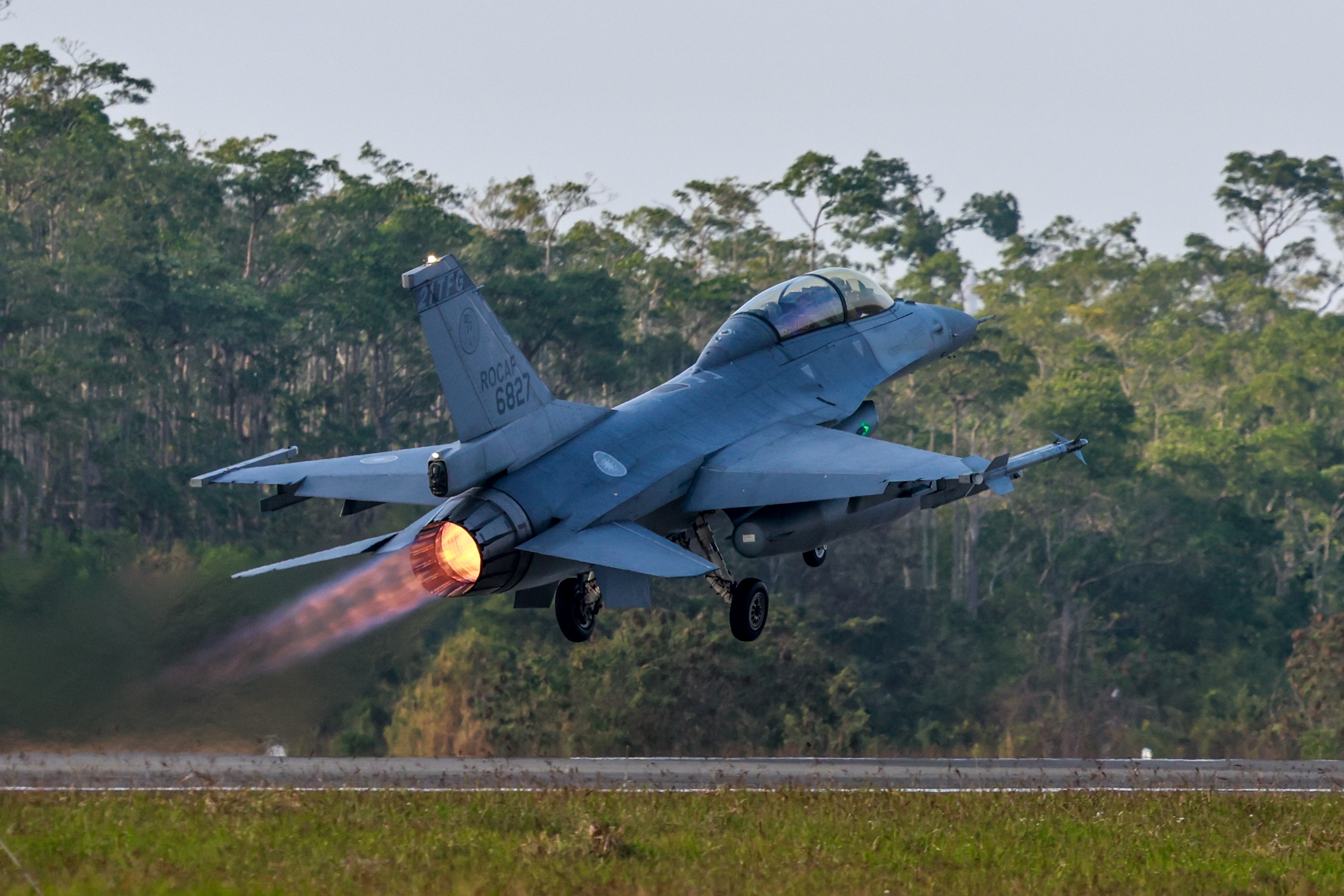
According to Latvia's military, the drone was diverted from its original path by Russian electronic warfare systems before crossing into NATO territory. This explanation suggests the airspace violation may have been unintentional, resulting from electronic interference rather than a deliberate incursion. However, NATO forces responded according to established protocols for airspace violations, treating the drone as a potential security threat requiring immediate action.
The incident represents the latest in a series of security concerns along Europe's eastern border since Russia's invasion of Ukraine began over four years ago. Drone incursions into countries neighboring both Ukraine and Russia have increasingly raised fears about the potential spread of the conflict beyond its current boundaries. Latvia, which shares approximately 270 kilometers of border with Russia, finds itself particularly exposed to such cross-border incidents.
The NATO Baltic Air Policing mission has operated continuously since 2004, providing air defense coverage for Estonia, Latvia, and Lithuania. These three Baltic states do not possess their own fighter aircraft capabilities and therefore rely on NATO allies to protect their airspace. The mission operates on a rotational basis, with different NATO member countries deploying their air forces to the region for periods of several months. France currently holds this responsibility with its Rafale fighter jets.
French Rafale aircraft are stationed at Ämari Air Base in Estonia and Šiauliai Air Base in Lithuania, from where they conduct round-the-clock surveillance of Baltic airspace. The mission has historically focused on intercepting Russian military aircraft that approach or violate NATO airspace, but Monday's incident marked the first documented shootdown of a drone by the Baltic Air Policing forces. This development highlights the evolving nature of security challenges in the region.
Russian electronic warfare capabilities have become a well-documented concern throughout the Baltic region and beyond. These systems can jam or manipulate GPS signals, potentially causing navigation failures in drones and other unmanned aircraft. Security experts have long warned about the risks posed by such interference, which can affect both military and civilian aviation. The specific nature of the electronic warfare system that allegedly diverted the drone was not detailed by Latvian authorities.
Several key questions remain unanswered about Monday's incident. Latvian military officials have not disclosed the type, size, or potential armament of the downed drone, nor have they identified its original operator. The exact location of the shootdown and any recovered debris have also not been made public. Such information could provide crucial insights into the drone's origin, purpose, and the circumstances that led to its presence in Latvian airspace.
The incident underscores the ongoing security challenges facing the Baltic region and the critical importance of NATO's presence along the alliance's eastern frontier. Since the beginning of the Ukraine war, NATO countries have significantly enhanced their surveillance and defense measures in Eastern Europe. The three Baltic states, all former Soviet republics that gained independence after the Cold War, are considered particularly vulnerable to Russian activities due to their geographic location and historical ties.
Electronic warfare has emerged as a significant component of modern military operations, with Russia deploying sophisticated jamming and spoofing capabilities across multiple theaters. The technology can disrupt communications, navigation systems, and remote-controlled devices over considerable distances. Military analysts note that such systems are often deployed defensively to protect high-value targets, but their effects can extend well beyond intended boundaries, potentially affecting civilian infrastructure and neutral parties.
The broader implications of this first-of-its-kind interception by NATO forces in the Baltic region remain to be seen. The incident demonstrates both the alliance's readiness to defend member state airspace and the complex challenges posed by modern warfare technologies. As unmanned systems become increasingly prevalent in military operations, NATO forces may face more frequent decisions about when and how to respond to drone incursions.
Reactions to the drone shootdown will likely be closely monitored in both NATO capitals and Moscow. While the alliance will view the incident as a necessary protective measure for member state territory, Russia may characterize the shootdown as an escalatory action. The episode illustrates the potential for increased tensions along the NATO-Russia border and the ongoing challenges of managing an increasingly complex airspace environment in a region where military activities continue to intensify.
Fast take
French NATO fighter jets shot down a drone over Latvian airspace on Monday in what military officials described as the first such interception by NATO forces in the Baltic region.
NOFRAME signal
Medium divergence · 8 Sources · 5 Regions
What remains open
Coverage is not fully split, but it is not identical either. That makes the comparison useful: the fact base shows the common core, while the perspectives show where political, regional, or institutional priorities change the emphasis.
Dossier compass
Which media spaces carry the story and how broad the source base is.
Source mix
Underlit angles
- Role of Russian electronic warfare
- Broader context of Ukraine conflict
- Security implications for the region
Open originals
Go straight to the linked articles. NOFRAME does not replace those sources.
Why it matters
Coverage is not fully split, but it is not identical either. That makes the comparison useful: the fact base shows the common core, while the perspectives show where political, regional, or institutional priorities change the emphasis.
Timeline
Daily Sabah · June 8, 2026 at 10:31 AM
French-NATO jet shoots down stray drone over Latvian airspace
CBS News · June 8, 2026 at 11:11 AM
Latvia says drone shot down as "result of Russian electronic warfare"
Globe and Mail · June 8, 2026 at 11:35 AM
NATO jet shoots down Russian drone that entered Latvian airspace
Daily Maverick · June 8, 2026 at 12:14 PM
French jet on NATO mission shoots down drone in Latvian airspace, army says