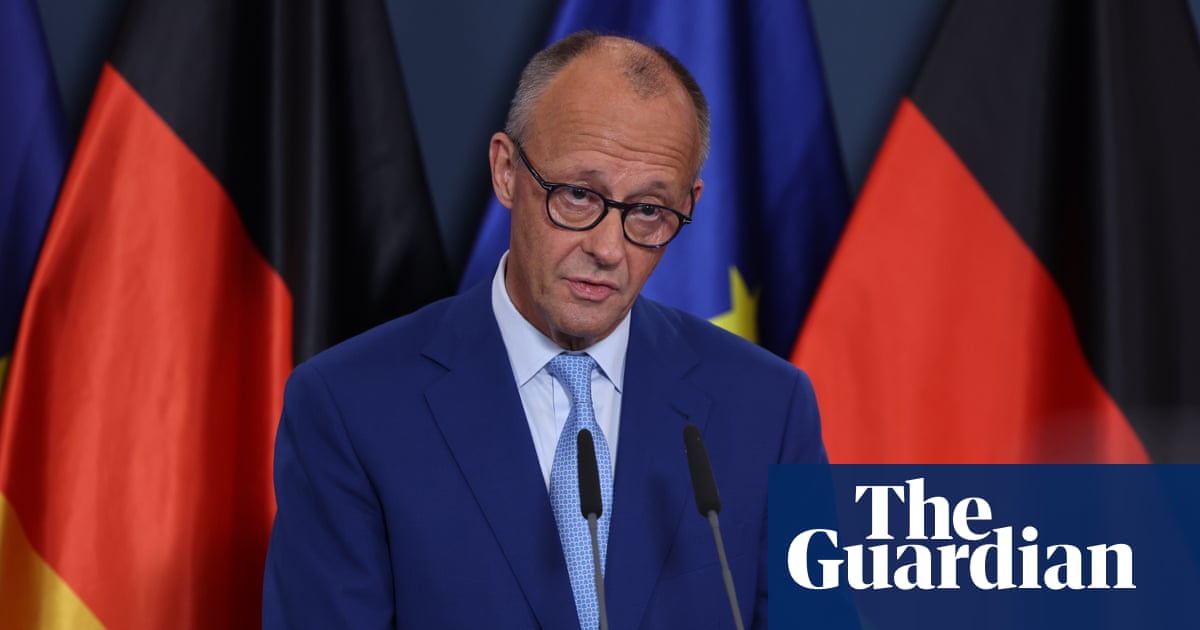
German Chancellor Friedrich Merz described the results of two state elections on Sunday as a 'disaster' for his party, while simultaneously vowing to remain in office and press ahead with his economic reform agenda. The elections in Berlin and Mecklenburg-Western Pomerania had been widely regarded beforehand as a key test of confidence in the chancellor and his center-right Christian Democratic Union (CDU).
According to exit polls released by public broadcasters, the CDU in Mecklenburg-Western Pomerania came in at just over the five percent threshold required to enter the state parliament. This marks the weakest result the party has ever recorded in any German state since the founding of the Federal Republic in 1949. The far-right Alternative for Germany (AfD) party made substantial gains in the northeastern state and, according to projections, finished in first place.
In Berlin, a different picture emerged. There, the left-wing Die Linke party won with roughly 24.5 percent of the vote, putting it ahead of both the CDU and the AfD. The dual setback in two elections with very different political dynamics — one benefiting the far right, the other the far left — has been interpreted by observers as a sign of widespread dissatisfaction with the current federal government.
Merz openly acknowledged his party's poor performance. He publicly called the results a 'disaster' but stressed that he had no intention of stepping down. Instead, he announced he would continue pursuing his economic reform program with determination, even though parts of it remain unpopular among segments of the population.
Even before the vote, it had become apparent that the results could prove painful for the governing coalition. Merz had already scheduled a crisis meeting in anticipation of a difficult outcome and canceled his planned attendance at the UN General Assembly in New York in order to focus on the domestic political fallout instead.
International coverage of the elections was extensive. Numerous news outlets and agencies from different parts of the world — spanning North America, Europe, Asia and the Middle East — reported consistently on the CDU's historic losses and the gains made by the AfD and Die Linke. Much of the coverage centered on the question of how stable Merz's position remains following this setback.
Analysts and political commentators have since debated whether the election outcome could increase pressure on Merz to resign prematurely. So far, however, the chancellor has given no indication of stepping down, instead emphasizing his determination to continue the reforms already underway.
What remains unclear is what concrete political and personnel consequences the federal government will draw from the election results. It is also not yet settled how the new balance of power in the two state parliaments will affect future government formation in Berlin and Mecklenburg-Western Pomerania. Observers expect the results to remain the subject of intense debate in the coming weeks and to influence the broader national discussion about the direction of the Merz government.
Fast take
German Chancellor Friedrich Merz described the results of two state elections on Sunday as a 'disaster' for his party, while simultaneously vowing to remain in office and press ahead with his economic reform agenda.
NOFRAME signal
Stable coverage · 11 Sources · 5 Regions
What remains open
The source picture is relatively consistent. That still makes the details worth reading: small differences in wording, omissions, and source selection can reveal what each region treats as important.
Dossier compass
Which media spaces carry the story and how broad the source base is.
Source mix
Underlit angles
- Details on Merz's planned economic reforms
- Context on the pre-election crisis meeting
- Extended quotes from Merz about his reform plans
Open originals
Go straight to the linked articles. NOFRAME does not replace those sources.
Why it matters
The source picture is relatively consistent. That still makes the details worth reading: small differences in wording, omissions, and source selection can reveal what each region treats as important.
Timeline
TRT World · September 20, 2026 at 08:25 PM
Germany's Merz vows to stay despite lagging in key state elections
CBS News · September 20, 2026 at 08:26 PM
Germany's Merz remains defiant after historic state elections defeat
The Guardian · September 20, 2026 at 08:33 PM
Friedrich Merz vows to stay in office after CDU ‘disaster’ in German state elections
BBC World · September 20, 2026 at 09:21 PM
German Chancellor Merz calls state election a 'disaster' for his party but vows to stay on