Heavy rain and the flooding it triggered have killed at least 62 people in northern India, according to officials. The hardest-hit area is the northern state of Uttar Pradesh, one of India's most densely populated regions. Days of relentless rainfall have caused rivers to overflow, destroyed homes, and forced thousands of residents to flee their communities. The disaster ranks among the most severe monsoon-related events of this year's rainy season in the region, underscoring once again how vulnerable densely populated areas of South Asia remain to extreme weather.
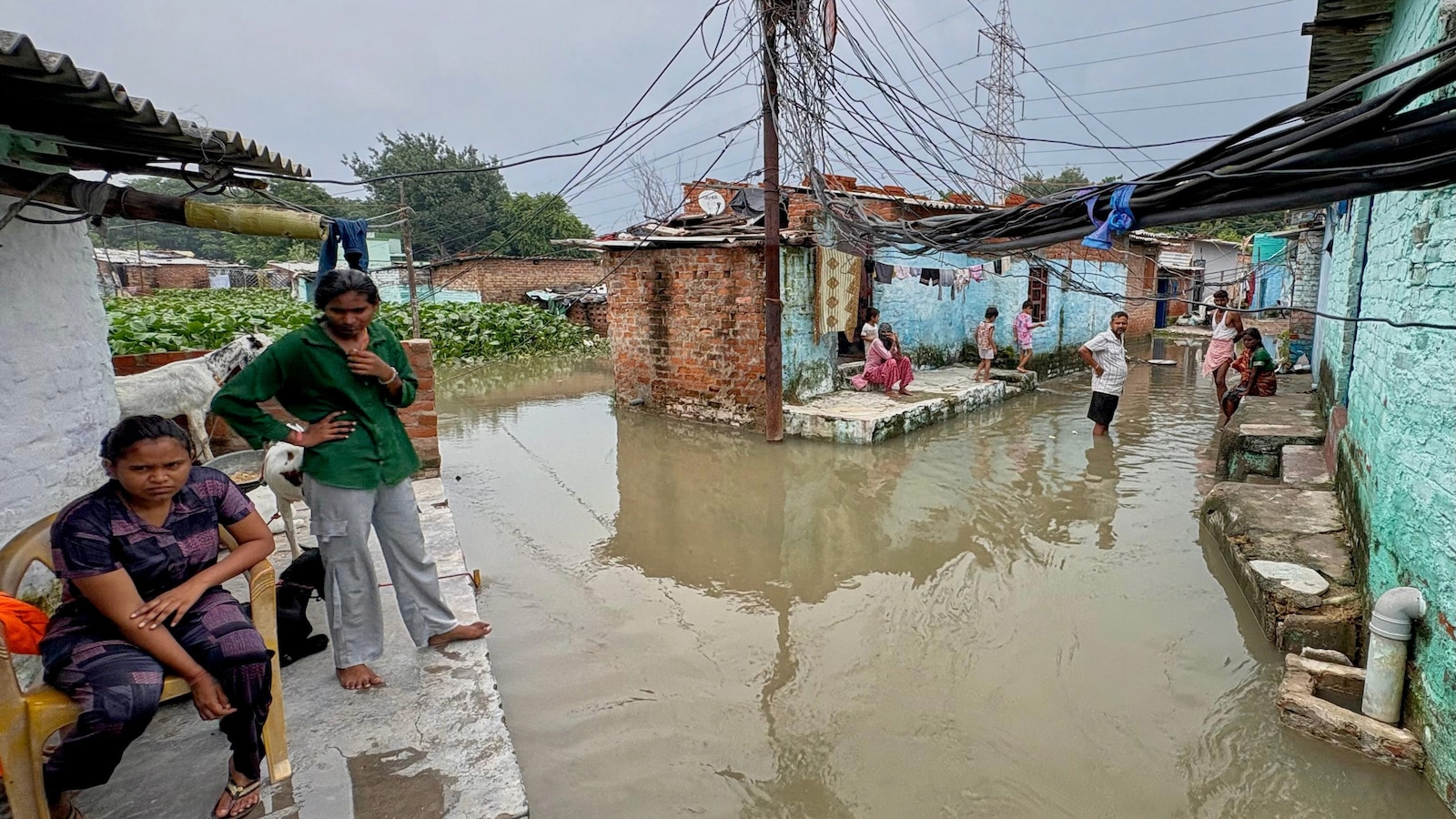
According to consistent reporting, the heavy rains began several days before the death toll was announced. Water levels rose so quickly in many places that residents had little time to secure their homes or belongings. Numerous villages and towns across Uttar Pradesh saw roads, farmland, and residential areas submerged. Rescue teams have been working to move people from flooded areas to safety. Schools in the affected districts were reportedly closed as a precaution, to keep children and staff out of harm's way while the floodwaters remained high.
Officials have put the confirmed death toll at a minimum of 62, a figure based on cases verified so far. In disasters of this kind, further casualties are often confirmed once rescue teams reach areas that were previously cut off or difficult to access. Reporting suggests the number of people affected extends far beyond the fatalities: thousands have been evacuated, with many now staying in temporary shelters or with relatives in less-affected areas.
The available reports do not provide detailed meteorological explanations for the unusually intense rainfall. Broadly speaking, however, the region is regularly affected by seasonal monsoon rains that bring water to large parts of India from June through September, but which also repeatedly cause devastating flooding. Uttar Pradesh sits in the Gangetic plain, a region crossed by numerous river systems that can quickly overflow their banks during periods of heavy rain. Densely populated settlements along these rivers are particularly exposed when water levels rise sharply.
At the same time, other parts of South and Southeast Asia have also reported severe rainfall. In Bangkok, Thailand's capital, days of heavy rain have caused widespread flooding that has disrupted transport and daily business across the city. Authorities there have opened shelters and warned that it could take days for the water to recede. While these are separate weather events, both cases illustrate how forcefully this year's monsoon season has affected large parts of Asia.
In Uttar Pradesh, rescue and relief efforts are currently focused on retrieving residents still stranded in flooded areas and ensuring basic supplies of drinking water, food, and medical care for those evacuated. The available sources do not provide details on specific relief measures from state or national authorities, such as financial assistance for victims or reconstruction programs. Similarly, there is no clear information yet on how many buildings were damaged or destroyed, or how much infrastructure, including roads and bridges, has been affected by the floodwaters.
It also remains unclear how the weather situation will develop in the coming days and whether further rainfall could worsen conditions in the region. Authorities are expected to release additional information in the coming days regarding casualty figures, the scale of the damage, and planned relief efforts. Given the recurring nature of monsoon-related disasters in the region, the flooding in Uttar Pradesh is likely to reignite discussions about disaster preparedness, early-warning systems, and the state of infrastructure in particularly vulnerable parts of India.
At this stage, what is clear is that the events in northern India form part of a broader pattern of extreme weather that has struck multiple countries across South and Southeast Asia this year. For the families affected in Uttar Pradesh, the disaster has meant, in the immediate term, the loss of homes, possessions, and in many cases loved ones — a situation that is likely to require continued humanitarian attention in the weeks ahead.
Fast take
Heavy rain and the flooding it triggered have killed at least 62 people in northern India, according to officials.
NOFRAME signal
Stable coverage · 3 Sources · 3 Regions
What remains open
The source picture is relatively consistent. That still makes the details worth reading: small differences in wording, omissions, and source selection can reveal what each region treats as important.
Dossier compass
Which media spaces carry the story and how broad the source base is.
Source mix
Underlit angles
- No notable omissions in the current source comparison.
Open originals
Go straight to the linked articles. NOFRAME does not replace those sources.
Why it matters
The source picture is relatively consistent. That still makes the details worth reading: small differences in wording, omissions, and source selection can reveal what each region treats as important.
Timeline
TRT World · September 28, 2026 at 08:14 AM
Heavy rain and flooding kill dozens in northern India
Africa News · September 28, 2026 at 09:16 AM
Bangkok streets turn to canals as days of heavy rain bring citywide flooding
ABC News · September 28, 2026 at 09:46 AM
Heavy rain and flooding kill at least 62 in northern India