Renewed fighting between Yemen's Houthi rebels and Saudi Arabia has escalated in recent weeks, highlighting the vulnerability of Saudi energy infrastructure to ongoing regional conflict. At the center of these developments is the East-West Pipeline, a critical route for transporting crude oil from the kingdom's eastern production fields to export terminals on the Red Sea. The pipeline holds strategic significance because it allows Saudi Arabia to export oil without depending on the Strait of Hormuz, a waterway that could be easily blocked during periods of regional tension.
According to reports from regional media, state oil company Saudi Aramco is currently working to bypass a damaged section of the pipeline. The goal is to restore at least partial production and transport capacity while full repairs remain pending. Available reports do not specify the extent of the damage or its precise cause.
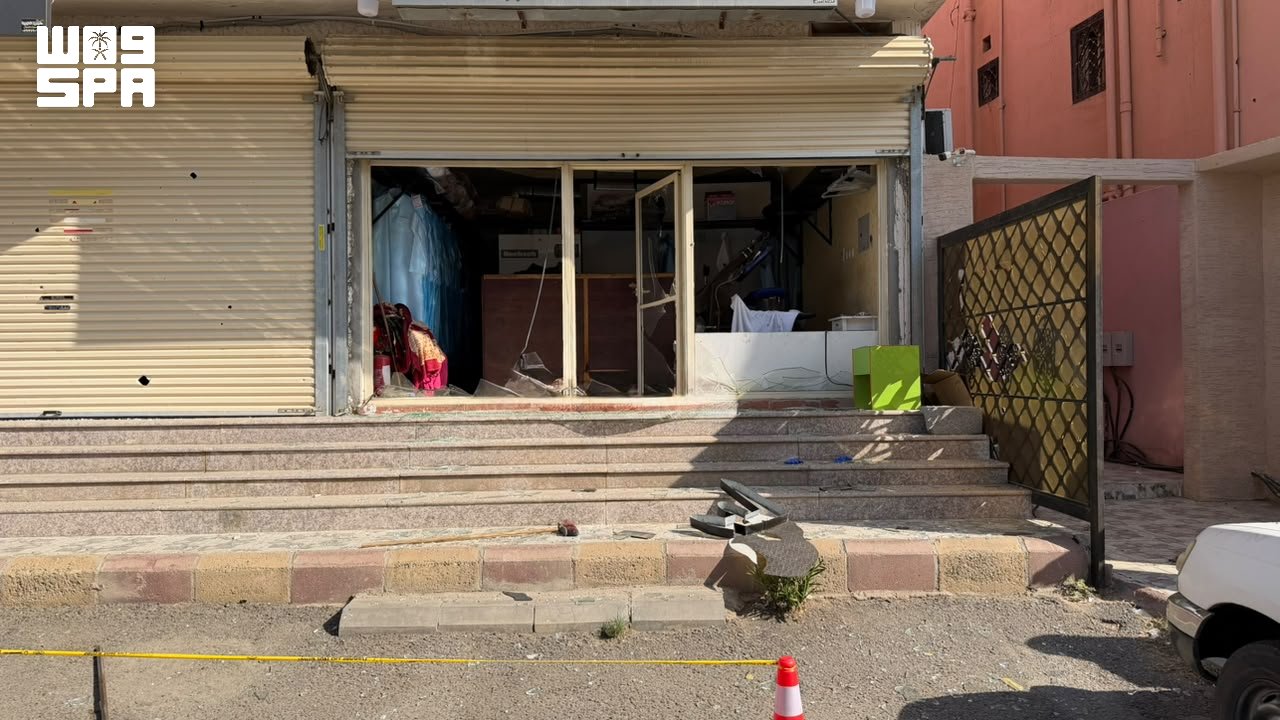
Alongside the pipeline issues, a fatal incident occurred in the city of Taif. According to Saudi Arabia's Civil Defense, a Yemeni resident was killed on Thursday after debris from a Houthi-launched drone fell to the ground following its interception. Two additional people were injured: a Saudi female citizen and a Pakistani national, whose condition was described as critical. The falling debris also caused material damage to several buildings and vehicles. Images released by the Saudi Press Agency showed shattered windows on cars and storefronts.
The Taif incident is part of a broader series of drone attacks the Houthis have conducted against Saudi territory in recent months. The Houthis, an armed group based in Yemen that international reports describe as backed by Iran, have been engaged for years in a conflict with a Saudi-led military coalition. This conflict has continued with varying intensity, marked by recurring periods of escalation and relative calm.
Another significant dimension of the current situation involves the international response to the conflict. According to reports from Russian media, Saudi Arabia is currently seeking additional air defense systems from other countries after the United States reportedly declined to carry out direct military strikes against the Houthis. This development suggests Saudi Arabia may view its own defense capabilities against ongoing drone and missile attacks as insufficient, prompting it to seek external support.
Coverage of the connection between this conflict and global gas prices remains underdeveloped in the available sources. While damage to the East-West Pipeline could theoretically affect Saudi oil production capacity and, by extension, global energy markets, the available articles provide no concrete data on actual price movements, market reactions, or quantified production losses. This gap suggests that the direct economic impacts of the conflict on energy prices have not yet been sufficiently documented or publicly communicated.
Several important questions remain open: When will the East-West Pipeline be fully restored? Which international partners will respond to Saudi requests for additional air defense support, and to what extent? How will continued Houthi drone attacks further affect civilian security in Saudi Arabia? The resolution of these questions will largely depend on how diplomatic and military dynamics in the region evolve in the coming weeks.
The current situation exemplifies how regional security conflicts in the Middle East can potentially have global ramifications, even when the concrete economic connections—such as those to energy prices—have not yet been fully substantiated by available reporting.
Fast take
Renewed fighting between Yemen's Houthi rebels and Saudi Arabia has escalated in recent weeks, highlighting the vulnerability of Saudi energy infrastructure to ongoing regional conflict.
NOFRAME signal
Stable coverage · 6 Sources · 4 Regions
What remains open
The source picture is relatively consistent. That still makes the details worth reading: small differences in wording, omissions, and source selection can reveal what each region treats as important.
Dossier compass
Which media spaces carry the story and how broad the source base is.
Source mix
Underlit angles
- Saudi Arabia's international diplomatic efforts to secure air defense support
- Details about the pipeline damage and its repair
- Concrete details about civilian casualties from the drone attack in Taif
Open originals
Go straight to the linked articles. NOFRAME does not replace those sources.
Why it matters
The source picture is relatively consistent. That still makes the details worth reading: small differences in wording, omissions, and source selection can reveal what each region treats as important.
Timeline
Arab News · September 17, 2026 at 02:40 PM
Houthi drone debris kills Yemeni resident in Saudi Arabia’s Taif
RT · September 17, 2026 at 02:55 PM
Saudi Arabia seeking support after US declines to strike Houthis – AP
Al-Monitor · September 17, 2026 at 03:22 PM
How soon can Saudi Arabia restart its key oil pipeline?
Straits Times · September 17, 2026 at 04:23 PM
One killed as Saudi Arabia intercepts drone launched by Yemen's Houthis