Hungary and Ukraine have reached a landmark agreement on the rights of Ukraine's ethnic Hungarian minority, clearing the path for the next steps in Ukraine's European Union accession process. Hungarian Prime Minister Peter Magyar announced the diplomatic breakthrough on June 3, 2023, stating that the deal could enable approval of the first cluster of negotiating chapters in Ukraine's EU membership talks.
The agreement ends months of diplomatic deadlock that had hindered Ukraine's European aspirations. Hungary had previously blocked progress on Ukraine's European integration, citing concerns about the treatment of the approximately 150,000-strong Hungarian-speaking minority in Ukraine. This minority primarily resides in the western Ukrainian region of Transcarpathia, where linguistic and cultural rights represent a sensitive issue.
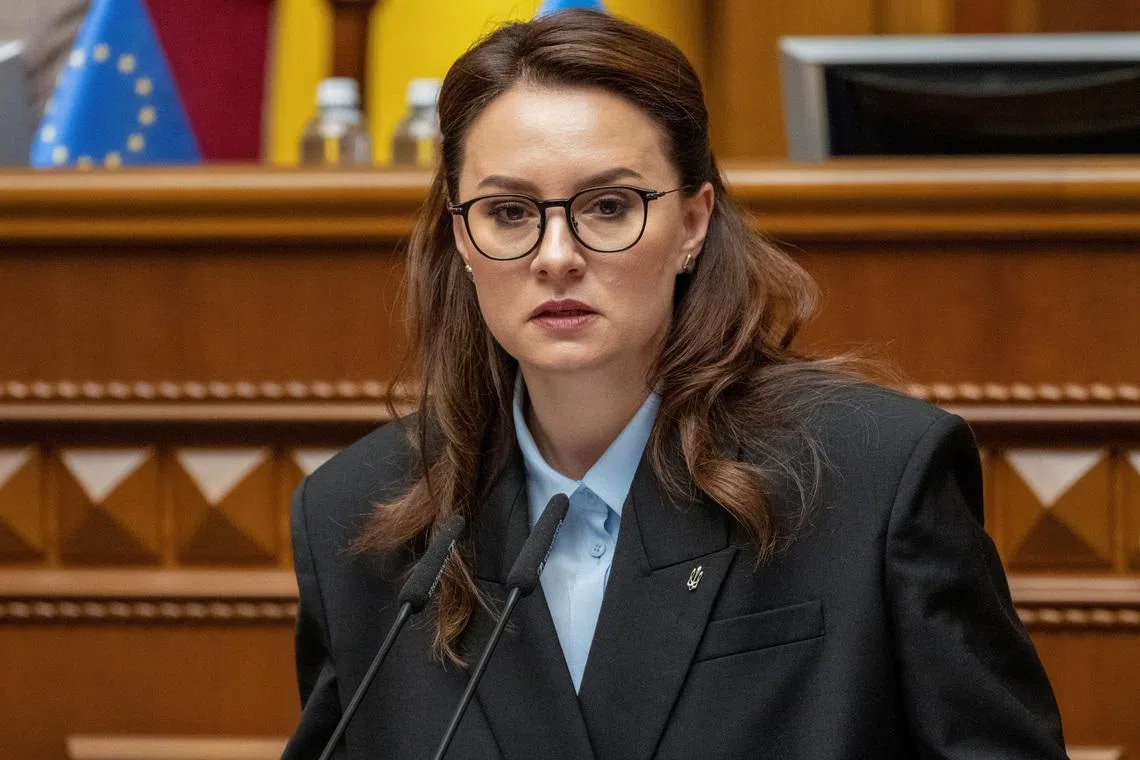
Following the Hungarian-Ukrainian agreement, all EU member states have given their approval to open talks with Ukraine and Moldova on the first cluster of issues in their accession negotiations. Ukrainian Prime Minister Yulia Svyrydenko confirmed in the early hours of June 4 that all EU members had given the green light for this crucial step.
The Council of the European Union has already begun official preparations for the start of talks on Ukraine's accession. Discussions could begin as early as June 15 during an intergovernmental conference on EU expansion in Luxembourg. This conference would mark the formal start of accession negotiations, which would be considered a historic moment in EU-Ukraine relations.
Ukraine submitted its application for EU membership in February 2022, just days after the start of the Russian invasion. The EU granted candidate status to Ukraine and Moldova in June 2022, an unprecedentedly fast process that underscores the geopolitical significance of eastward expansion. Typically, the path from application to candidate status takes years or even decades.
Hungary has additionally expressed its readiness to host Ukraine talks and provide diplomatic and humanitarian assistance. This gesture underscores the improved bilateral relations following the agreement on minority rights. Prime Minister Magyar emphasized that Hungary wants to play a constructive role in the peace process.
The agreement on minority rights demonstrates the complexity of EU enlargement, which requires not only candidate countries to meet the Copenhagen criteria but also the resolution of bilateral disputes between member states and accession candidates. Similar issues have previously delayed other enlargement processes, such as with the Western Balkan states.
The first negotiating cluster typically encompasses fundamental areas such as justice, fundamental rights, and rule of law. These topics are considered particularly important for EU integration and must be comprehensively reformed by accession candidates. For Ukraine, this means an intensive phase of legislation and institutional reforms.
Despite the diplomatic progress, significant challenges remain for Ukraine's accession. The country continues to be at war with Russia, which complicates the implementation of reforms. Additionally, extensive adjustments must be made in areas such as anti-corruption measures, judicial reform, and economic modernization before actual membership can be realized.
The minority rights agreement specifically addresses concerns about language policies and cultural autonomy that had strained Hungarian-Ukrainian relations. These issues became particularly sensitive after Ukraine passed language laws that restricted the use of minority languages in education and public life, measures that Hungary viewed as discriminatory against its ethnic kin.
The breakthrough comes at a critical time for Ukraine's European integration efforts, as the country seeks to demonstrate its commitment to European values while defending itself against Russian aggression. The EU has provided substantial financial and military support to Ukraine since the invasion began, and the accession process represents a long-term commitment to Ukraine's European future.
Fast take
Hungary and Ukraine have reached a landmark agreement on the rights of Ukraine's ethnic Hungarian minority, clearing the path for the next steps in Ukraine's European Union accession process.
NOFRAME signal
Stable coverage · 4 Sources · 3 Regions
What remains open
The source picture is relatively consistent. That still makes the details worth reading: small differences in wording, omissions, and source selection can reveal what each region treats as important.
Dossier compass
Which media spaces carry the story and how broad the source base is.
Source mix
Underlit angles
- Details about specific contents of the minority rights agreement
- Background of Hungarian-Ukrainian conflict over minority rights
- Critical assessment of Hungary's previous blocking stance
Open originals
Go straight to the linked articles. NOFRAME does not replace those sources.
Why it matters
The source picture is relatively consistent. That still makes the details worth reading: small differences in wording, omissions, and source selection can reveal what each region treats as important.
Timeline
Kyiv Independent · June 3, 2026 at 07:34 PM
Ukraine-Hungary agreement on minorities clears way for EU accession next steps
Straits Times · June 3, 2026 at 08:06 PM
Hungary and Ukraine agree on minority rights, paving way for EU talks
Straits Times · June 3, 2026 at 10:46 PM
All EU members greenlight first step in accession talks, Ukraine PM says
TASS · June 3, 2026 at 11:50 PM
Council of the EU begins official preparations for start of talks on Ukraine’s accession