Iran's football federation announced on Tuesday that its ticket allocation for the FIFA World Cup 2026 has been revoked just days before the tournament begins, leaving thousands of Iranian supporters unable to attend their team's matches despite having already finalized travel arrangements. The Islamic Republic of Iran Football Federation (FFIRI) stated that the 8 percent quota of tickets originally allocated to Iran for the group stage matches can no longer be distributed to fans. This last-minute decision has created significant disruption for Iranian supporters who had relied on official processes to plan their World Cup attendance.
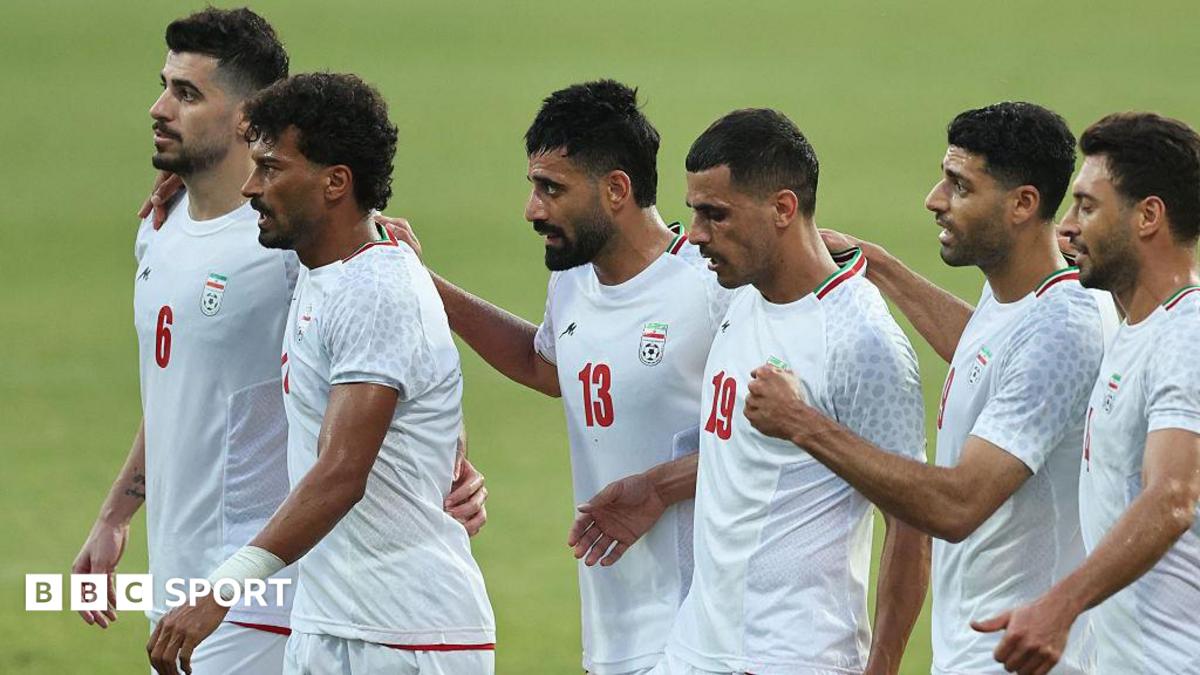
In an official statement, the FFIRI explained that ticket sales for the matches had already begun but could no longer provide tickets to fans. "This is despite the fact that many Iranian football fans, relying on the officially announced process, had already made the necessary plans to attend the matches," the federation stated. The Iranian football body expressed strong criticism of the decision, saying it "raises serious questions about the interference of non-sporting and political considerations in the organisation of the world's biggest football event."
Reports differ regarding who was responsible for revoking the ticket allocation. While some sources indicate that the United States withdrew the allocation, others refer to a decision by tournament organizers or FIFA itself. The exact circumstances and official reasoning behind the withdrawal of Iran's ticket quota remain unclear. This ambiguity has added to the confusion and frustration experienced by affected Iranian fans who had been preparing for months to support their national team.
Despite the complications surrounding fan tickets, Iran's national team has proceeded with its journey to the tournament, which is being held across the United States, Canada, and Mexico. The players and support staff successfully obtained their US visas and arrived in Mexico on Sunday as scheduled. The team landed at Tijuana International Airport, where they were greeted by supporters. This development demonstrates that while diplomatic tensions may be affecting fan participation, they have not prevented the team itself from participating in the tournament.
The 2026 World Cup marks the first time the tournament is being hosted jointly by three countries, with the United States serving as the primary host while Canada and Mexico act as co-hosts. This unique arrangement brings complex logistical and diplomatic challenges, particularly when involving countries that have strained relationships with one of the host nations. Iran and the United States have not maintained diplomatic relations for decades, which adds another layer of complexity to the current situation.
The timing of this decision raises significant questions about the planning processes and communication between the various organizations involved in World Cup organization. Typically, ticket allocations for World Cups are established and coordinated months in advance. The announcement of such a fundamental change just days before the tournament begins is highly unusual and suggests extraordinary circumstances were at play. FIFA, as the global football governing body, has not yet issued a public statement regarding this matter.
For the affected Iranian fans, this development represents not only financial losses from bookings already made but also the disappointment of being unable to support their national team at one of the world's most important sporting events. Many supporters had already purchased flights, reserved accommodations, and taken time off work. The short notice of the cancellation leaves them with limited options to modify their plans or avoid costs already incurred.
Iran's national team will now have to compete without the planned support of their fans in the stadiums. Fan support traditionally plays a crucial role in World Cup atmospheres and can significantly influence a team's performance. The absence of Iranian supporters in the venues could therefore impact both the atmosphere and potentially the team's performance during their group stage matches.
This controversy also raises broader questions about the role of politics in international sport. While sporting organizations like FIFA emphasize that sport and politics should remain separate, cases like this demonstrate how difficult it can be to maintain such separation in practice. The situation could set precedents for future international sporting events and reignite discussions about the neutrality of sport in global affairs.
The decision has implications beyond just this tournament, potentially affecting how ticket allocations are managed for future major sporting events. It highlights the vulnerability of fans to last-minute policy changes and raises questions about what protections or guarantees should exist for supporters who make significant financial commitments based on official tournament processes. The lack of clear communication about the reasons behind the decision has only amplified these concerns.
The international football community will be watching closely to see how this situation develops and what precedent it might set. Other countries with complex diplomatic relationships with host nations may now have concerns about similar situations arising in future tournaments. The incident could prompt FIFA and other sporting bodies to develop clearer protocols for handling such politically sensitive situations while trying to maintain the sporting integrity of their events.
The long-term ramifications of this decision remain to be seen. It could further strain the already tense relationship between Iran and the United States and potentially have implications for future sporting events. At the same time, it may prompt discussions about the criteria and procedures for awarding and potentially revoking ticket allocations at international tournaments, as the global sporting community grapples with the intersection of sport, politics, and diplomacy in an increasingly complex world.
Fast take
Iran's football federation announced on Tuesday that its ticket allocation for the FIFA World Cup 2026 has been revoked just days before the tournament begins, leaving thousands of Iranian supporters unable to attend their team's matches despite having already finalized travel arrangements.
NOFRAME signal
Medium divergence · 8 Sources · 4 Regions
What remains open
Coverage is not fully split, but it is not identical either. That makes the comparison useful: the fact base shows the common core, while the perspectives show where political, regional, or institutional priorities change the emphasis.
Dossier compass
Which media spaces carry the story and how broad the source base is.
Source mix
Underlit angles
- Specific reasons for withdrawal
- Role of US or FIFA in the decision
- Diplomatic tensions as possible background
Open originals
Go straight to the linked articles. NOFRAME does not replace those sources.
Why it matters
Coverage is not fully split, but it is not identical either. That makes the comparison useful: the fact base shows the common core, while the perspectives show where political, regional, or institutional priorities change the emphasis.
Timeline
The Independent · June 9, 2026 at 10:03 AM
Iran soccer body claims fans' tickets for World Cup games in the US have been revoked
BBC World · June 9, 2026 at 10:15 AM
Tickets for Iran fans revoked, says federation
Punch Nigeria · June 9, 2026 at 10:30 AM
US revoked World Cup ticket allocation for supporters — Iran
TASS · June 9, 2026 at 11:52 AM
Organizers of 2026 FIFA World Cup withdraw Iran’s ticket allocation — agency