European countries are reportedly engaged in talks with Iran regarding transit arrangements through the strategically vital Strait of Hormuz, according to Iranian state television. The announcement comes as the crucial waterway has been largely blocked for over ten weeks, while international diplomatic efforts to resolve the regional conflict are intensifying.
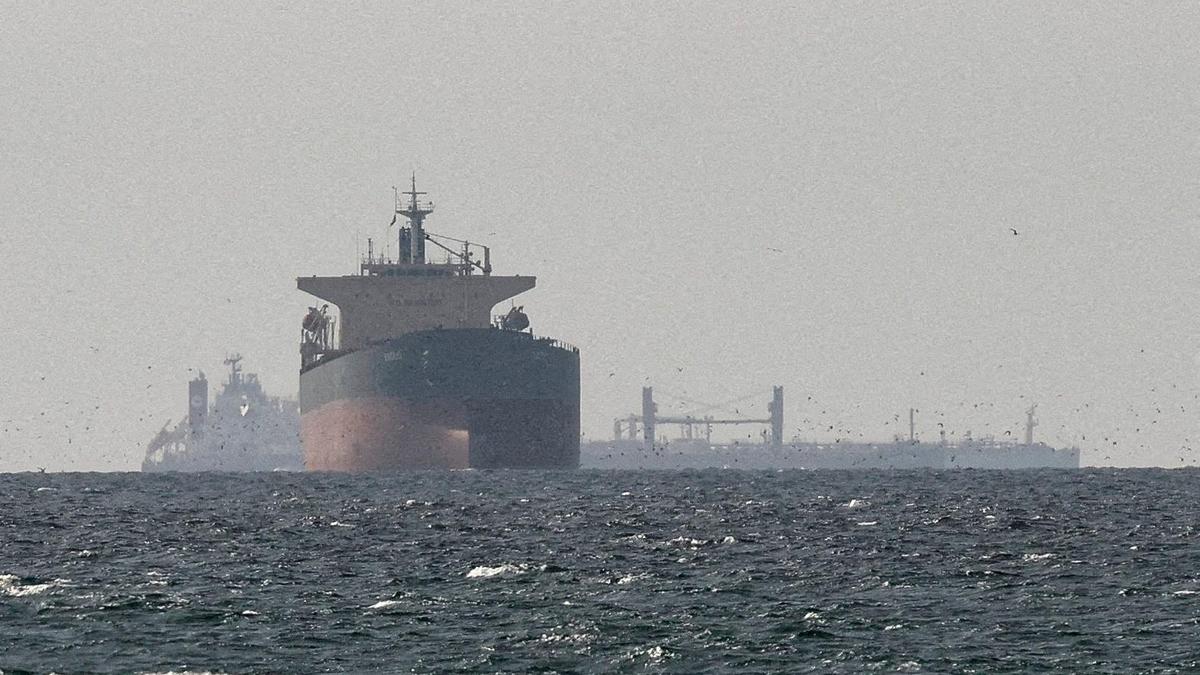
The Strait of Hormuz, a narrow waterway approximately 50 kilometers wide between Iran and the Arabian Peninsula, serves as one of the world's most important shipping routes. Under normal circumstances, roughly one-fifth of global seaborne oil traffic passes through this strait, making it a critical chokepoint for global energy supplies. However, since the outbreak of conflict between Iran and the United States and Israel on February 28, Tehran has largely blocked transit through the waterway.
Alongside the reported discussions with European countries, Iran has also announced coordination efforts with Oman regarding the future management of the Strait of Hormuz. These plans include imposing fees on commercial shipping and requiring detailed nationality information from all transiting vessels. The Omani exclave of Musandam lies south of the contested waterway, giving it significant geographical importance in any management arrangement.
The United States has firmly opposed these Iranian-Omani plans, placing Muscat in a difficult geopolitical position. Oman, which traditionally maintains a neutral stance in regional conflicts, now finds itself caught between opposing forces. The Omani government has remained silent about the Iranian claims of coordination, avoiding public comment on the sensitive matter.
A fragile ceasefire has been in place since April 8, but this has not ended the blockade of the Strait of Hormuz. The continued closure of the waterway has significant implications for global energy markets and supply chains. Shipping companies are forced to use longer and more expensive alternative routes, resulting in higher transport costs and delays that ripple through the global economy.
Meanwhile, diplomatic efforts to find a peaceful resolution to the conflict are intensifying. Pakistan has positioned itself as a mediator and is actively working to facilitate peace talks between Iran and the United States. A Pakistani minister recently arrived in Tehran to advance these mediation efforts. Islamabad has previously served as an intermediary in regional conflicts and maintains diplomatic relations with all parties involved.
There are also signals of potential willingness to engage from the American side. Iran reports that former and future US President Trump has signaled openness to negotiations. However, the situation regarding Iran's nuclear program remains deadlocked, representing a central point of contention in Washington-Tehran relations.
These developments highlight the complex geopolitical dynamics in the strategically important Gulf region. The Strait of Hormuz is not only crucial for energy transport but also serves as an instrument of geopolitical leverage. Iran's control over the waterway gives the country considerable influence over the global economy and demonstrates how regional conflicts can have worldwide implications.
The stakes for the international community are high. A lasting solution to the Strait of Hormuz crisis requires not only an end to military confrontations but also sustainable agreements on the future management and use of this critical waterway. The reported talks between European countries and Iran could represent an important step in this direction, although details about the content and progress of these negotiations remain unclear.
The situation also underscores the interconnected nature of regional security and global economic stability. Energy markets worldwide continue to monitor developments closely, as any escalation or resolution of the crisis could have immediate impacts on oil prices and shipping costs. The involvement of multiple international actors in diplomatic efforts reflects the global significance of ensuring free navigation through this vital maritime corridor.
As negotiations continue on multiple fronts, the international community faces the challenge of balancing various interests while working toward a solution that ensures both regional stability and the free flow of global commerce through one of the world's most important waterways.
Fast take
European countries are reportedly engaged in talks with Iran regarding transit arrangements through the strategically vital Strait of Hormuz, according to Iranian state television.
NOFRAME signal
Stable coverage · 4 Sources · 4 Regions
What remains open
The source picture is relatively consistent. That still makes the details worth reading: small differences in wording, omissions, and source selection can reveal what each region treats as important.
Dossier compass
Which media spaces carry the story and how broad the source base is.
Source mix
Underlit angles
- Details of European talks on Hormuz transit
- Omani position on Iranian plans
- Geopolitical tensions around Oman
Open originals
Go straight to the linked articles. NOFRAME does not replace those sources.
Why it matters
The source picture is relatively consistent. That still makes the details worth reading: small differences in wording, omissions, and source selection can reveal what each region treats as important.
Timeline
Al Jazeera · May 16, 2026 at 08:02 AM
Iran war day 78: Trump, Tehran signal talks as Lebanon truce extended
Straits Times · May 16, 2026 at 12:59 PM
Iran state TV says European countries in talks with Tehran for Hormuz transit
Straits Times · May 16, 2026 at 02:39 PM
Pakistani minister arrives in Tehran to ‘facilitate’ US-Iran peace talks: Media
The Hindu · May 16, 2026 at 03:36 PM
European countries in talks with Tehran for Hormuz transit: Report