Iran launched missile strikes against Israel on June 7, marking the first direct military confrontation between the two nations since an April ceasefire took effect. The Iranian retaliation came as a direct response to Israeli bombardments in southern Beirut that killed at least two people and wounded 20 others, ending a period of relative calm in the region.
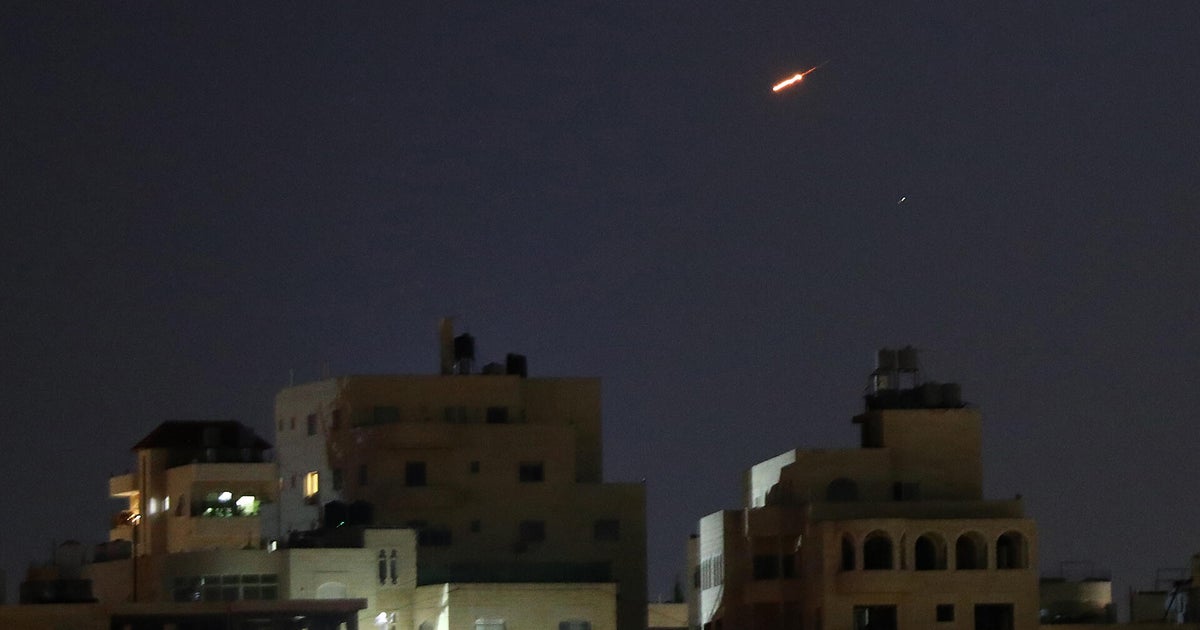
According to Israeli military officials, all Iranian missiles were intercepted by air defense systems. Israel responded swiftly with retaliatory strikes against Iranian targets, with explosions reported in the Iranian cities of Tehran and Isfahan. The attacks represent a dramatic escalation of regional tensions and mark the resumption of direct military confrontation between the two longtime adversaries.
The Israeli strikes on Beirut targeted suspected Hezbollah strongholds in the southern part of the Lebanese capital. These bombardments served as the immediate trigger for Iranian retaliation. Iran supports Hezbollah as part of its regional network of allies and views attacks on the organization as direct provocations against its interests.
During the missile exchanges, both Iraq and Syria closed their airspace to protect civilian aircraft from the ongoing hostilities. This action underscores the regional impact of the escalation between Iran and Israel. Iranian state television broadcast scenes of celebrations in Tehran as missiles flew overhead toward Israel, demonstrating public support for the retaliatory strikes within Iran.
The April ceasefire had ended a period of intense tensions and led to a relative stabilization of the situation. The renewed escalation raises questions about the durability of that agreement and prospects for lasting de-escalation. Both sides appear willing to engage in a cycle of retaliatory strikes that could spiral beyond their control.
The international community is watching developments with great concern, as further escalation carries the potential for broader regional conflict. The attacks come at a time of heightened tensions across the Middle East, where various conflicts and rivalries threaten regional stability. The resumption of direct confrontation between Iran and Israel adds another volatile element to an already complex regional security environment.
Experts warn of the far-reaching consequences of continued military confrontation between Iran and Israel. Both countries possess significant military capabilities and have demonstrated willingness to use them in pursuit of their strategic objectives. The current escalation could draw other regional actors into the conflict and lead to broader destabilization across the Middle East.
The timing of the escalation is particularly concerning given ongoing tensions in other parts of the region. The breakdown of the April ceasefire suggests that underlying issues between Iran and Israel remain unresolved, despite previous diplomatic efforts to manage their rivalry through proxy conflicts rather than direct confrontation.
Both Iran and Israel now face critical decisions about whether to continue the cycle of retaliation or seek ways to de-escalate tensions. The international community may need to intervene diplomatically to prevent further escalation that could engulf the broader region in conflict.
The situation remains highly volatile, with both sides having demonstrated their willingness to strike each other's territories directly. The coming days will be crucial in determining whether the region slides into larger conflict or whether diplomatic efforts can prevent further escalation and restore some measure of stability to this volatile situation.
Fast take
Iran launched missile strikes against Israel on June 7, marking the first direct military confrontation between the two nations since an April ceasefire took effect.
NOFRAME signal
Medium divergence · 6 Sources · 4 Regions
What remains open
Coverage is not fully split, but it is not identical either. That makes the comparison useful: the fact base shows the common core, while the perspectives show where political, regional, or institutional priorities change the emphasis.
Dossier compass
Which media spaces carry the story and how broad the source base is.
Source mix
Underlit angles
- Details about Israeli retaliatory strikes against Iran
- Military successes of Israeli air defense
- Emotional aspects and celebrations
Open originals
Go straight to the linked articles. NOFRAME does not replace those sources.
Why it matters
Coverage is not fully split, but it is not identical either. That makes the comparison useful: the fact base shows the common core, while the perspectives show where political, regional, or institutional priorities change the emphasis.
Timeline
CBS News · June 8, 2026 at 12:50 AM
Iran strikes Israel for first time since April ceasefire in retaliation for Israeli attack on Beirut
India Today · June 8, 2026 at 02:24 AM
Israeli missiles hit Iran in retaliatory strike, 1st such attacks since April truce
CBS News · June 8, 2026 at 02:38 AM
6/7: CBS Weekend News
NDTV World · June 8, 2026 at 03:37 AM
Iran Fires Missiles Into Israel In A First Since Ceasefire, Tel Aviv Retaliates