Iranian Foreign Minister Abbas Araghchi met with US Special Envoy Steve Witkoff on the sidelines of the United Nations General Assembly in New York, and according to Iranian state media, conveyed specific conditions for reopening the Strait of Hormuz. The strait is one of the world's most important passages for oil transport, as a significant share of global crude exports moves through this narrow waterway. Any closure or restriction of the strait carries the potential for far-reaching consequences for international energy markets and the broader global economy.
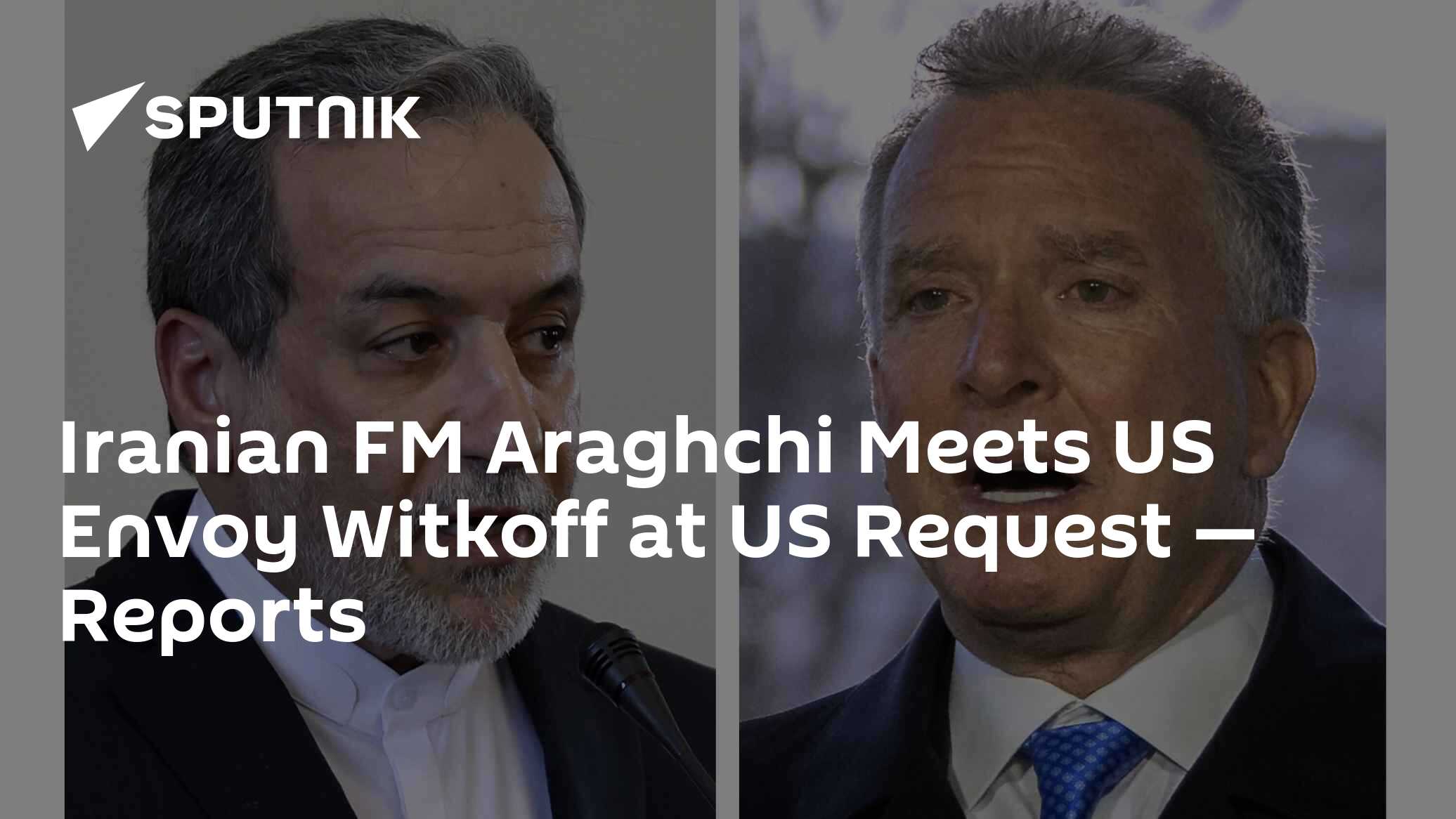
According to multiple reports citing Iran's state news agency IRIB, Araghchi presented Witkoff with three central demands: the immediate lifting of a naval blockade attributed to the United States, the prompt release of frozen Iranian assets, and an end to hostilities across what Tehran refers to as all "resistance" fronts. This term is traditionally used by Iran to describe allied groups and conflicts across the region, including in areas such as Lebanon and Yemen, though the precise scope of the phrase in this context is not further specified in the available reporting.
Accounts differ on who initiated the meeting. Russian outlet Sputnik, citing an IRIB source, reported that the meeting took place at the insistence of the US side. Other reports provide less detail on which side requested the encounter, focusing instead on the substance of the conditions conveyed. These discrepancies cannot be fully resolved based on the available sources, since no independent confirmation from US government officials is documented in the material reviewed.
British-based outlet RT additionally reported that, according to a proposal reportedly put forward by Tehran, the Strait of Hormuz could reopen within seven days if the stated conditions were met. This timeframe is not corroborated by other sources and should be treated with caution. Still, it suggests that Iran may be signaling interest in a relatively swift resolution, contingent on its demands being satisfied.
Alongside the talks with the American side, diplomatic contacts with European partners also appear to have taken place on the sidelines of the UN General Assembly. According to TRT World, Italian Foreign Minister Antonio Tajani met with his Iranian counterpart Araghchi, also discussing the possible reopening of the Strait of Hormuz. Details about the content or outcome of this meeting are not elaborated upon in the available reporting, indicating that diplomatic efforts around the strait appear to be unfolding through multiple channels simultaneously.
The broader background to the current situation at the Strait of Hormuz is not extensively explained in the available articles, nor are the specific circumstances surrounding the naval blockade or the frozen assets referenced by Iran. This gap leaves open questions about how long restrictions on shipping through the strait have been in place and which actors are enforcing them. It also remains unclear what amount of Iranian assets is frozen and in which countries or financial institutions these funds are currently held.
It is likewise unclear how the US government has officially responded to the conditions conveyed by Iran. None of the available sources include an immediate public statement from the American side addressing the specific demands. Similarly, there is no indication in the reporting of whether further talks between the two sides are planned, or whether Washington has responded to the seven-day timeframe mentioned in RT's coverage.
The situation is likely to remain under close observation in the coming days, particularly regarding any response from the US government, further diplomatic engagement with countries such as Italy, and potential effects on international oil markets. Given the strategic importance of the Strait of Hormuz to global energy trade, any further developments in this matter are expected to draw significant international attention.
Fast take
Iranian Foreign Minister Abbas Araghchi met with US Special Envoy Steve Witkoff on the sidelines of the United Nations General Assembly in New York, and according to Iranian state media, conveyed specific conditions for reopening the Strait of Hormuz.
NOFRAME signal
Stable coverage · 6 Sources · 3 Regions
What remains open
The source picture is relatively consistent. That still makes the details worth reading: small differences in wording, omissions, and source selection can reveal what each region treats as important.
Dossier compass
Which media spaces carry the story and how broad the source base is.
Source mix
Underlit angles
- No notable omissions in the current source comparison.
Open originals
Go straight to the linked articles. NOFRAME does not replace those sources.
Why it matters
The source picture is relatively consistent. That still makes the details worth reading: small differences in wording, omissions, and source selection can reveal what each region treats as important.
Timeline
TRT World · September 22, 2026 at 06:09 PM
Italy, Iran hold talks on reopening Strait of Hormuz
Al-Monitor · September 22, 2026 at 10:46 PM
Iran submits conditions for reopening of Hormuz to U.S. representative, state media says
NDTV World · September 22, 2026 at 10:55 PM
Iran's Araghchi Meets US Envoy Witkoff, Sets Conditions For Hormuz Reopening
Sputnik · September 23, 2026 at 06:34 AM
Iranian FM Araghchi Meets US Envoy Witkoff at US Request — Reports