Iran has suspended its indirect talks with the United States, citing Israel's escalating military operations in Lebanon as the primary reason for halting the negotiations. The decision was announced Monday by Iran's Tasnim news agency and immediately triggered reactions in international markets.
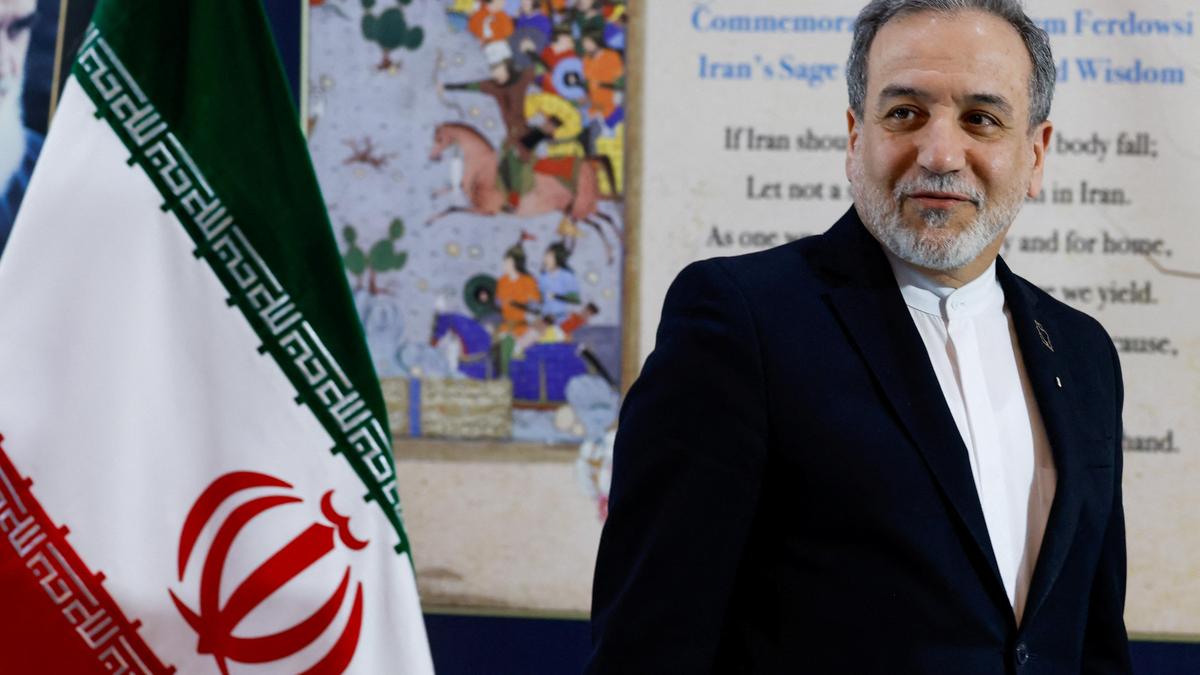
The suspension comes at a critical juncture in diplomatic efforts to end a three-month conflict between Iran and the US. Despite a ceasefire that came into effect on April 8, both countries have continued to trade attacks against each other. The talks, conducted through mediators, were aimed at finding a resolution to the ongoing tensions in the region.
According to Tasnim, Iran will not resume indirect contacts until Israeli attacks in both Gaza and Lebanon are completely stopped. The news agency further reported that Iran and what it calls the Resistance Front, which includes Shiite allies in Yemen, Lebanon, and Iraq, have established an agenda to completely block the Strait of Hormuz.
The economic impact of the announcement was immediate and significant. Crude oil prices surged approximately seven percent higher, while equity markets struggled under the pressure. The Strait of Hormuz is one of the world's most critical shipping routes for oil transport, and any threat to its passage has substantial implications for global energy markets.
In addition to the potential Hormuz blockade, Tasnim mentioned the activation of other fronts, including the Bab el-Mandeb Strait off the coast of Yemen. This waterway represents another critical chokepoint for international shipping and controls sea traffic toward the Suez Canal. The Houthis, Iran's allies in Yemen, could potentially open a new front in this conflict.
Iran's Foreign Minister Abbas Araghchi had previously cautioned against drawing premature conclusions from the ongoing negotiations. Speaking to Tasnim, he emphasized that it was too early to assess the prospects of an agreement and that discussions remained ongoing behind the scenes. He dismissed growing speculation surrounding the negotiations.
The development raises questions about the future of diplomatic efforts in the region. The US and Iran had continued military actions against each other in recent weeks despite the ceasefire, highlighting the fragility of existing agreements.
The suspension of talks represents a significant setback for peace efforts in the Middle East. Any deal to end the conflict had been expected to address Israel's operations in Lebanon, but the current escalation appears to have derailed those diplomatic initiatives.
The international community is watching the situation with growing concern, as further escalation could not only threaten regional stability but also have far-reaching implications for the global economy. Control over critical shipping routes by Iran and its allies could significantly disrupt international trade and lead to further price increases for energy and other commodities.
The timing of Iran's decision also coincides with increased tensions across multiple fronts in the region. The coordination between Iran and its regional allies suggests a potentially broader response that could affect maritime security in both the Persian Gulf and Red Sea regions, two of the world's most important waterways for global commerce.
Fast take
Iran has suspended its indirect talks with the United States, citing Israel's escalating military operations in Lebanon as the primary reason for halting the negotiations.
NOFRAME signal
Medium divergence · 8 Sources · 4 Regions
What remains open
Coverage is not fully split, but it is not identical either. That makes the comparison useful: the fact base shows the common core, while the perspectives show where political, regional, or institutional priorities change the emphasis.
Dossier compass
Which media spaces carry the story and how broad the source base is.
Source mix
Underlit angles
- Details about previous negotiation progress
- Specific US positions in the talks
- Detailed background on original conflict
Open originals
Go straight to the linked articles. NOFRAME does not replace those sources.
Why it matters
Coverage is not fully split, but it is not identical either. That makes the comparison useful: the fact base shows the common core, while the perspectives show where political, regional, or institutional priorities change the emphasis.
Timeline
The Hindu · June 1, 2026 at 02:41 PM
Iran suspends talks with U.S. over Israel’s Lebanon strikes
TRT World · June 1, 2026 at 03:05 PM
Israeli attacks in Lebanon prompt Iran to suspend indirect US talks: report
Al-Monitor · June 1, 2026 at 03:29 PM
Iran suspends US talks over Israel's Lebanon escalation, state media reports: What to know
Al-Monitor · June 1, 2026 at 04:00 PM
Oil prices jump as Iran suspends peace talks