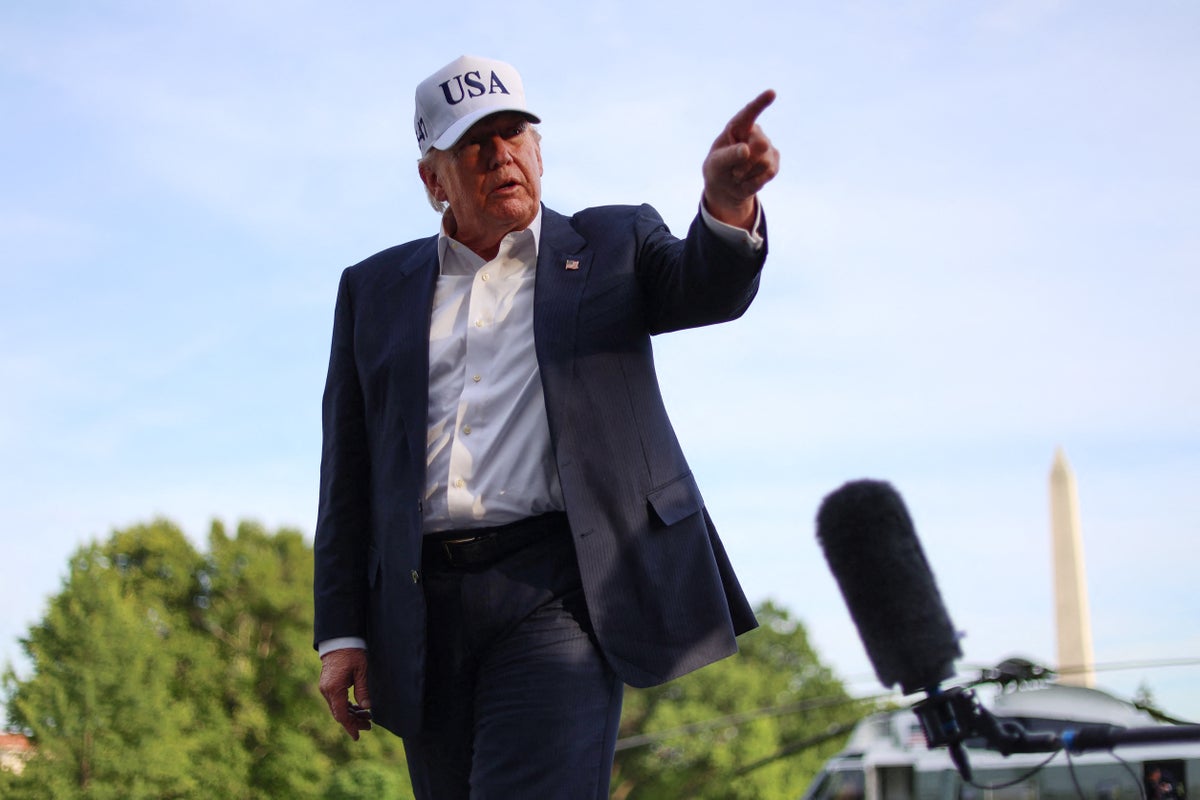
Tensions between the United States and Iran have escalated further after US President Donald Trump warned Iran that the 'clock is ticking.' This warning came following a phone conversation with Israeli Prime Minister Benjamin Netanyahu and signals growing impatience from the American administration with the progress of diplomatic negotiations.
The current tensions are primarily focused on the Persian Gulf, where Iranian threats against international shipping have brought the region's energy exports to a near-standstill. This blockade has provided Iran with significant negotiating leverage, as the global economy heavily depends on energy supplies from this strategically crucial region.
Trump had previously stated that ceasefire efforts were on 'massive life support' after rejecting Iran's latest demands as 'totally unacceptable.' This sharp rhetoric indicates that negotiations between Washington and Tehran have entered a critical phase, with both sides appearing to harden their positions.
From Iran's perspective, the United States appears unwilling to make concrete concessions. Iranian media reports suggest that Washington has not provided substantial responses to Tehran's latest proposals. These conflicting narratives highlight the gulf between the two sides and the difficulties in finding a diplomatic solution.
The situation has been further complicated by a drone strike on the Barakah Nuclear Power Plant in Abu Dhabi. The attack caused a fire at an electrical generator at the facility, though the exact connection to the broader US-Iran tensions remains unclear. This incident underscores the regional implications of the crisis and the danger of further escalation.
The phone conversation between Trump and Netanyahu adds another dimension to the already complex situation. Israel's involvement in the discussions demonstrates how the bilateral tensions between the US and Iran are affecting the entire region. Israel has traditionally maintained a hardline stance toward Iran, particularly regarding its nuclear program and regional activities.
The blockade of energy exports in the Persian Gulf has far-reaching economic consequences. The region accounts for a significant portion of global oil and gas supplies, and any disruption to these deliveries can lead to price increases and supply shortages in global energy markets. This economic dimension adds additional urgency to diplomatic efforts.
Despite the tense rhetoric, both sides appear to still be maintaining diplomatic channels. The fact that negotiations are taking place at all suggests that both Washington and Tehran wish to avoid military confrontation. However, the window for a peaceful resolution appears to be narrowing.
The involvement of regional allies and partners further complicates the diplomatic landscape. Netanyahu's conversation with Trump suggests that Israel is actively engaged in discussions about the Iran situation, potentially influencing US decision-making. This regional dimension adds layers of complexity to what is already a challenging diplomatic puzzle.
The international community is watching developments with growing concern. Further escalation of tensions could not only threaten regional stability but also have global impacts on energy and financial markets. The strategic importance of the Persian Gulf means that any prolonged crisis could have worldwide economic ramifications.
The coming days and weeks will be crucial in determining whether diplomatic efforts can bear fruit or if the crisis will continue to escalate. Trump's warning that the 'clock is ticking' suggests that the US administration may be setting deadlines for progress, adding time pressure to an already volatile situation.
Fast take
Tensions between the United States and Iran have escalated further after US President Donald Trump warned Iran that the 'clock is ticking.
NOFRAME signal
Stable coverage · 4 Sources · 3 Regions
What remains open
The source picture is relatively consistent. That still makes the details worth reading: small differences in wording, omissions, and source selection can reveal what each region treats as important.
Dossier compass
Which media spaces carry the story and how broad the source base is.
Source mix
Underlit angles
- Details about Iranian negotiating position
- Specific content of rejected demands
- Trump's specific threats
Open originals
Go straight to the linked articles. NOFRAME does not replace those sources.
Why it matters
The source picture is relatively consistent. That still makes the details worth reading: small differences in wording, omissions, and source selection can reveal what each region treats as important.
Timeline
BBC World · May 17, 2026 at 07:23 PM
Trump warns 'clock is ticking' for Iran as peace progress stalls
Japan Times · May 18, 2026 at 12:45 AM
U.S. and Iran far from Hormuz deal as Trump says clock is ticking
TRT World · May 18, 2026 at 01:14 AM
'Clock is ticking' Trump warns Iran as diplomatic window narrows
The Independent · May 18, 2026 at 03:44 AM
Iran-US war latest: Trump warns Tehran ‘clock is ticking’ after phone call with Netanyahu