The six-month-old military conflict between the United States and Iran has cost approximately $38 billion so far, according to the nonpartisan Congressional Budget Office (CBO), the independent bookkeeping agency of the US Congress. The agency reported on Tuesday that monthly expenses are projected to rise by an additional $3 billion should the conflict continue. The calculation covers direct US government expenditures through August 1 and has been picked up by multiple international news outlets.
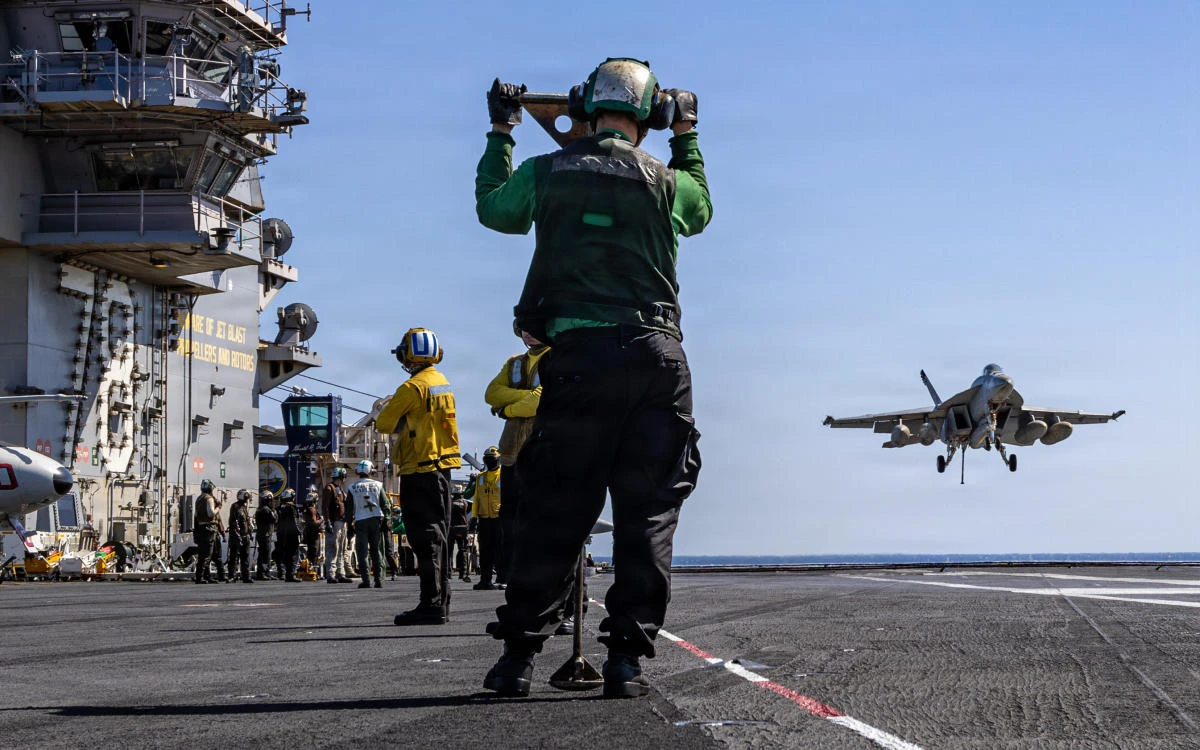
The war, which began in late February, has become a significant financial burden on the US federal budget. Among the stated objectives of American military operations is reopening the Strait of Hormuz, a critical waterway for global oil trade that has been periodically disrupted by the conflict. The Trump administration says it is actively searching for ways to end the war without abandoning its strategic goals in the region.
Beyond direct military costs, the CBO also examined potential macroeconomic consequences of the war. According to the agency's projections, the conflict could push US inflation up by 0.5 percentage points during the first three months of 2027. This forecast illustrates that the economic impact of the war extends beyond immediate military spending, potentially affecting consumer prices and energy costs over the medium term.
In June, the White House had already requested an additional $87.6 billion in supplemental funding from Congress, largely intended to sustain war efforts. Congress has not yet approved this request, suggesting political disagreement over further financing of the conflict. This delay could complicate financial planning for the Pentagon should the war continue for an extended period.
The exact figure for war costs, however, is not without dispute. While most reports, including Reuters dispatches and coverage from the Middle East and South Asia, cite the CBO's $38 billion estimate, a report from a Singapore-based outlet put the figure notably higher at $48 billion. Additionally, the Pentagon itself had previously cited a lower figure of $33.4 billion, while acknowledging that the true cost of the war remains unclear. These discrepancies highlight the difficulty of precisely tracking the total costs of an ongoing military conflict, particularly when different institutions apply different accounting methods.
Internationally, the situation is being closely watched for its broader economic and geopolitical implications. The Strait of Hormuz is one of the world's most important oil trade routes, and continued tensions in the region could affect global energy prices and supply chains. Meanwhile, debate is growing within the United States over how long the country can and should sustain rising war costs, particularly given the unresolved status of Congress's approval for additional funding.
It remains uncertain how the conflict will evolve in the coming months and whether the Trump administration's diplomatic efforts can achieve de-escalation. Should the war persist, financial burdens on the United States are likely to keep rising, increasing pressure on policymakers to either find a faster resolution or approve additional funding. The varying cost estimates from different institutions also underscore the need for more transparent and consistent reporting on the actual expenditures of such a complex military engagement.
Fast take
The six-month-old military conflict between the United States and Iran has cost approximately $38 billion so far, according to the nonpartisan Congressional Budget Office (CBO), the independent bookkeeping agency of the US Congress.
NOFRAME signal
Stable coverage · 8 Sources · 4 Regions
What remains open
The source picture is relatively consistent. That still makes the details worth reading: small differences in wording, omissions, and source selection can reveal what each region treats as important.
Dossier compass
Which media spaces carry the story and how broad the source base is.
Source mix
Underlit angles
- Details on the domestic political debate over congressional approval of additional funding
- No mention of the inflation forecast or the White House funding request
- No discussion of differing cost estimates from other sources
Open originals
Go straight to the linked articles. NOFRAME does not replace those sources.
Why it matters
The source picture is relatively consistent. That still makes the details worth reading: small differences in wording, omissions, and source selection can reveal what each region treats as important.
Timeline
Straits Times · September 15, 2026 at 09:31 PM
Iran war has cost US military $48 billion: Congressional Budget Office
CBS News · September 15, 2026 at 09:44 PM
Iran war could cost $2 billion per month, Congressional Budget Office estimates
India Today · September 15, 2026 at 09:54 PM
CBO says US-Iran war cost tops USD 38 billion, with no quick end in sight
Daily Maverick · September 15, 2026 at 11:17 PM
Iran war cost hits $38 billion, forecast to rise $3 billion a month, CBO says