The United Arab Emirates officially denied reports on Thursday claiming that Israeli Prime Minister Benjamin Netanyahu secretly visited the country during the ongoing conflict with Iran. The UAE Foreign Ministry rejected the claims as 'unverified' and dismissed them outright.
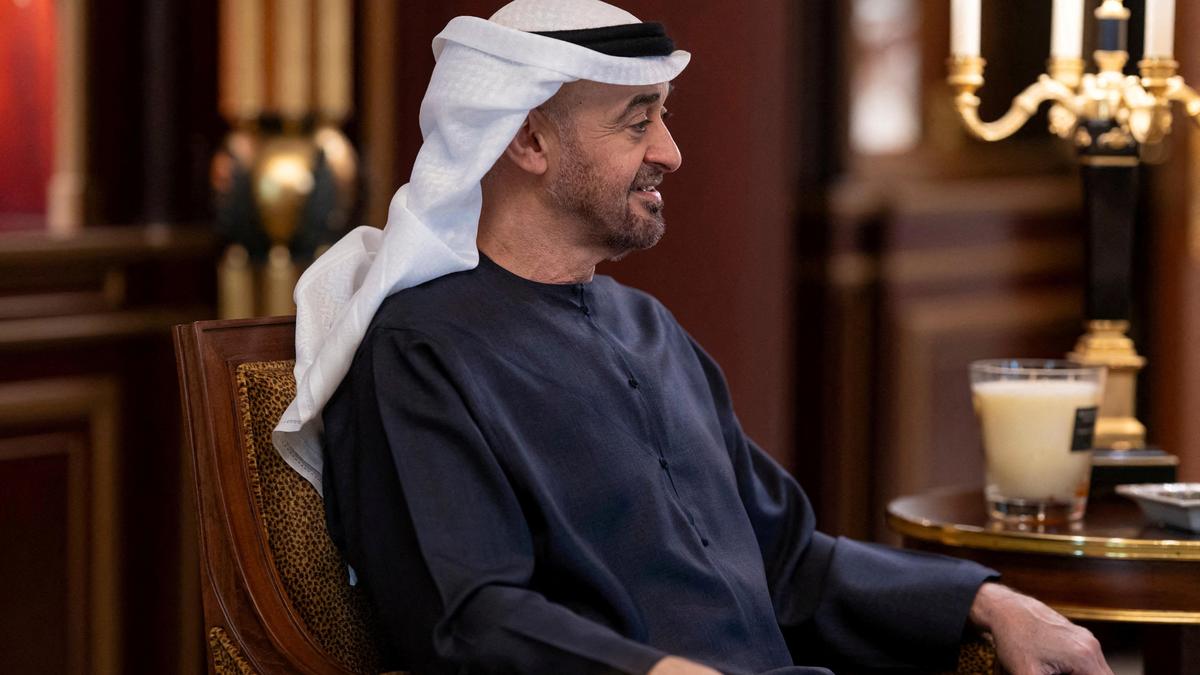
Netanyahu's office had announced on Wednesday that the Prime Minister had 'paid a secret visit to the United Arab Emirates' during the war, where he allegedly met with UAE President Sheikh Mohammed bin Zayed Al Nahyan. This announcement generated significant attention as it came amid heightened tensions between Israel and Iran.
The UAE Foreign Ministry responded promptly to these claims, clarifying that relations between the UAE and Israel are conducted publicly and transparently. In an official statement, the Emirates emphasized that their relations with Israel take place 'within the framework of the well-known and officially declared Abraham Accords' and are 'not based on non-transparent or unofficial arrangements'.
The Abraham Accords, brokered by the United States in 2020, normalized diplomatic relations between Israel and several Arab states, including the UAE. These agreements marked a historic shift in Israel-Arab relations and created a framework for official diplomatic, economic, and security cooperation.
The announcement of the alleged secret visit coincided with other significant regional developments. US Ambassador to Israel Mike Huckabee had announced a day earlier that Israel had sent Iron Dome air defense systems, along with personnel to operate them, to the UAE during the war with Iran. This military support underscores the security dimension of Israeli-Emirati relations.
The contradiction between the Israeli announcement and the Emirati denial raises questions about communication between the two countries. While Netanyahu's office spoke of a meeting with the Emirati president, the UAE disputes any such encounter. This discrepancy could indicate different interpretations of diplomatic contacts or communication errors.
The UAE's denial comes in a sensitive regional environment where Arab states must carefully balance their relationships with Israel. While the Abraham Accords enabled official relations, these partnerships remain controversial among Arab publics, particularly given ongoing Israeli-Palestinian tensions and the recent escalation with Iran.
The UAE's emphasis on transparency in its Israel relations may also aim to counter criticism from other Arab countries that might view secret or unofficial arrangements as problematic. By publicly rejecting reports of a secret visit, the Emirates signal that they conduct their diplomatic relations openly and within established agreements.
The incident also highlights the complex nature of Middle Eastern diplomacy during times of conflict. Regional tensions between Israel and Iran have created a challenging environment for Arab states that have normalized relations with Israel while maintaining their own security concerns about Iranian influence in the region.
Meanwhile, the broader context includes ongoing military operations and casualties in the region. Lebanese health authorities reported that Israeli airstrikes struck seven vehicles in Lebanon, killing 12 people including a woman and her two children, illustrating the continued violence affecting the broader region.
The diplomatic contradiction over the alleged visit reflects the delicate balance that Gulf states must maintain in their regional relationships. The UAE has positioned itself as a moderate voice in Middle Eastern affairs and has invested significantly in building economic and diplomatic ties with various regional powers, including both Israel and Iran's neighbors.
This development demonstrates the complex diplomatic dynamics in the Middle East, where countries must navigate relationships amid ongoing hostilities and shifting regional alliances. The differing accounts of the alleged visit also highlight the challenges of communication in a region where diplomatic gestures often allow for multiple interpretations and where public statements carry significant political weight.
Fast take
The United Arab Emirates officially denied reports on Thursday claiming that Israeli Prime Minister Benjamin Netanyahu secretly visited the country during the ongoing conflict with Iran.
NOFRAME signal
Medium divergence · 4 Sources · 3 Regions
What remains open
Coverage is not fully split, but it is not identical either. That makes the comparison useful: the fact base shows the common core, while the perspectives show where political, regional, or institutional priorities change the emphasis.
Dossier compass
Which media spaces carry the story and how broad the source base is.
Source mix
Underlit angles
- Details about possible background of Israeli announcement
- Speculation about diplomatic motives
- Regional tensions and their implications
Why it matters
Coverage is not fully split, but it is not identical either. That makes the comparison useful: the fact base shows the common core, while the perspectives show where political, regional, or institutional priorities change the emphasis.
Timeline
TRT World · May 13, 2026 at 10:32 PM
UAE denies Israel's Netanyahu secretly visited Abu Dhabi during Iran war
Dawn · May 14, 2026 at 02:39 AM
UAE 'denies reports' of secret Netanyahu visit
The Hindu · May 14, 2026 at 02:45 AM
UAE 'denies reports' of secret Netanyahu visit
The Hindu · May 14, 2026 at 03:50 AM
Israel-Iran war LIVE: UAE 'denies reports' of secret visit by Israeli PM Netanyahu