Israel declared a new swathe of southern Lebanon a combat zone on Tuesday and ordered residents to evacuate immediately, marking the first such sweeping warning since a ceasefire between Israel and Hezbollah took effect on April 17.
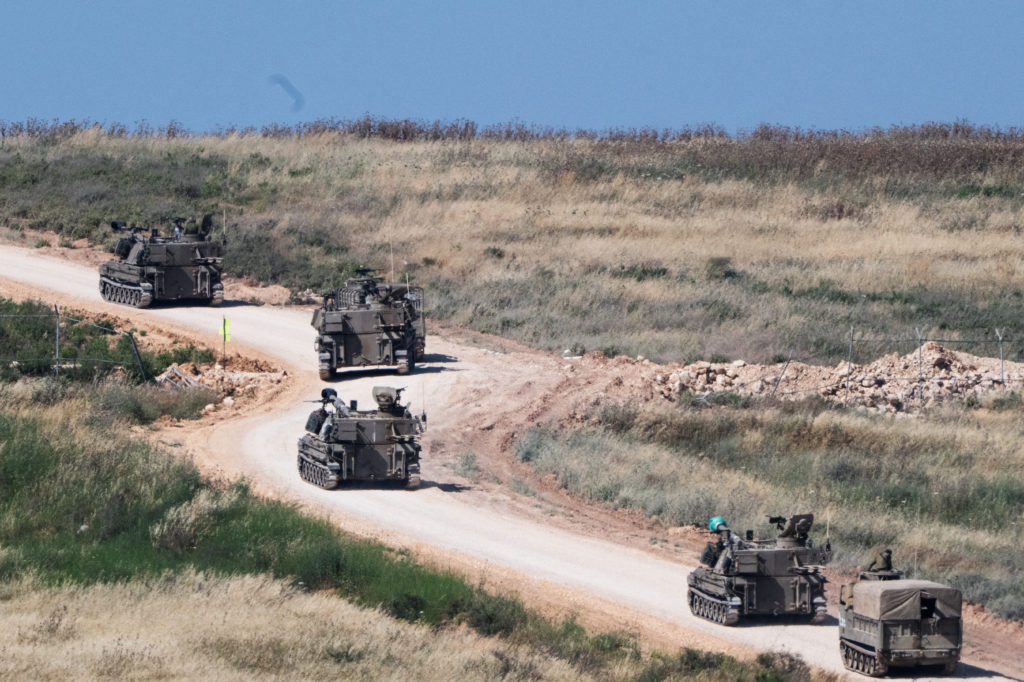
The Israeli military simultaneously carried out heavy airstrikes throughout the southern Lebanese region. According to Israeli statements, the strikes targeted positions of the Shiite Hezbollah militia. Particularly in focus is the city of Nabatieh, one of the larger cities in southern Lebanon, for which Israel has issued specific forced displacement orders.
The escalation marks a dramatic turning point after months of relative calm. The April ceasefire had ended a phase of intense fighting between Israeli forces and the Iran-backed Hezbollah. The agreement stipulated that both sides would cease their military activities in the border region.
Nabatieh, now at the center of the Israeli military action, is a strategically important city in southern Lebanon with several tens of thousands of inhabitants. The city is located about 60 kilometers south of Beirut and is considered a Hezbollah stronghold. Its geographical location makes it an important hub for the militia's movements in the region.
The Israeli evacuation orders affect not only Nabatieh itself but a larger area of southern Lebanon. Thousands of Lebanese civilians have been ordered to leave their homes and move to northern areas considered safer. The orders were disseminated through various communication channels, including leaflets and radio announcements.
Hezbollah, which has operated in southern Lebanon since the 1980s, maintains an extensive network of tunnels, weapons depots, and rocket positions in the region. Israel considers the organization one of the greatest threats to its security and has repeatedly conducted military operations against Hezbollah targets in the past.
The collapse of the April ceasefire raises questions about the stability of the entire region. International observers had welcomed the ceasefire as an important step toward de-escalating tensions between Israel and its northern neighbors. The renewed escalation could also impact other regional actors, particularly Iran, which provides military and financial support to Hezbollah.
It remains unclear what exactly triggered the breakdown of the ceasefire. Both sides have previously accused each other of violating ceasefire agreements. The current escalation suggests that the underlying tensions between Israel and Hezbollah were never fully resolved despite the temporary calm.
The international community is watching developments with concern. Further escalation of the conflict could not only threaten Lebanon's stability but also have broader regional implications and draw other actors into the conflict. The situation represents a significant test for regional diplomatic efforts and ceasefire mechanisms.
The timing of the Israeli action, coming after months of relative quiet, suggests either a significant provocation or a strategic decision to preemptively address perceived threats. The scope and intensity of the military response indicate this is more than a limited tactical operation, potentially signaling a return to sustained conflict between the two sides.
Fast take
Israel declared a new swathe of southern Lebanon a combat zone on Tuesday and ordered residents to evacuate immediately, marking the first such sweeping warning since a ceasefire between Israel and Hezbollah took effect on April 17.
NOFRAME signal
Medium divergence · 4 Sources · 4 Regions
What remains open
Coverage is not fully split, but it is not identical either. That makes the comparison useful: the fact base shows the common core, while the perspectives show where political, regional, or institutional priorities change the emphasis.
Dossier compass
Which media spaces carry the story and how broad the source base is.
Source mix
Underlit angles
- Details about Hezbollah activities or Israeli security concerns
- Specific details about affected cities or escalation background
- Details about civilian protection measures or international reactions
Open originals
Go straight to the linked articles. NOFRAME does not replace those sources.
Why it matters
Coverage is not fully split, but it is not identical either. That makes the comparison useful: the fact base shows the common core, while the perspectives show where political, regional, or institutional priorities change the emphasis.
Timeline
Al Jazeera · May 27, 2026 at 02:00 PM
Why is Israel attacking Lebanon’s Nabatieh, the major southern city?
Straits Times · May 27, 2026 at 07:04 PM
Israel declares new swathe of Lebanon 'a combat zone', urges residents to leave
RT · May 27, 2026 at 10:02 PM
Israel pounds southern Lebanon after declaring it a 'combat zone'
PBS NewsHour · May 27, 2026 at 10:56 PM
Israeli military tells residents across southern Lebanon to leave as it fights Hezbollah