Israeli airstrikes on southern suburbs of Beirut killed at least two people and wounded eleven others on Sunday, marking the most serious escalation in the conflict with Hezbollah since a ceasefire was established in mid-April. The strikes targeted two residential buildings in areas considered strongholds of the Iran-backed militant group, with Israel justifying the attacks as retaliation for projectiles that Hezbollah had fired into Israeli territory and which were intercepted by Israeli defense systems.
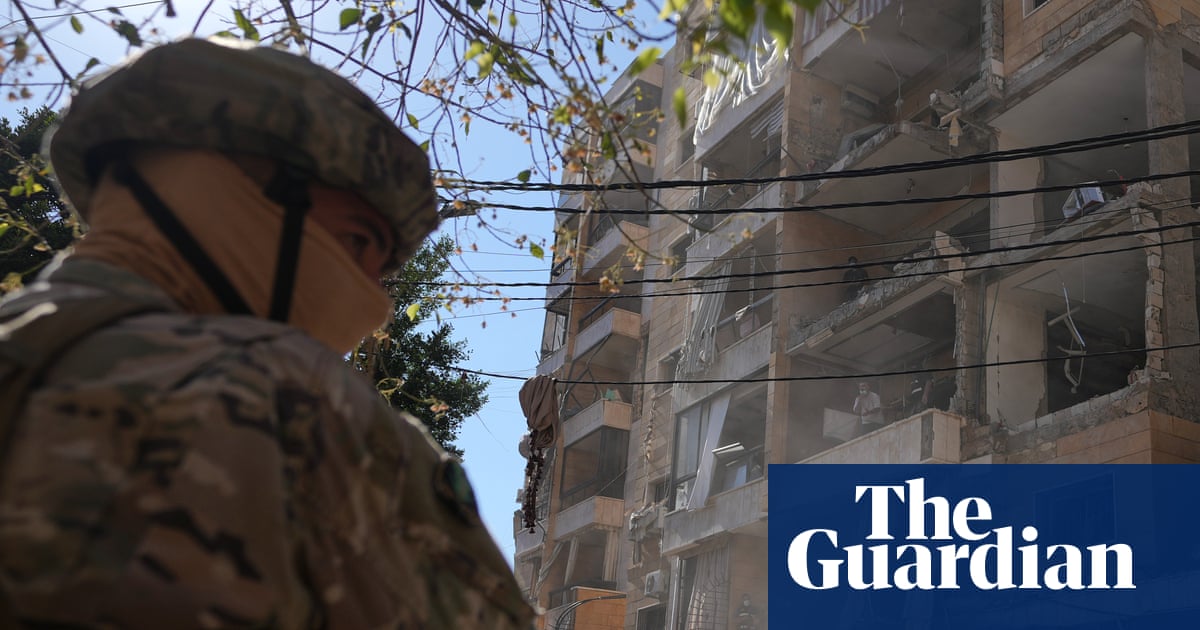
The attacks represent a significant departure from the relative calm that had prevailed in Beirut's southern suburbs since the April ceasefire agreement. These densely populated residential areas, which serve as Hezbollah bastions, had been struck only twice since mid-April, making Sunday's airstrikes a notable escalation in the ongoing conflict. Lebanese state media reported that the strikes specifically targeted two apartments in separate buildings, with videos showing the aftermath of multiple explosions in the residential neighborhoods.
Following the Beirut strikes, Israel issued evacuation warnings for most of the southern Lebanese city of Tyre and its surrounding areas. Tyre has been a more frequent target of Israeli strikes in recent months, and the evacuation order suggests that Israel may be preparing for additional military operations in the region. The warning affects thousands of residents and indicates that the military action may not be limited to the capital's suburbs.
According to reports, Israeli officials notified their U.S. counterparts in advance of the planned strikes on Beirut. Israeli sources stated that the country believed it had the right to respond to Hezbollah attacks with strikes on the Lebanese capital. Israeli military officials expressed the assessment that Iran would likely not respond directly to strikes on Beirut, though they remained prepared for a potential Hezbollah retaliation. This advance notification to Washington suggests coordination with the United States, despite the escalatory nature of the attacks.
Iran responded to the Israeli airstrikes with threats of a "painful" retaliation, highlighting the regional dimensions of the conflict and the risk of further escalation. Tehran has long supported Hezbollah with weapons, funding, and military training, viewing the group as a crucial ally in its regional strategy. The Iranian threat underscores how localized conflicts between Israel and Hezbollah can quickly involve regional powers and potentially spiral into broader confrontations.
The military escalation comes amid ongoing diplomatic efforts by the Trump administration to broker a comprehensive ceasefire between the warring parties. Israeli and Lebanese officials have been brought together for talks in Washington, with the U.S. pushing for a lasting truce. However, these diplomatic initiatives have so far failed to gain traction, with Hezbollah reportedly rejecting ceasefire proposals. The group's rejection of truce offers suggests significant obstacles remain to achieving a sustainable peace agreement.
In a Sunday interview, Donald Trump called for more "surgical" strikes against Hezbollah in Lebanon while expressing his desire to see Lebanon "have a better life." Trump also stated that he would not demand that the Lebanon conflict be included in any potential ceasefire deal with Iran. This separation of the Lebanon issue from broader regional negotiations could represent a shift in U.S. diplomatic strategy, potentially allowing for more focused approaches to different regional conflicts.
The conflict between Israel and Hezbollah has deep historical roots, with both sides regularly exchanging fire across the Lebanese-Israeli border. Hezbollah controls large portions of southern Lebanon and possesses an extensive rocket arsenal that poses a constant threat to northern Israel. Israel, in turn, conducts regular airstrikes against Hezbollah positions and attempts to intercept weapons shipments to the group, creating a cycle of attack and retaliation that has persisted for decades.
The latest escalation raises serious questions about the durability of the April ceasefire agreement and the prospects for long-term stability in the region. While both sides officially maintain their commitment to the truce, the continued exchanges of fire demonstrate how fragile the peace remains. The pattern of attack and retaliation suggests that without addressing underlying issues, temporary ceasefires may provide only brief respites from violence rather than sustainable solutions.
The humanitarian impact of the strikes on civilian populations remains a central concern for international observers. Beirut's southern suburbs are densely populated residential areas home to hundreds of thousands of people, many of whom are already struggling with Lebanon's severe economic crisis. Military actions in these areas inevitably risk civilian casualties and can further deteriorate the humanitarian situation in a country already facing multiple crises.
The international community continues to monitor developments with growing concern, as the potential for regional escalation remains high. The involvement of Iran, the ongoing U.S. diplomatic efforts, and the complex web of regional alliances mean that what begins as a localized conflict between Israel and Hezbollah could have far-reaching consequences for Middle Eastern stability and international security.
Fast take
Israeli airstrikes on southern suburbs of Beirut killed at least two people and wounded eleven others on Sunday, marking the most serious escalation in the conflict with Hezbollah since a ceasefire was established in mid-April.
NOFRAME signal
High divergence · 8 Sources · 3 Regions
What remains open
This matters because the event itself is only part of the story. 3 media regions frame it with noticeably different priorities. Details that remain stable across those boundaries are more robust; details that appear in only one region need context.
Dossier compass
Which media spaces carry the story and how broad the source base is.
Source mix
Underlit angles
- Details about prior Hezbollah attacks
- Israel's military justification
- Prior US notification
Open originals
Go straight to the linked articles. NOFRAME does not replace those sources.
Why it matters
This matters because the event itself is only part of the story. 3 media regions frame it with noticeably different priorities. Details that remain stable across those boundaries are more robust; details that appear in only one region need context.
Timeline
Al-Monitor · June 7, 2026 at 03:00 PM
Israel Strikes South Beirut After Intercepting Hezbollah Launches
Straits Times · June 7, 2026 at 03:20 PM
Israel strikes Beirut southern suburbs after Hezbollah launches
NY Times World · June 7, 2026 at 03:26 PM
Israel Bombs Beirut Outskirts as Fighting With Hezbollah Escalates
The Guardian · June 7, 2026 at 03:40 PM
Middle East crisis live: Iran threatens ‘painful’ response to Israeli strikes on southern Beirut