Israel and Iran exchanged direct military attacks on Monday for the first time since an April ceasefire, marking a significant escalation of tensions in the Middle East despite public calls for restraint from US President Donald Trump. The attacks threaten to undermine the fragile truce that had held for two months and raise fears of a return to full-scale regional warfare.
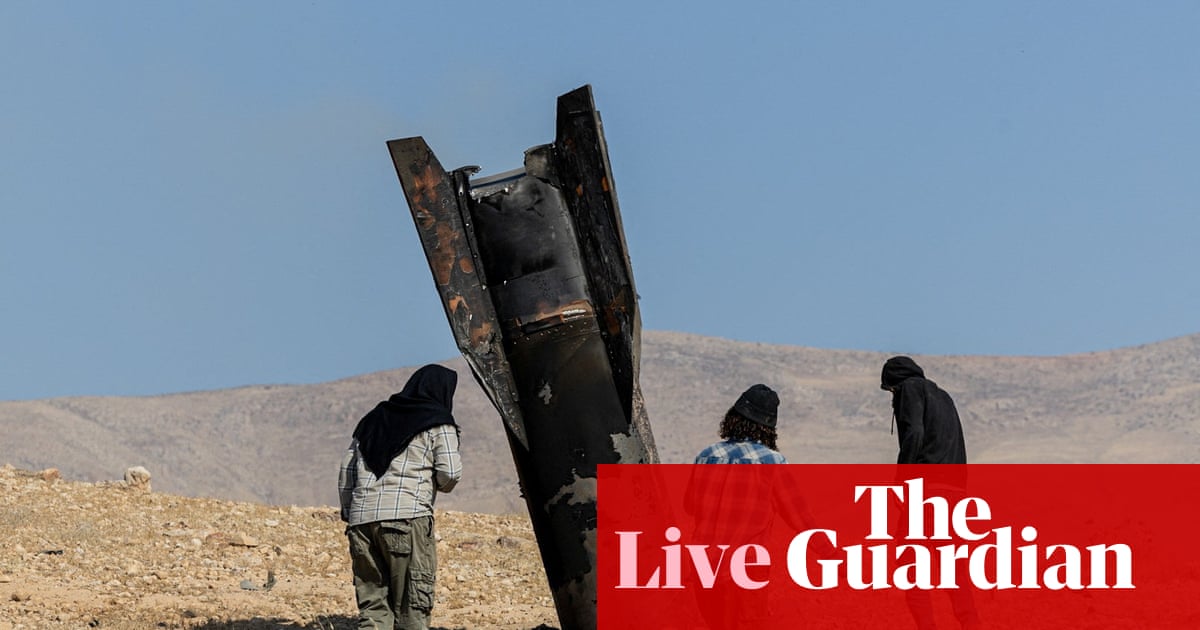
The exchange began when Iran launched multiple missile barrages targeting central and northern Israel. According to Iranian leadership, these strikes were retaliation for Israeli attacks on Hezbollah positions in Beirut's southern suburbs, where the Iran-backed militia maintains its sphere of influence. Israel's air defense systems intercepted the incoming Iranian missiles, with debris reportedly falling in Jordan. No casualties were initially reported from the Iranian strikes.
Israel responded with airstrikes against multiple targets across Iran. Confirmed among these was an attack on a petrochemical complex belonging to the Karun Petrochemical Company in Mahshahr, southwestern Iran. Both the Israeli military and Iranian media confirmed this strike on the facility in Khuzestan Province. An Iranian security official reported damage to parts of the installation, though the full extent of the damage was not immediately specified.
Iran's Islamic Revolutionary Guard Corps confirmed that Israeli missiles had struck several targets inside Iranian territory. According to the IRGC, Israel used air-launched ballistic missiles against locations on Iranian soil. Iran's Khatam al-Anbiya Central Headquarters warned Israel against continuing attacks on southern Lebanon and Beirut's southern suburbs, threatening what it described as more severe and destructive responses if escalation continued.
Particularly significant is that these attacks occurred despite direct interventions from President Trump. Trump had publicly called on Israel to show restraint and reportedly communicated privately with Israeli Prime Minister Benjamin Netanyahu, advising against immediate retaliation. Israel's disregard for these appeals represents a challenge to Trump's authority in the region and demonstrates the limits of American influence.
The exchange marks the first direct military confrontation between Israel and Iran since the ceasefire agreed in April after weeks of fighting. This truce had been established following US and Israeli strikes on Iran on February 28. Recent weeks had seen fruitless negotiations aimed at bringing about a definitive end to the regional war that had engulfed the Middle East.
Trump indicated readiness to consider various options should negotiations with Iran fail. Reports suggest the US president is even contemplating commando operations as an alternative to diplomatic solutions. Simultaneously, Trump emphasized that the current round of escalation between Israel and Iran would not affect the US-Iran negotiation process.
The escalation has raised serious concerns about a return to comprehensive regional warfare. Yemen's Houthi rebels, also backed by Iran, warned they would target Israeli-affiliated ships in the Red Sea. Israel's ambassador to Washington warned in turn that if Hezbollah launches attacks on Israel, the country would respond by striking the group's command centers in Beirut's southern suburbs with full force.
The international community is watching developments with great concern. Iran's foreign ministry spokesperson Esmail Baghaei held the United States directly responsible for recent ceasefire breaches, stating that Israel's military actions cannot be separated from US policies. He emphasized that the actions of what he termed the "Zionist entity" within the region cannot be viewed in isolation from American involvement.
The situation remains highly volatile as both sides have threatened further retaliatory measures. Israeli Chief of Staff Eyal Zamir and senior commanders were reported to be monitoring ongoing strikes against Iran from an airbase, with Israeli forces remaining on alert and prepared to operate on all fronts. Meanwhile, flights resumed at Ben Gurion Airport after the immediate threat subsided, though tensions continue to simmer.
The fragile ceasefire now appears seriously endangered, with the potential for the conflict to drag the wider Middle East back into full-scale regional war. The exchange represents the most serious escalation between the two adversaries since April and threatens hopes for a comprehensive peace deal that had been under negotiation in recent weeks.
Fast take
Israel and Iran exchanged direct military attacks on Monday for the first time since an April ceasefire, marking a significant escalation of tensions in the Middle East despite public calls for restraint from US President Donald Trump.
NOFRAME signal
Medium divergence · 16 Sources · 5 Regions
What remains open
Coverage is not fully split, but it is not identical either. That makes the comparison useful: the fact base shows the common core, while the perspectives show where political, regional, or institutional priorities change the emphasis.
Dossier compass
Which media spaces carry the story and how broad the source base is.
Source mix
Underlit angles
- Detailed military assessment of damages
- Specific impacts on energy markets
- Comprehensive regional implications
Open originals
Go straight to the linked articles. NOFRAME does not replace those sources.
Why it matters
Coverage is not fully split, but it is not identical either. That makes the comparison useful: the fact base shows the common core, while the perspectives show where political, regional, or institutional priorities change the emphasis.
Timeline
NY Times World · June 8, 2026 at 07:45 AM
Mideast Live Updates: Iran and Israel Trade Strikes for the First Time Since April
TASS · June 8, 2026 at 07:45 AM
Explosions heard in central Israel after Iran launches another missile attack
The Guardian · June 8, 2026 at 07:45 AM
Middle East crisis live: Israel and Iran exchange fresh round of strikes for first time since April ceasefire
Al-Monitor · June 8, 2026 at 08:00 AM
Israel, Iran trade fire for first time since truce