Kazakhstan has indicated its willingness to store Iran's enriched uranium stockpile as part of a potential nuclear agreement between the United States and Iran, according to Rafael Grossi, Director General of the International Atomic Energy Agency (IAEA). The proposal emerged during discussions between Grossi and Kazakh President Kassym-Jomart Tokayev in Astana this week.
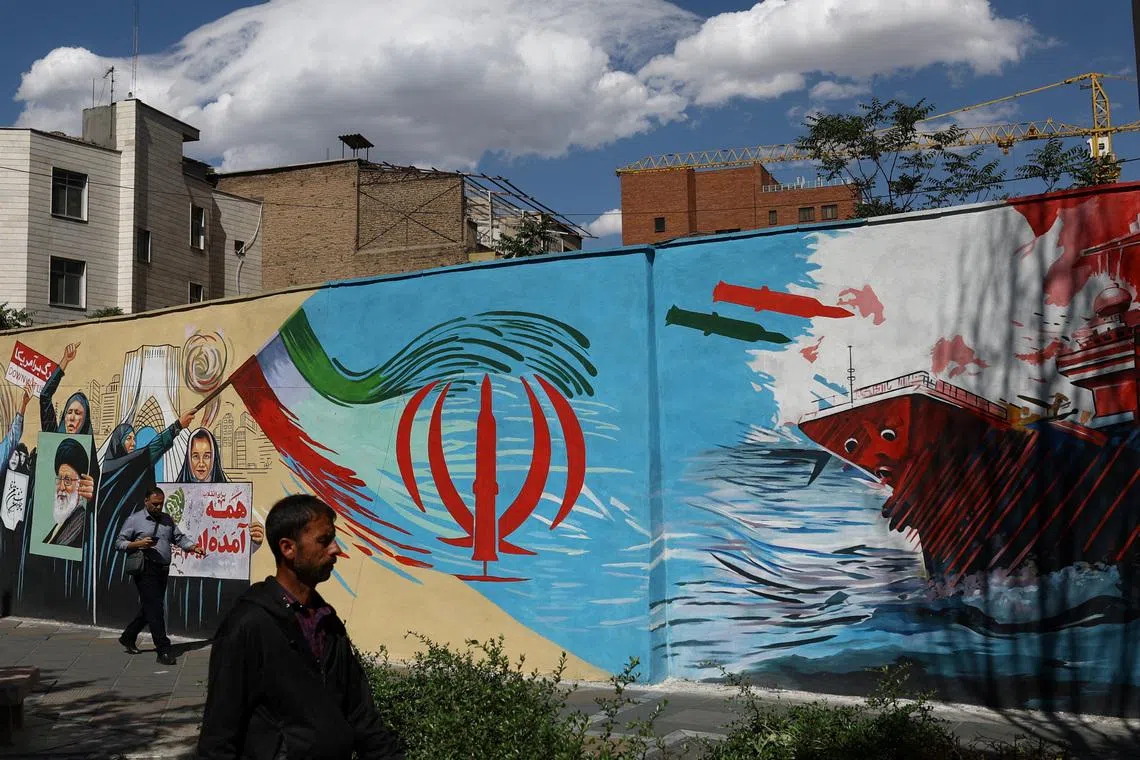
The offer comes at a critical juncture as Iran and the United States are reportedly engaged in discussions to extend their current ceasefire arrangement, creating space for broader negotiations on Tehran's nuclear program. Washington maintains its firm position that Iran must not be permitted to develop nuclear weapons capabilities.
Iran's highly enriched uranium stockpile represents Tehran's strongest bargaining chip in upcoming nuclear talks. While much of Iran's uranium enrichment infrastructure was severely damaged or destroyed during airstrikes in June, significant quantities of previously enriched material are believed to have survived the attacks. This surviving stockpile constitutes the primary US concern heading into nuclear negotiations.
Kazakhstan, which possesses substantial uranium reserves and plays a significant role in the global nuclear industry, has previously served as a mediator in international nuclear arrangements. The country voluntarily gave up its nuclear weapons arsenal following the Soviet Union's collapse and is widely regarded as a trustworthy partner in nuclear matters.
The Kazakh offer to host Iranian enriched uranium could provide a practical solution to one of the most complex issues in nuclear negotiations. Such arrangements have been employed previously to reduce proliferation risks while allowing countries to maintain civilian nuclear programs. The proposal reflects Kazakhstan's continued commitment to nuclear non-proliferation and regional stability.
These developments follow months of intensive diplomatic activity after military confrontations between Iran, Israel, and the United States destabilized the region. The current ceasefire has created an opportunity for diplomatic solutions that all parties appear eager to explore.
The timing is particularly significant given reports that rebuilding US weapons stockpiles following recent conflicts will require at least two years, according to defense analysts. This timeline adds pressure for diplomatic solutions as military options become increasingly costly and complex.
Iran's nuclear program has been a source of international concern for years, with Tehran gradually increasing its uranium enrichment levels beyond limits set in previous agreements. The country has maintained that its nuclear activities are for peaceful purposes, while international observers have expressed concerns about potential weapons development.
The international community is closely monitoring these developments, as a successful agreement on Iran's nuclear program could have far-reaching implications for regional stability and global non-proliferation efforts. Kazakhstan's role as a neutral mediator could prove crucial to the success of any future negotiations.
Previous nuclear agreements have demonstrated the complexity of managing enriched uranium stockpiles while maintaining verification and monitoring capabilities. The involvement of a third-party country like Kazakhstan could provide the necessary trust and oversight mechanisms to make such an arrangement viable for all parties involved.
Fast take
Kazakhstan has indicated its willingness to store Iran's enriched uranium stockpile as part of a potential nuclear agreement between the United States and Iran, according to Rafael Grossi, Director General of the International Atomic Energy Agency (IAEA).
NOFRAME signal
Medium divergence · 5 Sources · 3 Regions
What remains open
Coverage is not fully split, but it is not identical either. That makes the comparison useful: the fact base shows the common core, while the perspectives show where political, regional, or institutional priorities change the emphasis.
Dossier compass
Which media spaces carry the story and how broad the source base is.
Source mix
Underlit angles
- Details about Kazakhstan's role as neutral mediator
- Historical context of Kazakhstan's nuclear policy
- Kazakhstan's specific offer to store uranium
Open originals
Go straight to the linked articles. NOFRAME does not replace those sources.
Why it matters
Coverage is not fully split, but it is not identical either. That makes the comparison useful: the fact base shows the common core, while the perspectives show where political, regional, or institutional priorities change the emphasis.
Timeline
Middle East Eye · May 29, 2026 at 04:45 PM
Kazakhstan open to storing Iran's enriched uranium in nuclear deal
Straits Times · May 29, 2026 at 06:04 PM
Explainer-Iran's strongest card in nuclear talks: its highly enriched uranium
Al-Monitor · May 29, 2026 at 06:36 PM
Explainer-Iran's strongest card in nuclear talks: its highly enriched uranium
NDTV World · May 29, 2026 at 06:51 PM
Kazakhstan Offers To Take Iran's Uranium Stockpile: Report