A 38-year-old man was killed in a great white shark attack off the coast of Western Australia on Friday morning. The fatal incident occurred just before 10:00 local time at Horseshoe Reef, a popular diving and fishing location northwest of the tourist destination Rottnest Island near Perth.
According to local police, the victim was bitten by a great white shark that witnesses described as approximately 13 feet (4 meters) in length. Emergency services responded immediately to the scene but could only confirm the man's death upon arrival. The identity of the victim has not yet been released by authorities.
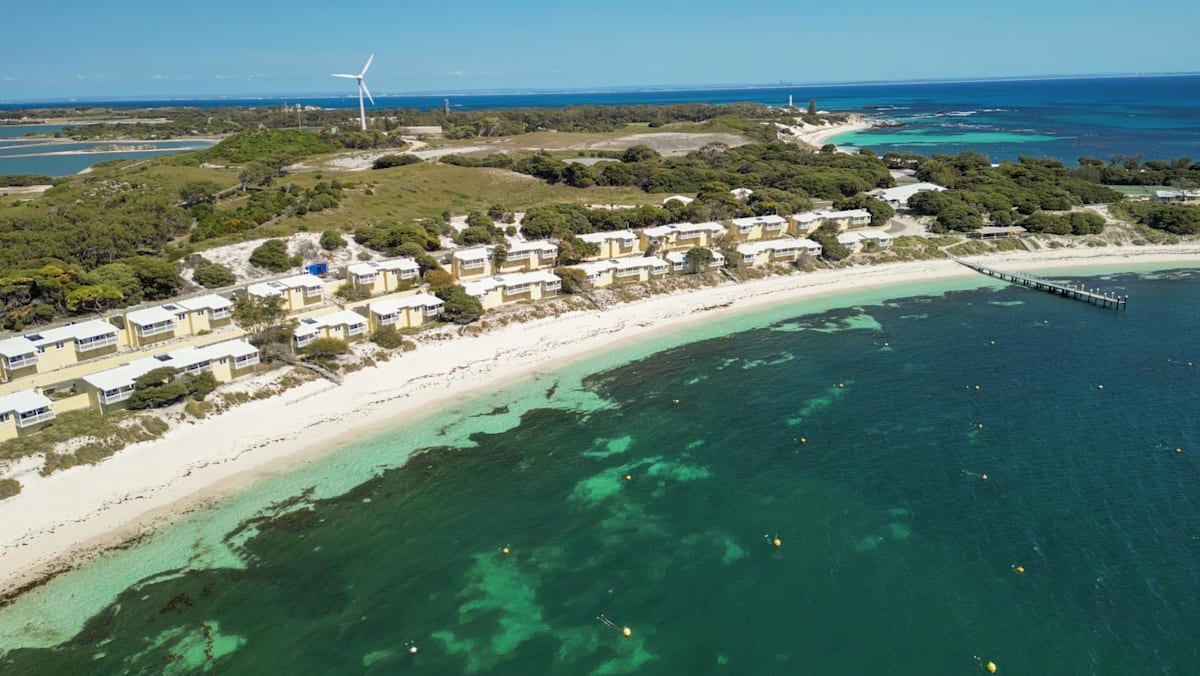
Horseshoe Reef is considered one of the premier spots for water activities in the Perth region. The waters around Rottnest Island attract thousands of divers, snorkelers, and anglers annually, drawn by the area's rich marine life and crystal-clear waters. The island is located approximately 18 kilometers off the coast of Perth and serves as a major tourist destination in Western Australia.
Australia records some of the world's highest rates of shark incidents. Available data shows nearly 1,300 documented shark encounters in Australian waters since 1791, with more than 260 resulting in fatalities. These statistics highlight the ongoing presence of sharks in the continent's coastal waters and the inherent risks associated with marine activities.
Australian marine scientists attribute the frequency of shark encounters to several evolving factors. Researchers believe that increasingly crowded waters and rising ocean temperatures may be influencing sharks' natural migration patterns. These environmental changes could be contributing to more frequent encounters between sharks and humans in popular recreational areas.
Climate change and associated shifts in ocean temperatures have demonstrable effects on marine species distribution. Warmer waters can attract prey fish to different areas, causing predatory species like sharks to leave their traditional hunting grounds and explore new territories. Simultaneously, the growing popularity of water sports and recreational activities has led to increased human presence in coastal waters.
The changing ocean conditions may be disrupting established ecological patterns that have historically kept shark populations in specific regions. As water temperatures rise, the distribution of fish species that sharks prey upon shifts, potentially bringing these apex predators into closer contact with human activity zones. This ecological disruption represents a complex challenge for marine management and public safety.
Western Australia has experienced several fatal shark attacks in recent years. Authorities have implemented various measures to monitor and protect water users, including shark warning systems and increased patrols in popular swimming areas. However, such incidents remain an ongoing challenge for coastal safety management.
The attack occurred in an area known for its exceptional marine biodiversity, which naturally includes apex predators like great white sharks. Rottnest Island's waters are part of a larger marine ecosystem that supports various shark species, making complete elimination of risk impossible while maintaining the area's natural character.
Local authorities have not yet announced whether additional safety measures will be implemented in the affected area following this incident. Shark attacks remain statistically rare but generate significant public attention due to their severe consequences. Such events regularly reignite discussions about appropriate protection measures and shark population management in Australian waters, balancing public safety concerns with marine conservation efforts.
Fast take
A 38-year-old man was killed in a great white shark attack off the coast of Western Australia on Friday morning.
NOFRAME signal
Stable coverage · 5 Sources · 4 Regions
What remains open
The source picture is relatively consistent. That still makes the details worth reading: small differences in wording, omissions, and source selection can reveal what each region treats as important.
Dossier compass
Which media spaces carry the story and how broad the source base is.
Source mix
Underlit angles
- Scientific explanations about climate change and shark migration patterns
- Detailed description of shark size
- Specific attack details
Open originals
Go straight to the linked articles. NOFRAME does not replace those sources.
Why it matters
The source picture is relatively consistent. That still makes the details worth reading: small differences in wording, omissions, and source selection can reveal what each region treats as important.
Timeline
TRT World · May 16, 2026 at 06:54 AM
Great white shark kills man off western Australia
BBC World · May 16, 2026 at 07:04 AM
Man killed by 13ft great white shark in Western Australia
Al Jazeera · May 16, 2026 at 07:13 AM
Man killed in great white shark attack in western Australia
Channel News Asia · May 16, 2026 at 07:34 AM
Man killed by great white shark in western Australia