More than five years after the assassination of Haitian President Jovenel Moïse, US officials have announced that 18 suspects have been extradited from Haiti to the United States. The men are expected to stand trial in a federal court in Miami, Florida, bringing renewed international attention to a case that has plunged Haiti into prolonged political turmoil.
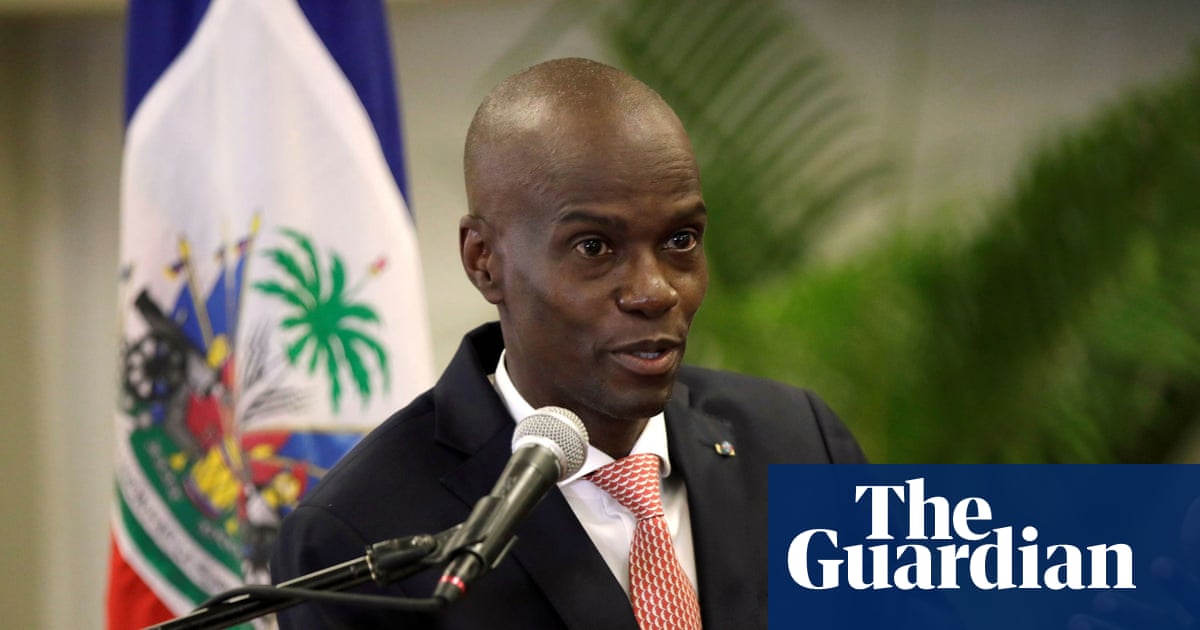
Jovenel Moïse, then 53 years old, was shot dead at his private residence on July 7, 2021. According to investigators, the killing was carried out by a hired group of roughly 20 military-trained Colombian mercenaries who had been specifically recruited for the attack. Notably, Moïse's personal security detail did not intervene during the assault, a detail that has fueled speculation about possible complicity within his protective apparatus, although no definitive conclusions on this point have been publicly established.
The newly announced extraditions are part of a broader, years-long investigation led by the US Federal Bureau of Investigation. The agency stated that the latest arrests, carried out across multiple locations and countries, underscore its continued commitment to bringing all participants in the plot to justice. US investigators believe that parts of the assassination's planning were coordinated from American soil, which underpins the jurisdiction of a US federal court over the case.
The case is considered one of the most complex transnational criminal investigations in recent years. Individuals implicated span Colombia, Haiti, and the United States, pointing to an extensive network of alleged organizers, intermediaries, and operatives. It remains publicly unclear who ultimately masterminded the attack or what motives drove it. The sources of financing behind the operation also remain subject to ongoing investigation.
While the US case is now entering a more active phase, the situation in Haiti itself is described very differently. Reports indicate that Haiti's own judicial proceedings related to the assassination have moved slowly. This is attributed in part to the country's unstable political and security situation, which has been marked by persistent violence, weak state institutions, and overwhelmed governance capacity since Moïse's death.
Moïse's assassination had far-reaching consequences for Haiti. The country, which was already grappling with economic and political crises before the killing, descended into deeper instability afterward. A power vacuum, the growing influence of armed groups, and repeated political crises have characterized the Caribbean nation's trajectory since.
With the trial now proceeding in Florida, many observers are watching whether the US case can shed more light on the assassination's background than has been achieved in Haiti so far. It remains unclear whether additional suspects will be identified or further extraditions will follow. The question of how the trial's outcome might affect Haiti's political situation also remains unanswered for now.
Authorities have emphasized that investigations are ongoing. For many observers, the case stands as a test of whether international cooperation can produce tangible judicial results in one of the most closely watched political assassination cases in recent history.
Fast take
More than five years after the assassination of Haitian President Jovenel Moïse, US officials have announced that 18 suspects have been extradited from Haiti to the United States.
NOFRAME signal
Stable coverage · 5 Sources · 4 Regions
What remains open
The source picture is relatively consistent. That still makes the details worth reading: small differences in wording, omissions, and source selection can reveal what each region treats as important.
Dossier compass
Which media spaces carry the story and how broad the source base is.
Source mix
Underlit angles
- Details on Haiti's instability following the assassination
- Background on the composition of the mercenary group
- Status of the parallel proceedings in Haiti
Open originals
Go straight to the linked articles. NOFRAME does not replace those sources.
Why it matters
The source picture is relatively consistent. That still makes the details worth reading: small differences in wording, omissions, and source selection can reveal what each region treats as important.
Timeline
Al Jazeera · September 20, 2026 at 10:31 PM
Eighteen suspects extradited to US over Haitian president’s 2021 killing
NY Times World · September 21, 2026 at 12:20 AM
Thirty More Arrested in Jovenel Moïse Assassination
South China MP · September 21, 2026 at 01:52 AM
US extradites 18 suspects in 2021 killing of Haitian president
India Today · September 21, 2026 at 01:58 AM
18 Moise assassination suspects extradited to US as Haiti case stalls