NASA reversed an evacuation order for five astronauts aboard the International Space Station on Friday after a worsening air leak in the Russian segment of the orbital laboratory was brought under control. The crew spent approximately two hours sheltering in their SpaceX Crew Dragon spacecraft while Russian cosmonauts worked to address the leak.
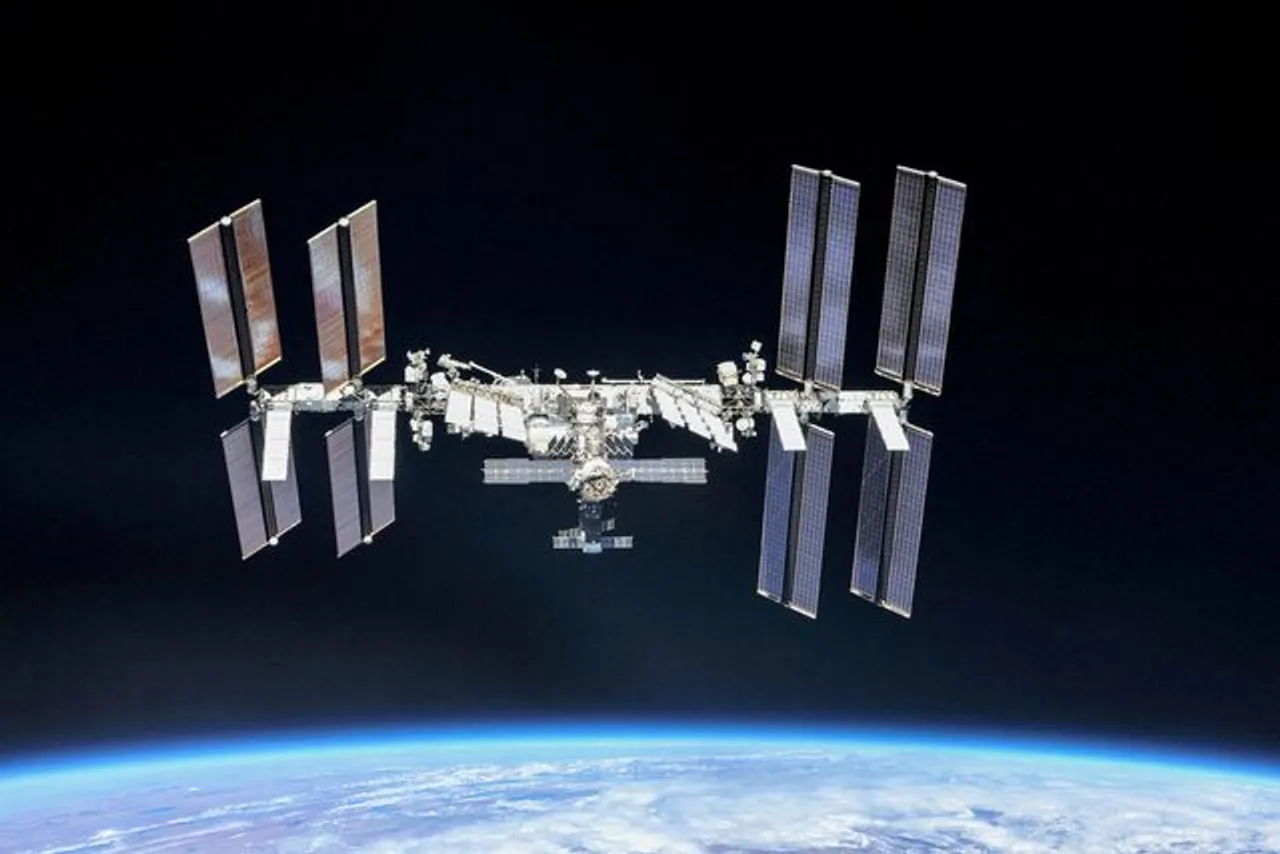
At 9:04 AM ET (1304 GMT) on Friday, NASA mission control ordered the four astronauts of the Crew-12 mission along with another US astronaut to enter the SpaceX-built Crew Dragon spacecraft docked to the station and prepare for possible emergency evacuation. The Crew-12 mission consists of two American astronauts, one French astronaut, and one Russian cosmonaut.
The air leak is located in the Russian Zvezda service module, one of the oldest components of the space station. This issue has been known to space agencies for months, but significantly worsened in recent days. While the leaks had been relatively minor in recent months, the air loss escalated on Monday from approximately one pound per day to two pounds daily.
NASA spokesperson Bethany Stevens emphasized that the agency continued to work closely with its Russian counterparts, along with the rest of the international community that supports the space station. The cooperation between various space agencies remained intact despite the technical challenges.
After approximately two hours of intensive repair work, the Russian cosmonauts apparently succeeded in stabilizing the problem. NASA then issued an all-clear and instructed the crew to end the safe haven procedures and return to planned operations aboard the International Space Station.
The incident highlights ongoing challenges in operating the aging space station, which has been continuously crewed for over two decades. Particularly the Russian segments of the station, which are among the oldest components, increasingly require maintenance and repairs. The Zvezda module was launched in 2000 and serves as the main living quarters for the Russian crew.
Such air leaks, while not uncommon in spaceflight, must be taken seriously as they can endanger crew safety. The International Space Station has multiple safety systems and emergency protocols for such situations. The docked spacecraft, such as the SpaceX Crew Dragon, serve as lifeboats in case of emergency evacuation.
The successful management of the situation demonstrates both the effectiveness of emergency procedures and the importance of international cooperation in space. Despite geopolitical tensions on Earth, the space agencies of the United States, Russia, Europe, Japan, and Canada continue to work together in operating the ISS.
However, questions remain about the future of the space station. The ISS is approaching the end of its planned operational lifetime, and the increasing technical problems, particularly in the older Russian segments, highlight the challenges of long-term operation in space. NASA and its international partners are already working on plans for commercial successor stations that will replace the ISS in the coming years.
The current crew aboard the station represents the ongoing international collaboration that has characterized the ISS program since its inception. The successful resolution of Friday's emergency without requiring actual evacuation demonstrates the robustness of both the station's safety systems and the training of its crew members.
This incident also underscores the critical importance of the SpaceX Crew Dragon and other commercial crew vehicles that now serve as the primary means of crew transportation to and from the ISS. These spacecraft not only provide regular crew rotation capabilities but also serve as essential safety equipment for emergency situations like the one that occurred on Friday.
Fast take
NASA reversed an evacuation order for five astronauts aboard the International Space Station on Friday after a worsening air leak in the Russian segment of the orbital laboratory was brought under control.
NOFRAME signal
Medium divergence · 8 Sources · 4 Regions
What remains open
Coverage is not fully split, but it is not identical either. That makes the comparison useful: the fact base shows the common core, while the perspectives show where political, regional, or institutional priorities change the emphasis.
Dossier compass
Which media spaces carry the story and how broad the source base is.
Source mix
Underlit angles
- Long-term implications for ISS future
- Geopolitical tensions between partners
- Technical details of repair process
Open originals
Go straight to the linked articles. NOFRAME does not replace those sources.
Why it matters
Coverage is not fully split, but it is not identical either. That makes the comparison useful: the fact base shows the common core, while the perspectives show where political, regional, or institutional priorities change the emphasis.
Timeline
Daily Sabah · June 5, 2026 at 04:09 PM
NASA orders ISS crew to evacuate after Russian module air leak
TRT World · June 5, 2026 at 04:24 PM
International Space Station astronauts resume duties after evacuation order. Here is what happened
Dawn · June 5, 2026 at 04:47 PM
Nasa reverses evacuation alert order for astronauts aboard International Space Station
Geo News · June 5, 2026 at 05:00 PM
International space station alert explained: What caused air leak, what can happen if it doesn't stop