A new Ebola outbreak spanning the Democratic Republic of Congo and Uganda has generated over 1,100 suspected cases according to African health authorities, presenting the international community with a serious public health challenge.
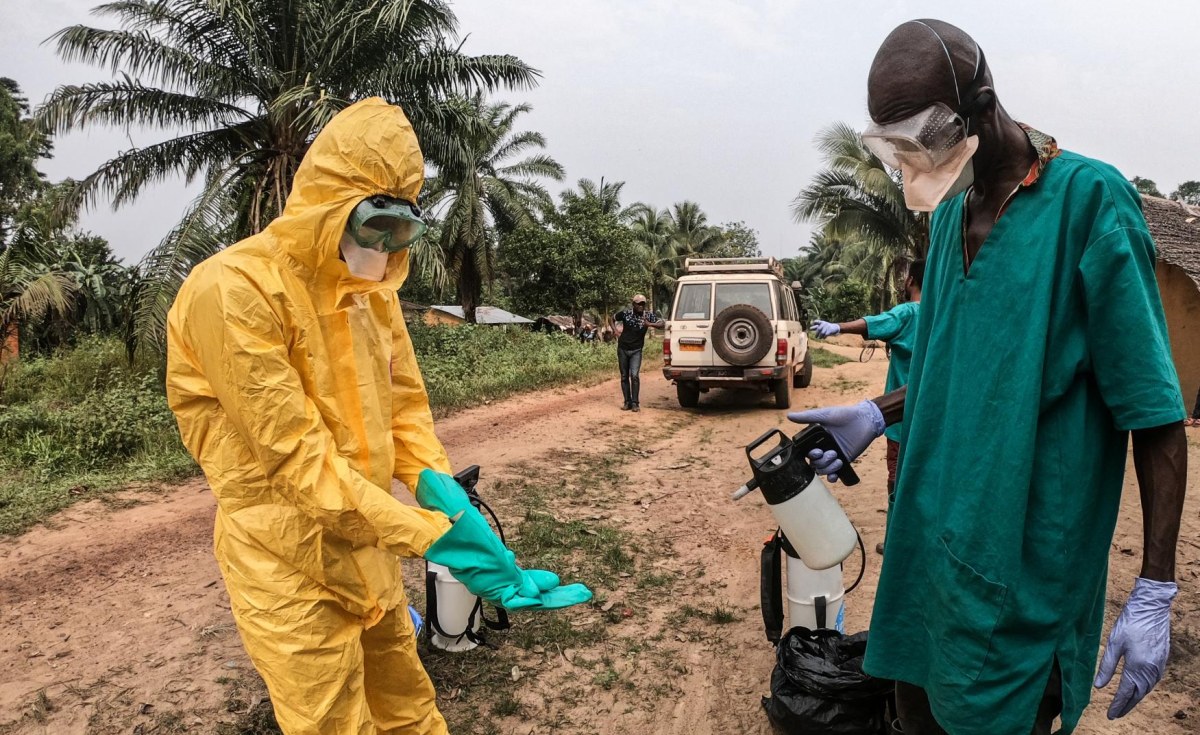
The Africa Centers for Disease Control and Prevention (Africa CDC) confirmed the alarming figures, documenting a significant surge in Ebola cases across the region. The outbreak has already claimed lives, including tragically among medical personnel who were working to treat patients. One doctor who died treating Ebola patients in the DR Congo was buried amid widespread mourning for his sacrifice.
The United States has positioned itself as a leading force in the international response to the outbreak. The U.S. State Department is coordinating closely with the Centers for Disease Control and Prevention (CDC) to mount a rapid and comprehensive response to the crisis. The United States has established itself as the largest financial contributor to Ebola response efforts, demonstrating its commitment to containing the virus's spread.
Parallel to developments in Africa, Brazilian health authorities are investigating two suspected cases of Ebola infection, raising international concerns about possible virus spread beyond Africa. A man in Brazil's São Paulo state who was initially considered a suspected Ebola case tested positive for meningitis instead. Meanwhile, another suspected case has emerged in Rio de Janeiro state, with both patients showing Ebola-like symptoms being held in isolation.
Should the Brazilian cases be confirmed as genuine Ebola infections, they would represent the first confirmed cases outside Africa since the current outbreak began in the DR Congo. This possibility has prompted international health authorities to strengthen their surveillance and prevention measures.
The current outbreak recalls previous Ebola epidemics that had devastating impacts on affected communities. The Ebola virus is highly contagious and has a high mortality rate, requiring swift and coordinated response measures. The World Health Organization and other international organizations are working closely with local authorities to contain the spread.
Particularly concerning is the death of healthcare personnel fighting the virus on the front lines. These losses not only weaken the health system's response capacity but may also lead to reduced willingness among other healthcare workers to treat patients.
The international community faces the challenge of both managing the immediate crisis in Africa and ensuring the virus does not spread to other continents. Monitoring travelers from affected areas and providing adequate medical resources are crucial components of the global response strategy.
Public health experts emphasize the importance of rapid case identification, contact tracing, and community engagement in controlling Ebola outbreaks. The virus spreads through direct contact with bodily fluids of infected individuals, making proper isolation and protective equipment essential for healthcare workers and communities.
The outbreak's scale, with over 1,100 suspected cases, indicates the need for sustained international support and coordination to prevent further escalation and protect both regional and global health security.
Fast take
A new Ebola outbreak spanning the Democratic Republic of Congo and Uganda has generated over 1,100 suspected cases according to African health authorities, presenting the international community with a serious public health challenge.
NOFRAME signal
Stable coverage · 6 Sources · 4 Regions
What remains open
The source picture is relatively consistent. That still makes the details worth reading: small differences in wording, omissions, and source selection can reveal what each region treats as important.
Dossier compass
Which media spaces carry the story and how broad the source base is.
Source mix
Underlit angles
- Overall suspected case numbers
- International response measures
- Details about African situation
Open originals
Go straight to the linked articles. NOFRAME does not replace those sources.
Why it matters
The source picture is relatively consistent. That still makes the details worth reading: small differences in wording, omissions, and source selection can reveal what each region treats as important.
Timeline
Straits Times · May 31, 2026 at 04:25 PM
Brazil probes two suspected Ebola cases as patients test positive for other diseases
Punch Nigeria · May 31, 2026 at 05:54 PM
Over 1,100 suspected Ebola cases in DR Congo, Uganda — Africa CDC
BBC World · May 31, 2026 at 07:07 PM
Brazil monitors two patients for possible Ebola infection
Channel News Asia · May 31, 2026 at 07:10 PM
Two patients with Ebola-like symptoms in isolation in Brazil