Pakistani airstrikes on Afghan territory have killed at least 13 people and wounded 14 others, according to Taliban government officials in Kabul. Taliban spokesperson Zabihullah Mujahid reported that eleven children were among those killed, while women and children were also among the wounded. The attacks targeted border provinces in Afghanistan and represent the latest escalation in ongoing tensions between the two neighboring countries.
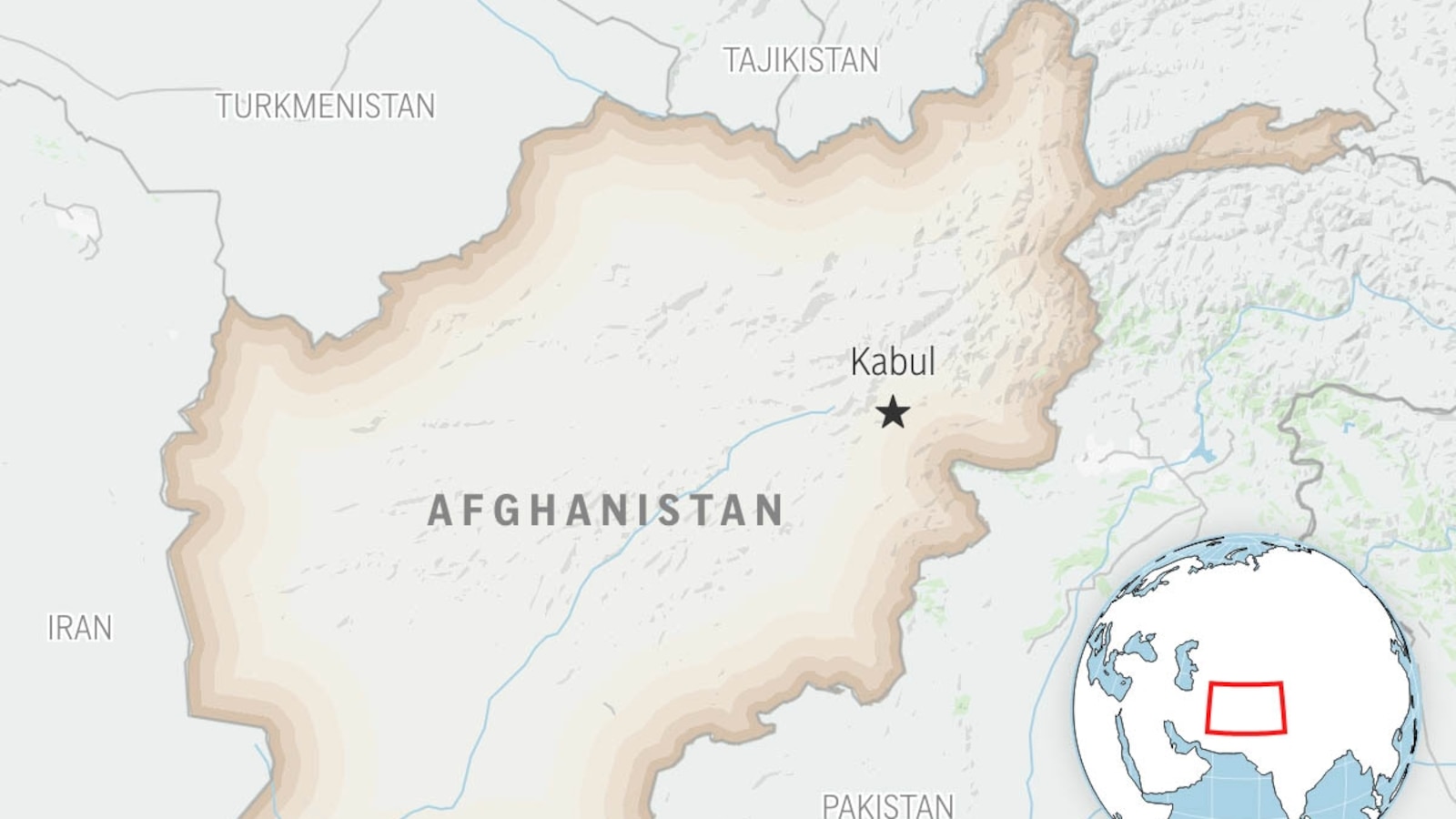
Pakistan has not yet issued any official statement or comment regarding the airstrikes or the allegations made by Afghan authorities. The attacks mark a significant deterioration in the situation along the Pakistan-Afghanistan border after a period of relative calm in recent weeks. The Taliban government strongly condemned the strikes, describing them as a violation of Afghan sovereignty and calling for accountability.
The current airstrikes are the deadliest in weeks and bring to an end a period of relative quiet that had followed intense border conflicts in February 2024. During that time, fierce fighting erupted along the frontier between the two countries, leading to an unprecedented escalation that significantly strained diplomatic relations. The conflicts resulted in substantial casualties and further complicated the already tense relationship between Islamabad and the Taliban government in Kabul.
Pakistan has repeatedly accused Afghanistan of harboring terrorists and militant groups that allegedly plan and execute attacks on Pakistani soil from Afghan territory. These accusations form the core of the persistent tensions between the two nations. Islamabad argues that the Taliban government is not doing enough to prevent terrorist activities in border areas and feels compelled to take preemptive measures to protect its own security interests.
The violence along the Pakistan-Afghanistan border has already exacted a heavy toll on human lives this year. A United Nations report published last month documented the alarming extent of civilian casualties: at least 372 Afghan civilians were killed and another 397 wounded in the first three months of this year alone. These figures highlight the devastating impact of cross-border conflicts on civilian populations and underscore the urgent need for a peaceful resolution.
The border region between Pakistan and Afghanistan has been characterized by instability for decades. The rugged, mountainous terrain provides refuge for various militant groups and makes effective control by respective governments extremely challenging. After the Taliban's return to power in Afghanistan in 2021, many hoped for a stabilization of the situation, but reality has painted a different picture of continued volatility and conflict.
The Taliban government faces the difficult task of establishing control over the entire Afghan territory while simultaneously working to stabilize relations with neighboring countries. Pakistan, which played a complex role during Afghanistan's decades-long conflicts, now finds itself confronting security threats that it attributes to the Taliban's alleged inability to control militant groups operating within Afghan borders.
The international implications of these developments are considerable and far-reaching. The ongoing instability in the region complicates efforts toward political solutions and economic development in Afghanistan. Simultaneously, tensions between Pakistan and Afghanistan strain regional security structures and could potentially affect other countries in the broader region, creating a ripple effect of instability.
The humanitarian consequences of the continued violence cannot be overlooked. Civilian populations, particularly in border areas, bear the brunt of these conflicts, facing displacement, loss of life, and destruction of livelihoods. The high number of children among the casualties in the latest strikes highlights the indiscriminate nature of the violence and its impact on the most vulnerable populations.
Diplomatic efforts to address the underlying issues have so far yielded limited results. The lack of formal diplomatic recognition of the Taliban government by most countries, including Pakistan, complicates bilateral engagement and makes it difficult to establish effective communication channels for conflict resolution. This diplomatic vacuum contributes to the cycle of violence and retaliation.
Experts warn of further escalation if diplomatic solutions are not found urgently. The current attacks raise serious questions about the future of bilateral relations and demonstrate how fragile the security situation in the region remains. Without coordinated international efforts to de-escalate tensions and address underlying problems, the situation could deteriorate further, potentially leading to more civilian casualties and regional instability that could have implications far beyond the immediate border area.
Fast take
Pakistani airstrikes on Afghan territory have killed at least 13 people and wounded 14 others, according to Taliban government officials in Kabul.
NOFRAME signal
Medium divergence · 6 Sources · 4 Regions
What remains open
Coverage is not fully split, but it is not identical either. That makes the comparison useful: the fact base shows the common core, while the perspectives show where political, regional, or institutional priorities change the emphasis.
Dossier compass
Which media spaces carry the story and how broad the source base is.
Source mix
Underlit angles
- Detailed background on previous escalations
- Specific UN casualty figures
- Pakistani perspective or justification
Open originals
Go straight to the linked articles. NOFRAME does not replace those sources.
Why it matters
Coverage is not fully split, but it is not identical either. That makes the comparison useful: the fact base shows the common core, while the perspectives show where political, regional, or institutional priorities change the emphasis.
Timeline
TASS · June 10, 2026 at 04:34 AM
Pakistan carries out strikes on Afghanistan, 13 people killed — Afghan authorities
Al Jazeera · June 10, 2026 at 05:04 AM
Afghanistan says Pakistan air raids killed 13 people, including children
TRT World · June 10, 2026 at 05:08 AM
Pakistani air strikes kill at least 13 in Afghanistan, Kabul says
ABC News · June 10, 2026 at 06:34 AM
Pakistani airstrikes in Afghanistan kill at least 13 people, Taliban official says