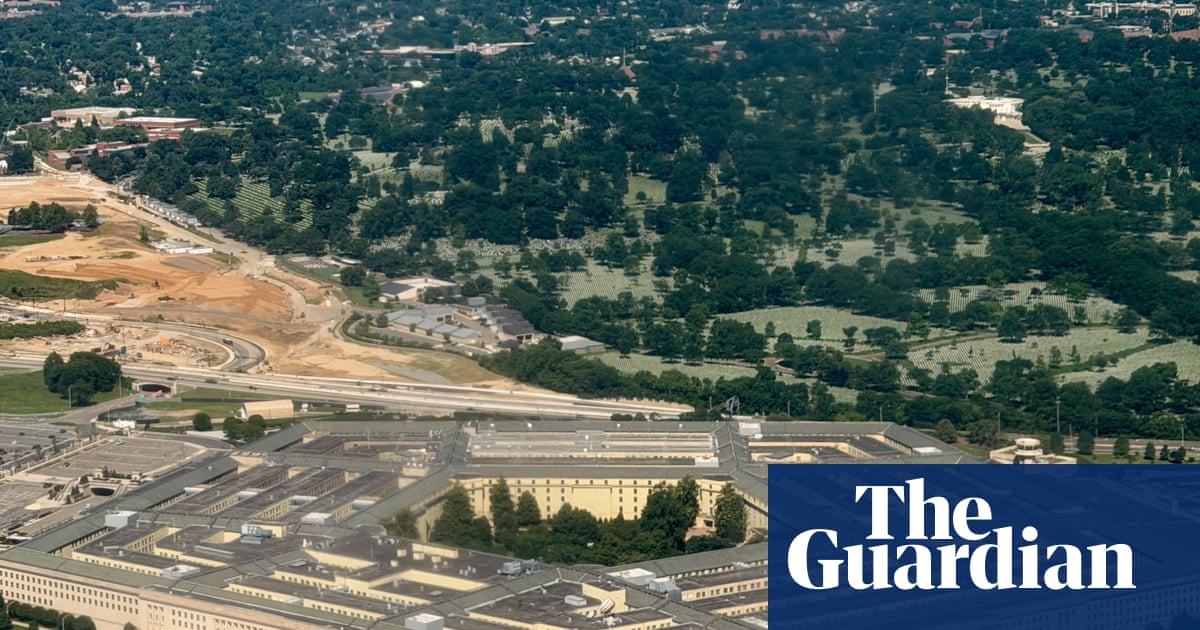
The Pentagon has barred journalists from entering its press office, citing the redesignation of the space as a classified area. The decision was confirmed by acting Pentagon press secretary Joel Valdez on social media and represents a significant change in the long-standing practice of media access at the U.S. Defense Department.
Valdez explained on platform X that the move was "nothing controversial" and resulted from speechwriters who handle classified material now occupying the space. "This is the most transparent war department in history. No amount of spin from the Fake News media will change that," Valdez wrote in his post. He added that the Pentagon Press Office had been redesignated as a classified space.
The Pentagon press office has served for decades as a central workspace for journalists covering the U.S. Defense Department. Reporters could work there, conduct interviews, and maintain direct contact with defense officials. The elimination of this access represents a substantial change in how media can monitor and report on Pentagon activities.
Media freedom advocates have sharply criticized the decision, calling it the latest attempt to curtail independent reporting on military affairs. They argue that such restrictions undermine the press's ability to inform the public about important defense matters. Critics view the measure as part of a pattern of increasing restrictions on media access.
The decision comes under the Trump administration, which has implemented various changes to the Defense Department's communication policies. This latest measure joins a series of modifications that affect how the Pentagon interacts with media and disseminates information to the public.
International media outlets have reported on the development, with different news organizations highlighting various aspects of the story. While some emphasize the security justification provided by Pentagon officials, others focus on the implications for press freedom and transparency.
The practical implications of the decision mean that journalists must now find alternative ways to access Pentagon officials and information. This could alter the nature of defense reporting and potentially impact the speed and depth of news coverage.
The move has drawn attention from media organizations worldwide, reflecting broader concerns about government transparency and press access. Various news outlets have covered the story from different angles, with some focusing on the administrative aspects while others emphasize the potential impact on journalism.
Pentagon officials maintain that the redesignation is part of standard security protocols rather than a deliberate attempt to restrict press freedom. They argue that the change reflects operational necessities related to the use of classified materials in the space.
It remains to be seen how this change will affect long-term relationships between the Pentagon and the media. The debate over balancing national security concerns with government transparency is likely to be further intensified by this development. Media organizations may explore legal or other options to maintain access to important sources of information in the defense sector.
The broader context of this decision includes ongoing discussions about the role of media in covering government activities and the extent to which security considerations should limit press access. This development adds another dimension to these ongoing debates about transparency and accountability in government institutions.
Fast take
The Pentagon has barred journalists from entering its press office, citing the redesignation of the space as a classified area.
NOFRAME signal
Medium divergence · 4 Sources · 3 Regions
What remains open
Coverage is not fully split, but it is not identical either. That makes the comparison useful: the fact base shows the common core, while the perspectives show where political, regional, or institutional priorities change the emphasis.
Dossier compass
Which media spaces carry the story and how broad the source base is.
Source mix
Underlit angles
- Pentagon's security justification
- Details about speechwriters using the space
- Criticism from media freedom advocates
Open originals
Go straight to the linked articles. NOFRAME does not replace those sources.
Why it matters
Coverage is not fully split, but it is not identical either. That makes the comparison useful: the fact base shows the common core, while the perspectives show where political, regional, or institutional priorities change the emphasis.
Timeline
NDTV World · June 1, 2026 at 11:59 PM
Pentagon Bars Journalists From Its Press Office
The Guardian · June 2, 2026 at 12:23 AM
Pentagon bars journalists from entering its press office citing re-designation
Al Jazeera · June 2, 2026 at 02:13 AM
US Defense Department bars journalists from its press office
The Hindu · June 2, 2026 at 02:27 AM
Pentagon bars journalists from its press office, saying it has become a classified space