Pope Leo XIV has released his inaugural encyclical titled 'Magnifica Humanitas' (Magnificent Humanity), a comprehensive manifesto addressing both artificial intelligence regulation and contemporary theories of warfare. The document marks a significant policy statement from the Vatican on pressing global challenges of the 21st century.
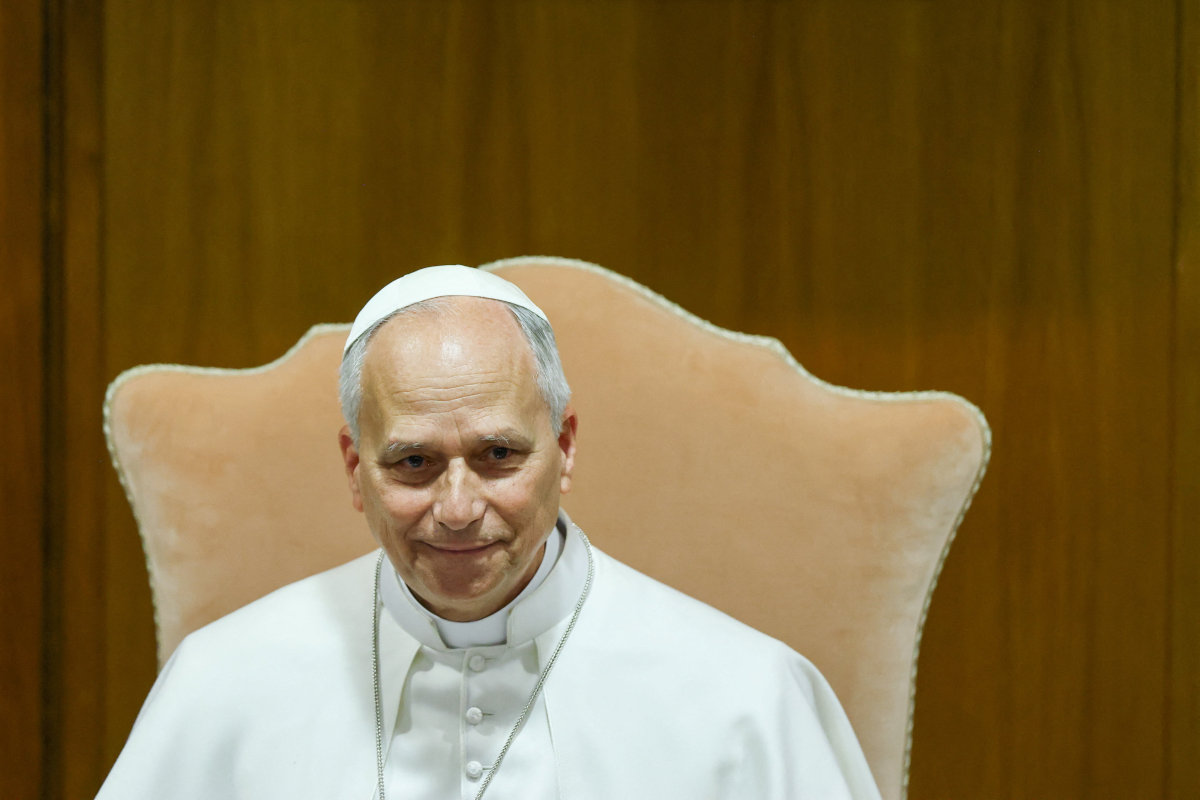
At the heart of the encyclical lies a call for robust regulation of artificial intelligence. The Pope warns that AI could fuel new forms of exploitation and 'digital colonialism', urging that data ownership should not remain solely in private hands. Leo XIV calls upon developers to prioritize the common good over profit and appeals to the global community to 'slow down' AI development. He specifically urges a cooling of competition between AI companies and calls for policymakers to protect workers' rights and keep children safe from the technology.
A particularly notable aspect of the encyclical is the Pope's historic apology for the Holy See's role in legitimizing slavery throughout history. This represents the first papal apology of its kind, demonstrating Leo XIV's willingness to confront the Church's problematic past. The apology is positioned within the context of his warnings about new forms of technological exploitation.
Regarding international conflicts, the US-born pontiff takes a decidedly anti-war stance. He describes the concept of 'just war', which has been advanced by the Trump administration, as 'outdated'. Leo XIV warns that 'humanity is slipping into a violent culture of power' and emphasizes that the just war theory has 'all too often been used to justify any kind of war'.
Despite his pacifist orientation, the Pope acknowledges the right to self-defense 'in the strictest sense'. This distinction demonstrates his nuanced approach to international security questions while rejecting broader justifications for military interventions.
The encyclical has already created tensions with Washington, as it directly challenges concepts supported by the US administration. As a native-born American, Leo XIV finds himself in the unique position of criticizing his homeland's policies, lending additional weight to his papal message.
Experts view 'Magnifica Humanitas' as a turning point in Vatican foreign policy that addresses both technological and geopolitical challenges. The document calls upon policymakers to safeguard workers' rights and protect children from AI-related dangers, while urging what the Pope terms the 'disarming' of artificial intelligence.
The international response to the document reveals different regional emphases: while Western media primarily highlight AI regulation and the slavery apology, Middle Eastern sources focus more heavily on criticism of US war theory. These varying emphases reflect regional priorities and political sensitivities.
The encyclical represents Leo XIV's vision of a more humane future where both technological progress and international relations serve humanity's welfare. The document spans issues from data ownership and worker protection to military ethics and historical accountability.
Analysts note that the Pope's comprehensive approach linking technology governance with traditional moral teachings represents a new model for papal encyclicals. By addressing AI alongside warfare and historical injustices, Leo XIV positions the Catholic Church as a critical voice in contemporary global debates.
With this first major teaching document, the new Pope establishes himself as a significant player in discussions about technology regulation, international conflict, and social justice. The encyclical's wide-ranging scope suggests that Leo XIV intends to engage actively with the most pressing issues facing humanity in the digital age.
Fast take
Pope Leo XIV has released his inaugural encyclical titled 'Magnifica Humanitas' (Magnificent Humanity), a comprehensive manifesto addressing both artificial intelligence regulation and contemporary theories of warfare.
NOFRAME signal
Medium divergence · 8 Sources · 4 Regions
What remains open
Coverage is not fully split, but it is not identical either. That makes the comparison useful: the fact base shows the common core, while the perspectives show where political, regional, or institutional priorities change the emphasis.
Dossier compass
Which media spaces carry the story and how broad the source base is.
Source mix
Underlit angles
- Detailed AI regulation proposals
- Technical aspects of digital governance
- War theory criticism
Open originals
Go straight to the linked articles. NOFRAME does not replace those sources.
Why it matters
Coverage is not fully split, but it is not identical either. That makes the comparison useful: the fact base shows the common core, while the perspectives show where political, regional, or institutional priorities change the emphasis.
Timeline
The Hindu · May 25, 2026 at 10:51 AM
Pope calls idea of 'just war' put forward by U.S. 'outdated' in first manifesto
Punch Nigeria · May 25, 2026 at 11:06 AM
Pope urges 'disarming' of artificial intelligence in major manifesto
TRT World · May 25, 2026 at 11:16 AM
Pope Leo XIV apologises for Vatican's role in legitimising slavery in landmark AI manifesto
Rappler · May 25, 2026 at 11:48 AM
Pope Leo urges world to ‘slow down’ on AI in fervent first manifesto