A Nazi-looted painting has been discovered in an extraordinary case involving the descendants of a Dutch SS collaborator, according to renowned art detective Arthur Brand. The artwork, titled 'Portrait of a Young Girl' by Dutch artist Toon Kelder, was part of the famous Goudstikker collection, one of the most significant art collections systematically plundered by Nazi forces during World War Two.
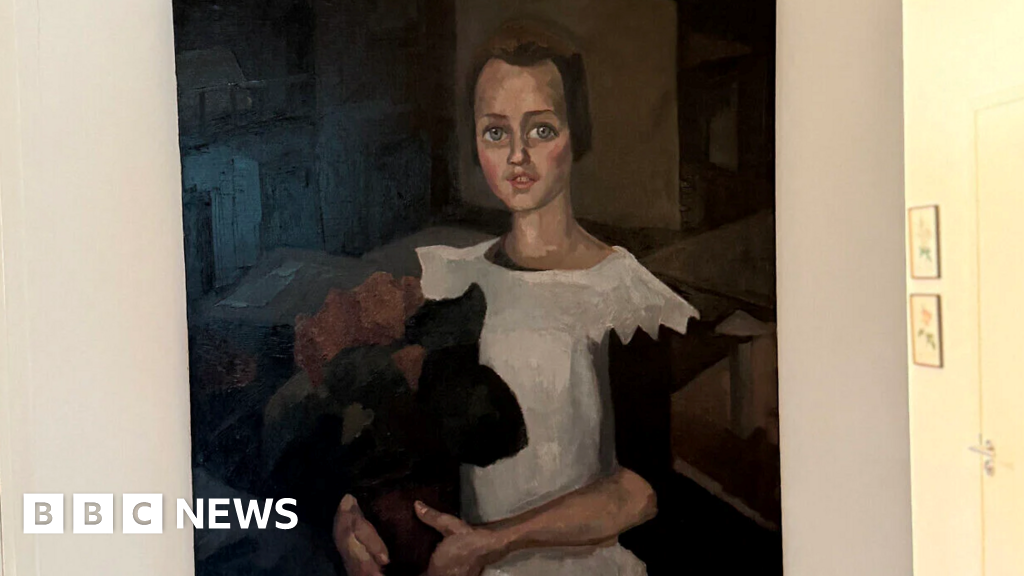
Brand, who is internationally recognized for his work in tracking down stolen artworks, described this discovery as 'the most bizarre case of my entire career'. The painting is believed to have hung unrecognized for decades in the family home of descendants of the notorious Hendrik Seyffardt, a high-ranking Dutch SS leader who collaborated with Nazi forces during the German occupation of the Netherlands.
The Goudstikker collection belonged to Jacques Goudstikker, a prominent Jewish art dealer who owned one of the largest and most valuable art collections in the Netherlands. When German troops invaded the Netherlands in 1940, Goudstikker's extensive collection became a primary target of the Nazis' systematic art looting operations. Hermann Göring, one of the most powerful Nazi leaders and a known art collector, is believed to have been personally involved in the seizure of the collection.
Hendrik Seyffardt was among the most controversial figures of Dutch collaboration during the war. As a high-ranking officer in the Dutch SS, he played an active role in implementing Nazi policies in occupied Netherlands. How the painting came into his family's possession remains an open question that will require further investigation.
The discovery highlights ongoing efforts to trace and recover Nazi-looted art and return it to its rightful owners or their heirs. More than 75 years after the end of World War Two, thousands of artworks remain in wrongful possession, many in private collections or even museums without their true provenance being known.
Experts estimate that the Nazis stole hundreds of thousands of artworks during their reign, making it one of the largest art thefts in history. The Goudstikker collection alone comprised over 1,400 paintings, sculptures, and other art objects. While some pieces were returned in the post-war years, many others remain missing.
The case also illustrates the complex legal and ethical questions surrounding the restitution of Nazi-looted art. Often, current owners are good-faith purchasers or heirs who may have been unaware of the problematic provenance of the artworks. Clarifying ownership and identifying the rightful heirs of original owners often requires years of research work.
Brand, who has solved several spectacular cases of art theft, works closely with international authorities and organizations dedicated to the restitution of Nazi-looted art. His work is part of a broader international effort to correct the historical injustice of systematic art plundering during the Holocaust.
The discovery of the Kelder painting may lead to further investigations to determine whether additional stolen artworks might be in the family's possession or in related collections. The case underscores the importance of continued provenance research and the need to raise public awareness about the issue of Nazi-looted art.
The Goudstikker case has been one of the most prominent examples of Nazi art theft, with restitution efforts continuing decades after the war. The Dutch government has been involved in returning various pieces from the collection to Goudstikker's heirs, but the process has been lengthy and complex, involving extensive research to establish provenance and ownership.
This latest discovery adds another chapter to the ongoing story of Nazi art theft and restitution efforts. It demonstrates that significant finds can still emerge in unexpected places, often requiring the expertise of specialists like Brand to identify and authenticate looted artworks. The case serves as a reminder that the legacy of Nazi cultural crimes continues to surface, requiring continued vigilance and investigation to ensure justice for the victims and their families.
Fast take
A Nazi-looted painting has been discovered in an extraordinary case involving the descendants of a Dutch SS collaborator, according to renowned art detective Arthur Brand.
NOFRAME signal
Stable coverage · 4 Sources · 3 Regions
What remains open
The source picture is relatively consistent. That still makes the details worth reading: small differences in wording, omissions, and source selection can reveal what each region treats as important.
Dossier compass
Which media spaces carry the story and how broad the source base is.
Source mix
Underlit angles
- Details about Seyffardt's collaboration
- Legal aspects of restitution
- Background on Nazi art looting
Open originals
Go straight to the linked articles. NOFRAME does not replace those sources.
Why it matters
The source picture is relatively consistent. That still makes the details worth reading: small differences in wording, omissions, and source selection can reveal what each region treats as important.
Timeline
TRT World · May 11, 2026 at 07:26 AM
Nazi-looted portrait found in home of Dutch SS leader's family: art sleuth
Straits Times · May 11, 2026 at 08:10 AM
Nazi-looted portrait found in home of Dutch SS leader’s family: Art sleuth
The Guardian · May 11, 2026 at 09:05 AM
Portrait looted by Nazis found in home of Dutch SS leader’s family
BBC World · May 11, 2026 at 10:00 AM
Portrait looted by Nazis found in home of Dutch SS leader's descendants