Kenyan President William Ruto has publicly defended a planned US-backed Ebola quarantine facility at the Laikipia air base in central Kenya, describing it as part of a comprehensive national preparedness plan and a long-standing health partnership with Washington.
The controversy surrounding the project emerged after details about the planned quarantine facility became public. Initially, Ruto had avoided any reference to the Ebola facility during his Madaraka Day address, leading to speculation about his stance on the project. However, he later chose to speak publicly, justifying the initiative and confirming his approval.
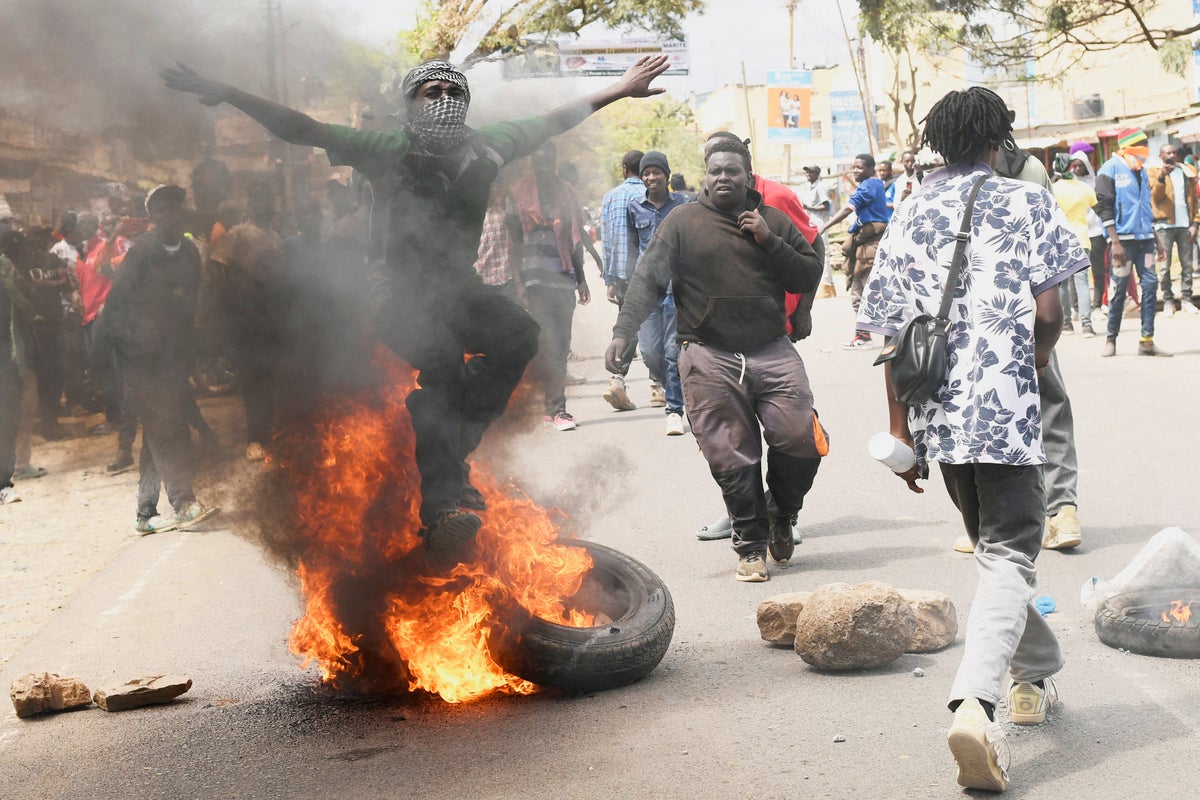
The announcement of the facility has triggered significant public reactions. Hundreds of people took to the streets in the nearby town of Nanyuki on Monday to protest the United States' plans to establish an Ebola quarantine facility at the military base. The demonstrators expressed concerns about the implications of having such a facility in their region.
According to President Ruto, the facility is part of a broader health cooperation between Kenya and the US focused on pandemic preparedness and global health security. He emphasized that he personally gave approval for the project and views it as an important contribution to strengthening health security capabilities.
The planned facility is designed to enhance Kenya's capacity to respond to potential Ebola outbreaks and other health emergencies. Ebola is a highly contagious and often fatal viral disease that has caused devastating outbreaks in West Africa in the past. Preventive measures and preparedness facilities are considered crucial for containing future outbreaks.
The choice of location at a military base has sparked additional discussions. Critics question why a health facility should be situated on military grounds and what implications this might have for civilian healthcare. Supporters argue that military facilities often possess the necessary infrastructure and security measures required for handling highly infectious diseases.
The health partnership between Kenya and the United States has existed for several years and encompasses various areas of medical cooperation. This collaboration has previously contributed to improving health infrastructure and crisis response capabilities in Kenya.
The facility represents part of broader international efforts to strengthen global health security and pandemic preparedness, particularly in regions that could serve as early warning systems for disease outbreaks. Kenya's strategic location in East Africa makes it a significant partner in regional health security initiatives.
The current controversy highlights tensions between international health cooperation initiatives and local community concerns. While government officials emphasize the benefits of such facilities for national and regional health security, citizens express worries about potential risks and the lack of transparency in project planning.
The timing of the project and its announcement has also drawn attention. The facility comes at a time when global health security remains a priority following the COVID-19 pandemic, which demonstrated the importance of preparedness and rapid response capabilities for infectious disease outbreaks.
Local opposition to the project reflects broader concerns about foreign involvement in domestic affairs and the potential risks associated with housing dangerous pathogens. Community members have questioned whether adequate safety measures will be in place and whether local populations were sufficiently consulted about the project.
The future development of the project will likely be influenced by public opinion and potential further protests. President Ruto's defense of the initiative demonstrates his determination to move forward with the project despite public opposition, but ongoing community concerns may present additional challenges for implementation. The government will need to balance international cooperation commitments with domestic political considerations as the project progresses.
Fast take
Kenyan President William Ruto has publicly defended a planned US-backed Ebola quarantine facility at the Laikipia air base in central Kenya, describing it as part of a comprehensive national preparedness plan and a long-standing health partnership with Washington.
NOFRAME signal
Stable coverage · 3 Sources · 3 Regions
What remains open
The source picture is relatively consistent. That still makes the details worth reading: small differences in wording, omissions, and source selection can reveal what each region treats as important.
Dossier compass
Which media spaces carry the story and how broad the source base is.
Source mix
Underlit angles
- Details about local protests
- Critical voices from the population
- International perspective on health cooperation
Open originals
Go straight to the linked articles. NOFRAME does not replace those sources.
Why it matters
The source picture is relatively consistent. That still makes the details worth reading: small differences in wording, omissions, and source selection can reveal what each region treats as important.
Timeline
Nation Africa · June 2, 2026 at 05:15 AM
'I gave the okay,' Ruto defends US Ebola health facility in Laikipia Air Base
Nation Africa · June 2, 2026 at 06:18 AM
President Ruto defends Ebola preparedness facility at Laikipia air base
Straits Times · June 2, 2026 at 06:45 AM
Kenya's president defends planned U.S.-backed Ebola quarantine facility
The Independent · June 2, 2026 at 07:27 AM
Deadly violence erupts in Kenya as Trump admin orders Ebola quarantine for Americans