Iran and Oman are currently engaged in discussions about implementing a toll system for ships transiting the strategically vital Strait of Hormuz, despite strong opposition from the Trump administration, which has categorically rejected any fees for passage through this international waterway.
The Strait of Hormuz represents one of the world's most critical maritime chokepoints, serving as an essential corridor for global energy transport. Approximately 20% of the world's oil transit passes through this narrow 21-mile-wide waterway between Iran and Oman daily. Any disruption or additional burden on shipping traffic could have significant implications for global energy markets and transportation costs.
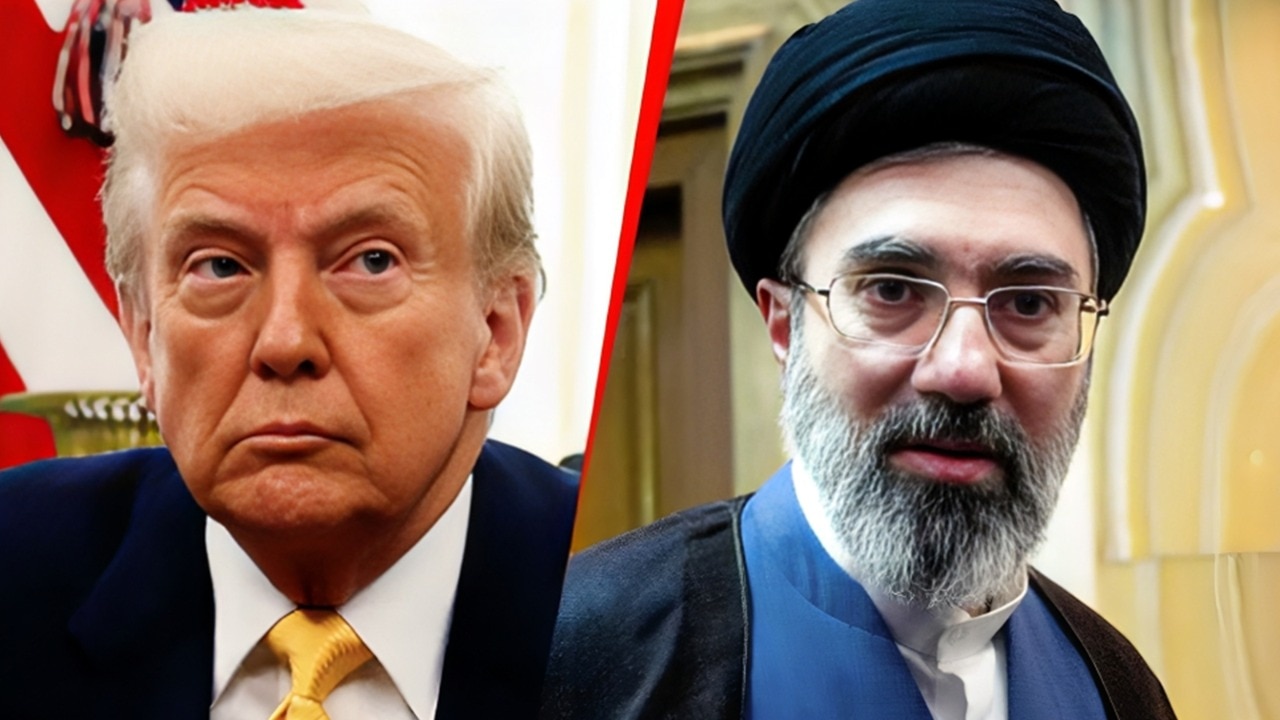
President Trump addressed the toll proposals directly on Thursday, stating: "We want it free... We don't want tolls. It's international. It's an international waterway." The Trump administration has condemned the possibility of Iranian tolls on the waterway, emphasizing that free navigation through this route is crucial for the global economy.
The discussions between Iran and Oman are particularly noteworthy given that Oman has traditionally served as a US ally and has often acted as a mediator between Washington and Tehran. The fact that Oman is participating in these discussions despite US opposition highlights the complex regional dynamics at play in the Persian Gulf.
Concurrent with the Hormuz discussions, broader diplomatic efforts between the US and Iran have reportedly stalled over key issues. Reports suggest that while negotiations have made progress in some areas, they remain deadlocked on critical points including Iranian uranium enrichment and the proposed Hormuz toll system.
The Iranian government has previously threatened to close or disrupt the Strait of Hormuz during periods of heightened tensions with the US and other Western nations. Such threats have regularly led to spikes in oil prices and underscored the importance of this waterway for global energy security.
Experts warn that any implementation of toll fees or other restrictions on free shipping through the Strait of Hormuz could have far-reaching economic consequences. Beyond direct impacts on energy prices, other goods and commodities that utilize this route could also be affected.
The strategic importance of the Strait of Hormuz extends beyond oil transport, as it also serves as a crucial passage for liquefied natural gas and other energy products destined for global markets. Countries in Asia, particularly major economies like Japan, South Korea, and China, rely heavily on energy imports that transit through this waterway.
The current developments reflect ongoing geopolitical tensions in the region and demonstrate how local conflicts can have global economic implications. The international community is closely monitoring the situation, as both the Hormuz issue and the stalled nuclear negotiations carry the potential for further escalation.
Regional allies and international shipping companies are likely assessing contingency plans should toll systems be implemented or if tensions escalate further. Alternative shipping routes exist but would significantly increase transit times and costs, potentially affecting global supply chains.
Whether and when concrete steps toward implementing a toll system will be taken remains unclear. Equally uncertain is how the international community, particularly other Persian Gulf states and major shipping nations, would respond to such measures. The situation continues to evolve as diplomatic efforts persist amid these challenging circumstances.
Fast take
Iran and Oman are currently engaged in discussions about implementing a toll system for ships transiting the strategically vital Strait of Hormuz, despite strong opposition from the Trump administration, which has categorically rejected any fees for passage through this international waterway.
NOFRAME signal
Stable coverage · 4 Sources · 4 Regions
What remains open
The source picture is relatively consistent. That still makes the details worth reading: small differences in wording, omissions, and source selection can reveal what each region treats as important.
Dossier compass
Which media spaces carry the story and how broad the source base is.
Source mix
Underlit angles
- Details about stalled US-Iran nuclear negotiations
- Broader context of diplomatic efforts
- Specific details about Oman-Iran talks
Open originals
Go straight to the linked articles. NOFRAME does not replace those sources.
Why it matters
The source picture is relatively consistent. That still makes the details worth reading: small differences in wording, omissions, and source selection can reveal what each region treats as important.
Timeline
India Today · May 21, 2026 at 11:57 PM
US-Iran talks narrow gaps, but uranium and Hormuz remain sticking points
Japan Times · May 22, 2026 at 12:58 AM
Progress in Iran talks undercut over uranium and Strait of Hormuz tolls
NY Times World · May 22, 2026 at 01:52 AM
Iran and Oman in Talks Over Strait of Hormuz Ship Payment System
Middle East Eye · May 22, 2026 at 03:28 AM
Iran, Oman discuss Hormuz Strait toll system despite Trump threats