The Republican-controlled US House of Representatives passed a resolution on Wednesday calling for President Donald Trump to end military operations against Iran without explicit congressional authorization. The vote concluded 215-208, with four Republican lawmakers breaking ranks to join Democrats in support of the measure.
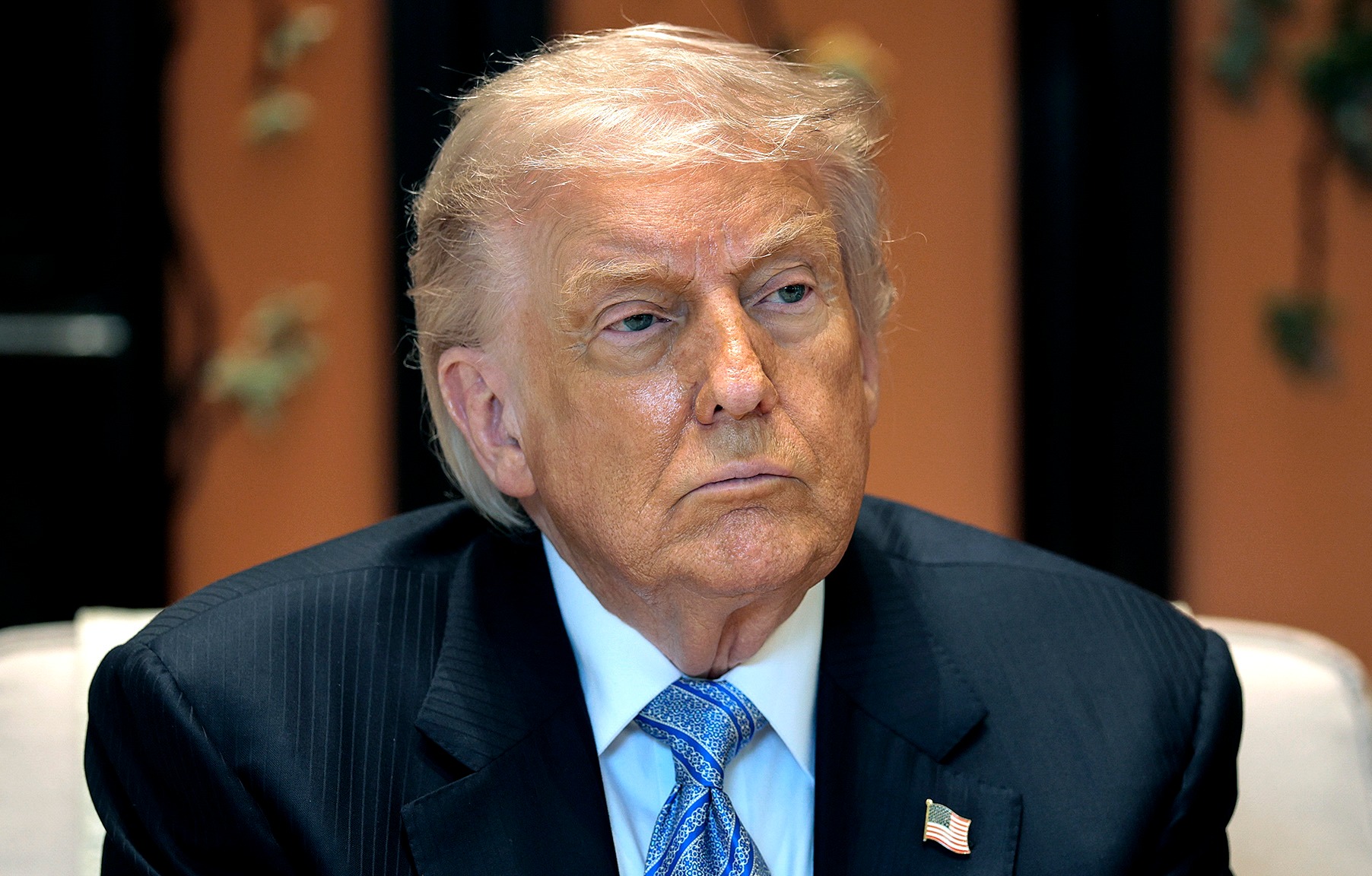
The resolution, based on the War Powers Act, directs Trump to withdraw US troops from Iran unless Congress formally declares war or authorizes the use of military force. This marks the first time the Republican-led House has approved such a measure against Trump during his second term in office.
According to reports, the conflict with Iran has been ongoing for three months, though the exact circumstances and timeline of how hostilities began remain unclear from available information. The vote reflects growing concern among members of Trump's own party about the continuing military engagement.
The four Republicans who voted against party lines represent a rare fracture in what has been largely unified support for Trump in the House. Throughout his second term, Trump has generally maintained strong control over Congress, making this vote a significant political setback for the president.
Concurrent with the House vote, diplomatic talks with Iran have reportedly stalled. The specific content and status of these negotiations remain unclear, but the failed diplomatic efforts may have influenced the military escalation.
Economic impacts from the conflict are already becoming apparent. Reports indicate that US producer prices posted their biggest increase in four years in April, attributed to soaring costs for goods and services since the war began.
The resolution's passage could potentially weaken America's negotiating position in future talks with Iran, as it may raise international questions about unity within the US government. At the same time, the vote could reshape the dynamics of November's midterm congressional elections.
While the resolution represents a symbolic rebuke, the practical impact on ongoing military operations remains uncertain. As a House resolution, it does not carry immediate binding legal force but sends a strong political signal to the administration.
The development highlights ongoing tensions between the legislative and executive branches regarding presidential war powers. The War Powers Act of 1973 was designed to limit the president's ability to deploy troops in combat without congressional approval, but has been interpreted differently by various administrations.
The bipartisan nature of the vote, though narrow, suggests that concerns about the Iran conflict extend beyond typical party lines. The four Republican defectors represent constituencies that may be particularly concerned about military engagement or economic impacts from the conflict.
Looking ahead, the resolution's passage may embolden other congressional efforts to limit Trump's military actions. It also raises questions about how the administration will respond to this legislative challenge and whether it might affect ongoing military strategy in the region.
Fast take
The Republican-controlled US House of Representatives passed a resolution on Wednesday calling for President Donald Trump to end military operations against Iran without explicit congressional authorization.
NOFRAME signal
Medium divergence · 6 Sources · 4 Regions
What remains open
Coverage is not fully split, but it is not identical either. That makes the comparison useful: the fact base shows the common core, while the perspectives show where political, regional, or institutional priorities change the emphasis.
Dossier compass
Which media spaces carry the story and how broad the source base is.
Source mix
Underlit angles
- Economic impacts of the conflict
- Details about failed peace talks
- Constitutional details about War Powers Act
Open originals
Go straight to the linked articles. NOFRAME does not replace those sources.
Why it matters
Coverage is not fully split, but it is not identical either. That makes the comparison useful: the fact base shows the common core, while the perspectives show where political, regional, or institutional priorities change the emphasis.
Timeline
Globe and Mail · June 4, 2026 at 12:53 AM
U.S. House’s stunning rebuke to Trump threatens American position in talks with Iran
Dawn · June 4, 2026 at 01:52 AM
US House passes resolution calling for end to war on Iran, rebuking Trump
Channel News Asia · June 4, 2026 at 03:30 AM
US House votes to curb Trump on Iran war as talks stall
Daily Maverick · June 4, 2026 at 04:38 AM
US House votes for measure that would end Iran war, in blow to Trump