Russia and Ukraine announced competing ceasefires on Monday for the coming days, timed to coincide with commemorations marking the end of World War II. Russia declared a unilateral ceasefire for May 8-9, while Ukraine responded with its own ceasefire proposal for May 5-6. The development highlights ongoing tensions between the two countries and raises questions about the actual peace intentions of the warring parties.
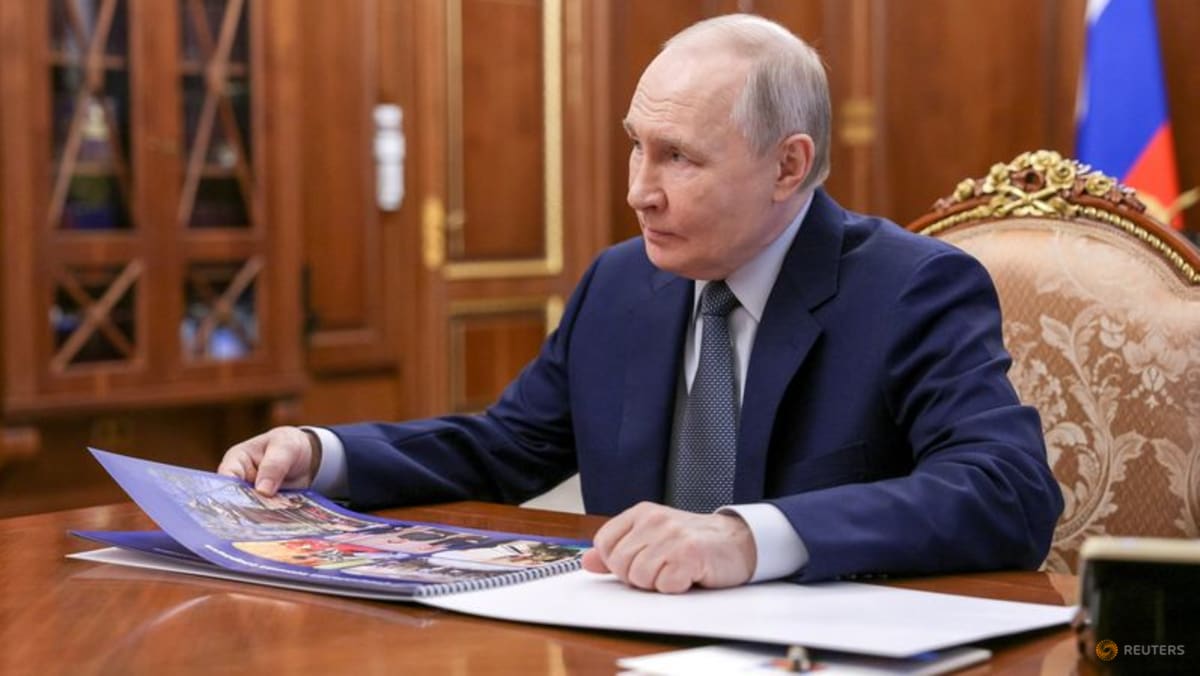
The Russian Defense Ministry announced that President Vladimir Putin, as Supreme Commander-in-Chief of the Russian Armed Forces, had made the decision for the two-day ceasefire. This is set to coincide with Moscow's annual Victory Day celebrations on May 9, when Russia traditionally commemorates the end of World War II in Europe. Simultaneously, the Defense Ministry threatened a "massive missile strike on the center of Kyiv" if Ukraine violated the ceasefire.
Ukraine's response came swiftly. President Volodymyr Zelensky announced a separate ceasefire for May 5-6, set to take effect from midnight on May 6. Zelensky called Russia's proposal "not serious" and stated it was unreasonable to expect Ukraine to observe a ceasefire during a Russian military holiday. Ukraine said it was prepared to halt hostilities if Russia reciprocated.
Victory Day has become a key pillar of Putin's tenure as president. The Russian leader regularly uses the annual celebrations to justify military actions, including the ongoing war in Ukraine. The military parades in Moscow, currently being rehearsed, serve as demonstrations of Russian military power and symbols of Russia's role as a victorious power in World War II.
The competing ceasefire declarations come at a time when US-led diplomatic efforts to end the war are experiencing a lull. Washington has increasingly shifted its focus to conflicts in the Middle East, potentially reducing pressure for a diplomatic solution to the Ukraine conflict. Observers view the announcements from both sides as strategic positioning rather than genuine peace efforts.
Military activities continued on Monday as well. According to Ukrainian officials, Russian strikes killed nine people across various parts of Ukraine. Meanwhile, a Ukrainian drone crashed into a high-rise building in an upscale Moscow neighborhood. Reports suggest that Ukrainian drone operations have caused concern in Moscow, while Ukraine displays confidence in its drone capabilities.
The timing of the ceasefire announcements coincides with annual rehearsals for the military parade in Moscow. These parades are an important component of Victory Day celebrations and traditionally demonstrate Russia's military strength. The connection between the proposed ceasefire and these celebrations underscores the symbolic significance Russia attaches to the event.
Experts see the contradictory signals – offering a ceasefire while simultaneously threatening retaliation – as a typical pattern of current conflict dynamics. Both sides appear to be using the announcements to strengthen their respective positions rather than taking serious steps toward a lasting peace solution. The different timeframes of the proposed ceasefires make actual implementation additionally unlikely.
Whether either of the announced ceasefires will actually be observed remains to be seen. Experience with previous ceasefire agreements in this conflict shows that announcements often do not lead to an actual cessation of hostilities. However, current developments illustrate the importance of symbolic dates and historical narratives in the warfare strategies of both sides.
The quarreling between the two countries occurs amid a broader context of reduced international diplomatic pressure. With global attention divided among multiple conflicts, the urgency for immediate resolution of the Ukraine war may have diminished in some international circles. This could provide both Russia and Ukraine with more room for symbolic gestures rather than substantive peace negotiations.
The use of Victory Day as a backdrop for these announcements reflects the deep historical narratives that both countries employ to justify their positions. For Russia, the day represents triumph over fascism and validates its current military actions as a continuation of that historical mission. For Ukraine, rejecting a ceasefire tied to Russian commemorations represents resistance to what it views as historical manipulation and continued aggression.
Fast take
Russia and Ukraine announced competing ceasefires on Monday for the coming days, timed to coincide with commemorations marking the end of World War II.
NOFRAME signal
High divergence · 12 Sources · 5 Regions
What remains open
This matters because the event itself is only part of the story. 5 media regions frame it with noticeably different priorities. Details that remain stable across those boundaries are more robust; details that appear in only one region need context.
Dossier compass
Which media spaces carry the story and how broad the source base is.
Source mix
Underlit angles
- Details about US diplomatic efforts
- Putin's use of Victory Day to justify the war
- Threats of missile strikes
Open originals
Go straight to the linked articles. NOFRAME does not replace those sources.
Why it matters
This matters because the event itself is only part of the story. 5 media regions frame it with noticeably different priorities. Details that remain stable across those boundaries are more robust; details that appear in only one region need context.
Timeline
Al Jazeera · May 4, 2026 at 08:44 PM
Russia and Ukraine declare competing ceasefires
Kyiv Independent · May 4, 2026 at 08:56 PM
Zelenskyy announces earlier ceasefire starting May 6, ahead of Russia's 'Victory Day truce'
Channel News Asia · May 4, 2026 at 09:05 PM
Ukraine and Russia declare separate truces
India Today · May 4, 2026 at 09:15 PM
Russia and Ukraine declare competing ceasefires to mark Victory Day