Russia launched one of its largest attacks on Ukraine in recent months during the overnight hours of June 2, firing hundreds of missiles and drones at multiple Ukrainian cities. The massive assault killed at least 22 people nationwide and wounded more than 130 others, according to Ukrainian officials.
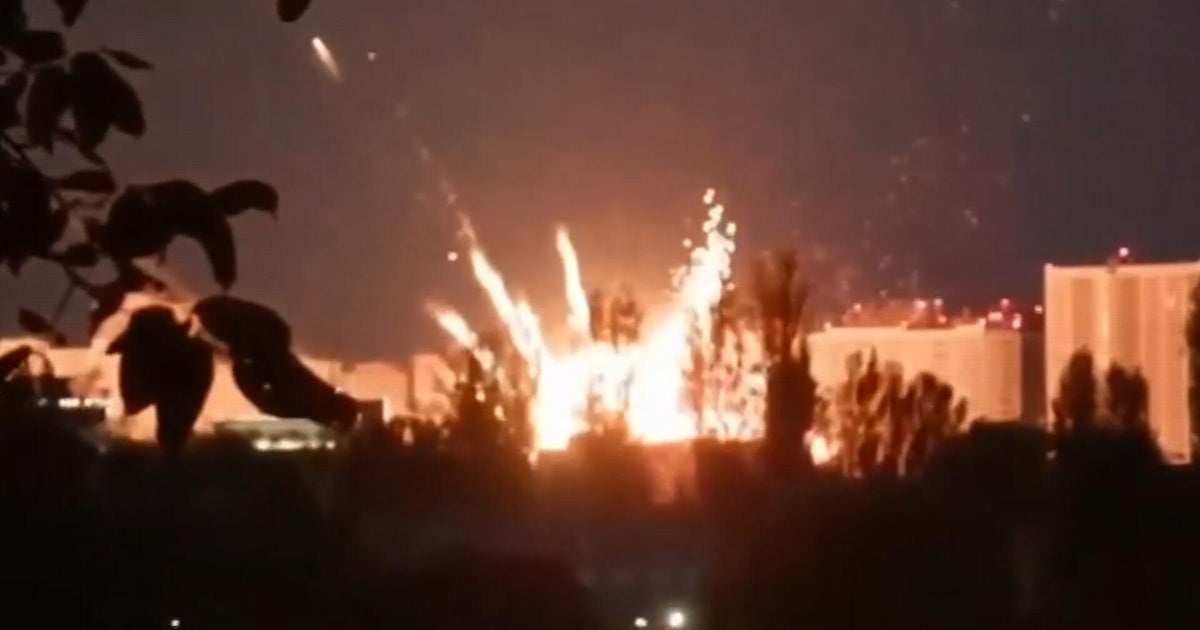
The Ukrainian capital of Kyiv bore the brunt of the attack, with the death toll rising to six or seven people and approximately 90 individuals wounded. The strikes hit civilian areas throughout the capital, causing significant damage to infrastructure and residential buildings. Emergency responders worked through the early morning hours to rescue victims from debris and provide medical assistance to the injured.
Ukrainian President Volodymyr Zelenskyy had warned citizens the previous week to take cover in anticipation of what his government feared would be a massive Russian offensive. The warning proved prescient as swarms of missiles and drones struck Ukrainian cities, targeting both military and civilian locations across the country.
Russia has significantly stepped up the size and pace of its attacks on Ukrainian cities in recent months. The latest assault represents a further escalation in Moscow's campaign against Ukrainian urban centers and civilian infrastructure. The Kremlin described the war as entering 'a new paradigm' following this large-scale attack, suggesting a possible further intensification of hostilities.
The attacks have left Ukrainian civilians increasingly on edge, with many residents of Kyiv and other cities living in constant fear of further strikes while attempting to maintain their daily routines. The repeated targeting of civilian areas has drawn international criticism and raised questions about the protection of non-combatants in the ongoing conflict.
While Russia intensifies its attacks on Ukrainian cities, Ukraine is working to develop innovative solutions for battlefield operations. Ukrainian forces are employing new technologies and tactics to counter Russian superiority and attempt to turn the tide at the front. These efforts include both defensive measures to protect civilians and offensive strategies aimed at reclaiming occupied territories.
The conflict, approaching its third year, shows no signs of imminent resolution. The recent attacks underscore Russia's continued willingness to target civilian areas while Ukraine continues to fight for its territorial integrity and the safety of its population. The international community watches developments with growing concern and discusses additional support measures for Ukraine.
The impact of the conflict extends far beyond immediate military casualties. The constant attacks place significant strain on Ukrainian infrastructure and complicate efforts to provide the population with essential goods and services. Meanwhile, the ongoing hostilities contribute to a humanitarian crisis affecting millions of people and presenting major challenges for international aid organizations.
The escalation comes at a critical juncture in the war, as both sides appear to be preparing for continued long-term engagement. Russia's description of the conflict entering a 'new paradigm' suggests Moscow may be signaling its intention to further intensify military operations. For Ukraine, the challenge remains defending against these large-scale attacks while maintaining offensive capabilities and protecting civilian populations.
International observers note that the scale and coordination of the recent attack demonstrates Russia's continued capacity for large-scale military operations despite ongoing international sanctions and military aid to Ukraine. The assault's targeting of multiple cities simultaneously indicates sophisticated planning and execution, raising concerns about Russia's strategic objectives and future military plans in the region.
Fast take
Russia launched one of its largest attacks on Ukraine in recent months during the overnight hours of June 2, firing hundreds of missiles and drones at multiple Ukrainian cities.
NOFRAME signal
Medium divergence · 6 Sources · 3 Regions
What remains open
Coverage is not fully split, but it is not identical either. That makes the comparison useful: the fact base shows the common core, while the perspectives show where political, regional, or institutional priorities change the emphasis.
Dossier compass
Which media spaces carry the story and how broad the source base is.
Source mix
Underlit angles
- Political context of the attack
- International reactions
- Overall context of nationwide attack
Open originals
Go straight to the linked articles. NOFRAME does not replace those sources.
Why it matters
Coverage is not fully split, but it is not identical either. That makes the comparison useful: the fact base shows the common core, while the perspectives show where political, regional, or institutional priorities change the emphasis.
Timeline
Al Jazeera · June 2, 2026 at 09:01 PM
Russia launches massive overnight attack on Ukraine
PBS NewsHour · June 2, 2026 at 09:24 PM
Massive Russian attack on Kyiv and other Ukrainian cities kills 22 people, officials say, as Moscow escalates fighting
PBS NewsHour · June 2, 2026 at 10:40 PM
As Russia pounds Ukrainian cities, Kyiv tries to turn the tide with battlefront innovation
CBS News · June 2, 2026 at 11:49 PM
Russian airstrikes hit Ukraine's capital Kyiv