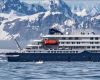
Three passengers have died aboard the Dutch cruise ship MV Hondius following a confirmed hantavirus outbreak, the World Health Organization announced on Sunday. Three additional people on board have fallen ill from the rare but potentially deadly infection. The vessel, operated by Dutch company Oceanwide Expeditions, departed from the port of Ushuaia in Argentina's Tierra del Fuego province on March 20 and was traveling to the port of Praia in Cape Verde, where the journey was scheduled to conclude on May 4.
Hantavirus belongs to a family of viruses carried by rodents and typically spreads to humans through inhalation of airborne particles from infected rodent droppings or urine. Unlike many other viral infections, person-to-person transmission of hantavirus is uncommon, making the outbreak aboard the cruise ship particularly noteworthy for health experts. The virus poses significant health risks, with symptoms initially resembling flu-like illness including fever, headaches, and muscle aches.
The progression of hantavirus infection can be rapid and severe. What begins as flu-like symptoms can quickly escalate to life-threatening complications, including heart and lung failure. The mortality rate for hantavirus infections is approximately 40 percent, making it one of the more dangerous viral infections that can affect humans. This high fatality rate underscores the serious nature of the outbreak aboard the MV Hondius.
Cruise ships present unique challenges for infectious disease control due to the confined spaces and prolonged close contact between passengers and crew members. The MV Hondius is specifically designed for expedition cruising to polar regions and regularly conducts voyages to Antarctica and the Arctic. Such expedition vessels often visit remote areas where contact with wildlife and their habitats is more likely, potentially increasing exposure risks to zoonotic diseases like hantavirus.
The route from Ushuaia to Cape Verde represents a significant ocean crossing, taking the vessel across the South Atlantic. Ushuaia, located at the southern tip of South America, is a major departure point for Antarctic expeditions and polar cruises. The city's proximity to wilderness areas and its role as a gateway to remote regions may be relevant factors in understanding how the virus came aboard the ship.
Oceanwide Expeditions has not yet issued public statements regarding the circumstances of the outbreak or the measures being taken to address the situation. It remains unclear how the virus was introduced to the ship and whether preventive measures have been implemented to contain further spread. Health authorities are likely working to identify the source of infection and prevent additional cases among the remaining passengers and crew.
The incident raises important questions about biosecurity protocols on expedition cruise ships, particularly those traveling to areas with high wildlife density. Rodents can gain access to ships in port areas or during shore excursions, creating potential pathways for virus transmission. The cruise industry has previous experience managing disease outbreaks, particularly norovirus infections, but hantavirus cases are significantly rarer and more serious.
Investigation into the exact circumstances of the outbreak will be crucial for preventing similar incidents in the future. The WHO and other health authorities continue to monitor the situation. It is not yet known whether the ship was able to continue its planned route or if quarantine measures were implemented. The findings from this investigation will likely inform future safety protocols for expedition cruising in remote areas where exposure to wildlife-borne pathogens is a consideration.
Fast take
Three passengers have died aboard the Dutch cruise ship MV Hondius following a confirmed hantavirus outbreak, the World Health Organization announced on Sunday.
NOFRAME signal
Stable coverage · 6 Sources · 2 Regions
What remains open
The source picture is relatively consistent. That still makes the details worth reading: small differences in wording, omissions, and source selection can reveal what each region treats as important.
Dossier compass
Which media spaces carry the story and how broad the source base is.
Source mix
Underlit angles
- Specific details about the cruise route
- Information about Oceanwide Expeditions company
- Geographic significance of Ushuaia as departure point
Open originals
Go straight to the linked articles. NOFRAME does not replace those sources.
Why it matters
The source picture is relatively consistent. That still makes the details worth reading: small differences in wording, omissions, and source selection can reveal what each region treats as important.
Timeline
Buenos Aires Times · May 4, 2026 at 12:55 AM
Three die from suspected hantavirus on Atlantic cruise ship travelling from Argentina to Cape Verde
MercoPress · May 4, 2026 at 01:45 AM
Three dead in hantavirus outbreak aboard polar cruise ship from Ushuaia bound for Cape Verde
Straits Times · May 4, 2026 at 01:50 AM
What is hantavirus linked to three deaths aboard cruise ship?
Japan Times · May 4, 2026 at 02:55 AM
What is the hantavirus that killed three cruise ship passengers?