US President Donald Trump has postponed a planned military attack on Iran by two to three days after Tehran transmitted a peace proposal to Washington. Trump announced on Monday that Gulf allies had requested the delay to continue diplomatic negotiations. The US President indicated that there is a "very good chance" of reaching an agreement to limit Iran's nuclear program.
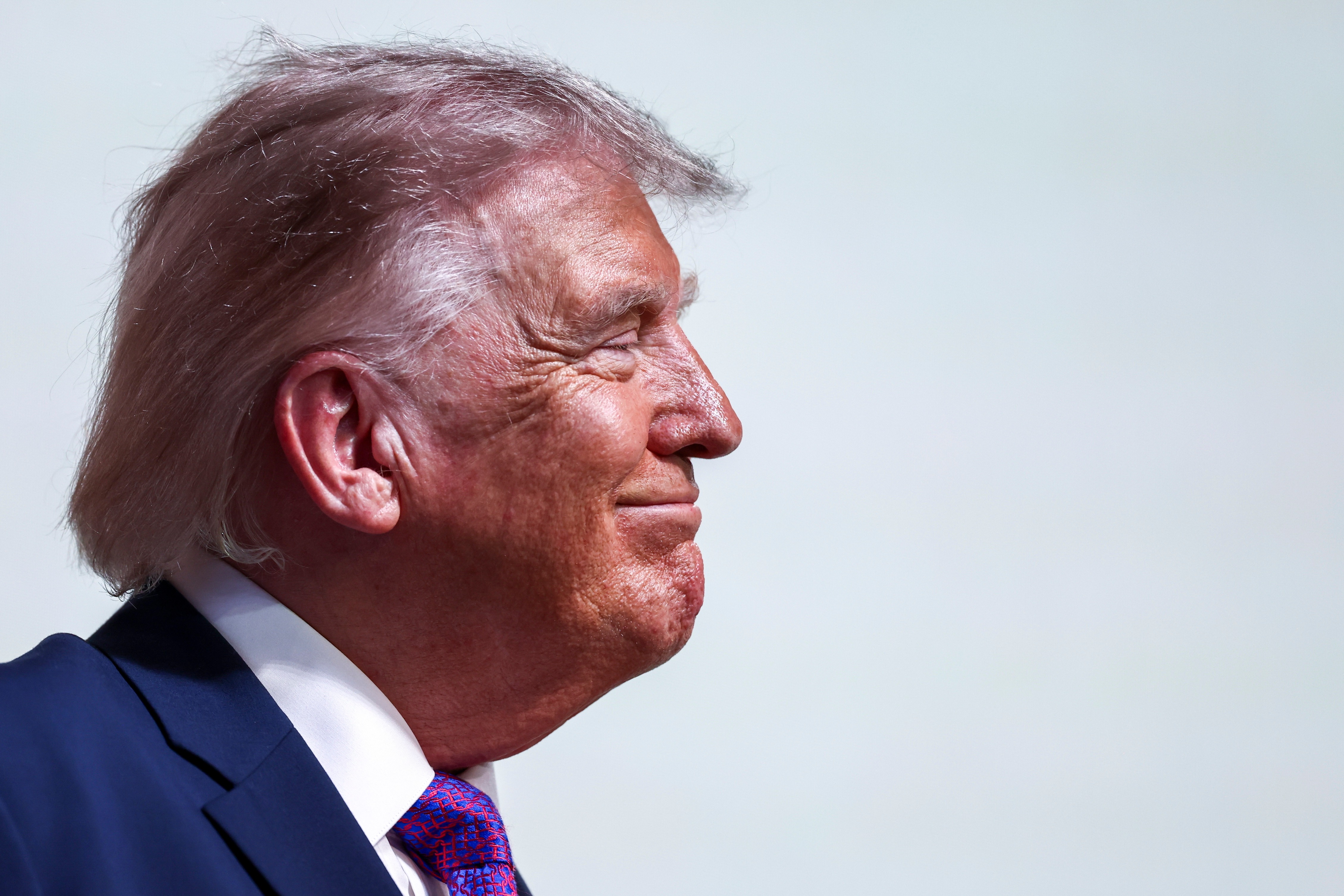
Trump expressed his preference for a diplomatic solution, stating: "There seems to be a very good chance that they can work something out. If we can do that without bombing the hell out of them, I would be very happy." However, he simultaneously warned that if negotiations fail, the US military stands ready for a "full, large-scale assault" on Iran. This threat underscores the gravity of the situation and the pressure on all parties involved.
Iran's response to American peace initiatives has met with mixed reactions in Washington. Trump described the first sentence of Iran's response as unacceptable, indicating fundamental disagreements in negotiation approaches. Reports suggest that Iran's leadership is showing defiance and rejecting pressure from the US. Correspondents in Tehran describe the Iranian leadership's stance as "projecting defiance" against American demands.
The role of Gulf allies as mediators appears crucial to current developments. These countries, which traditionally maintain close ties with the US, have apparently actively requested the postponement of the planned attack to create space for further diplomatic efforts. Reports indicate that these allies are optimistic and view a peace agreement as imminent.
Analysts express concerns about the American negotiating position. Matt Duss from the Center for International Policy argues that Washington's demand for zero uranium enrichment undermines prospects for a diplomatic agreement. He describes this condition as a "poison pill" that has been pushed by Israeli Prime Minister Benjamin Netanyahu and "warmongers" in Washington. Duss sees a policy shift as necessary for a breakthrough.
Trita Parsi from the Quincy Institute for Responsible Statecraft questions Trump's portrayal of control over the Iran crisis. He warns that escalation could backfire and that Trump is attempting to create the impression that he dictates the direction of the situation. Parsi emphasizes that this does not entirely reflect reality, even though it is understandable that Trump wants to convey this impression.
Parallel to diplomatic developments, Iran is strengthening its control over strategically important waterways. The Islamic Revolutionary Guard Corps announced that fiber optic cables passing through the Strait of Hormuz could be brought under a permit system. This measure would further consolidate Tehran's control over the vital waterway through which a significant portion of global oil transport passes.
The current situation involves complex diplomatic maneuvering between the US, Iran, and Gulf allies. While Trump expresses optimism about negotiation prospects, fundamental points of contention remain. The question of uranium enrichment and other core aspects of Iran's nuclear program must still be resolved before a lasting agreement can be reached.
The coming days will be decisive for the direction of this crisis. The two to three-day postponement gives all parties time to reconsider their positions and possibly find compromises. However, should negotiations fail, the region faces the prospect of military confrontation that could have far-reaching consequences for global security and the economy.
The international community is watching developments with great attention, as a conflict between the US and Iran would alter the entire balance of power in the Middle East. The postponement represents a critical window of opportunity for diplomacy, but the underlying tensions that brought the situation to this point remain unresolved. Success will depend on whether all parties can find sufficient common ground to step back from the brink of military action.
The complexity of the situation is further highlighted by the multiple actors involved and their varying interests. Gulf allies appear to be playing a crucial mediating role, potentially offering a bridge between American demands and Iranian positions. Their influence in requesting the attack postponement demonstrates their significant stake in preventing a regional conflict that would inevitably affect their own security and economic interests.
Fast take
US President Donald Trump has postponed a planned military attack on Iran by two to three days after Tehran transmitted a peace proposal to Washington.
NOFRAME signal
Medium divergence · 8 Sources · 5 Regions
What remains open
Coverage is not fully split, but it is not identical either. That makes the comparison useful: the fact base shows the common core, while the perspectives show where political, regional, or institutional priorities change the emphasis.
Dossier compass
Which media spaces carry the story and how broad the source base is.
Source mix
Underlit angles
- Details about Gulf allies as mediators
- Trump's optimistic statements about negotiation prospects
- Critical analyses of US demands
Open originals
Go straight to the linked articles. NOFRAME does not replace those sources.
Why it matters
Coverage is not fully split, but it is not identical either. That makes the comparison useful: the fact base shows the common core, while the perspectives show where political, regional, or institutional priorities change the emphasis.
Timeline
Rappler · May 19, 2026 at 12:10 AM
Trump pauses attack on Iran as negotiations continue
The Independent · May 19, 2026 at 03:06 AM
Iran-US war latest: Trump calls off fresh strikes as Gulf allies say peace deal is close
The Hindu · May 19, 2026 at 03:15 AM
Iran-Israel war LIVE: Trump says 'very positive development' in Iran talks
Daily Maverick · May 19, 2026 at 04:38 AM
Trump says he paused attack on Iran, signals a nuclear deal may be possible