US President Donald Trump and Israeli Prime Minister Benjamin Netanyahu held a tense phone call to discuss a draft agreement aimed at ending the conflict with Iran. According to reports from Axios, the conversation was described as 'prolonged and dramatic,' with Netanyahu reportedly agitated following the discussion.
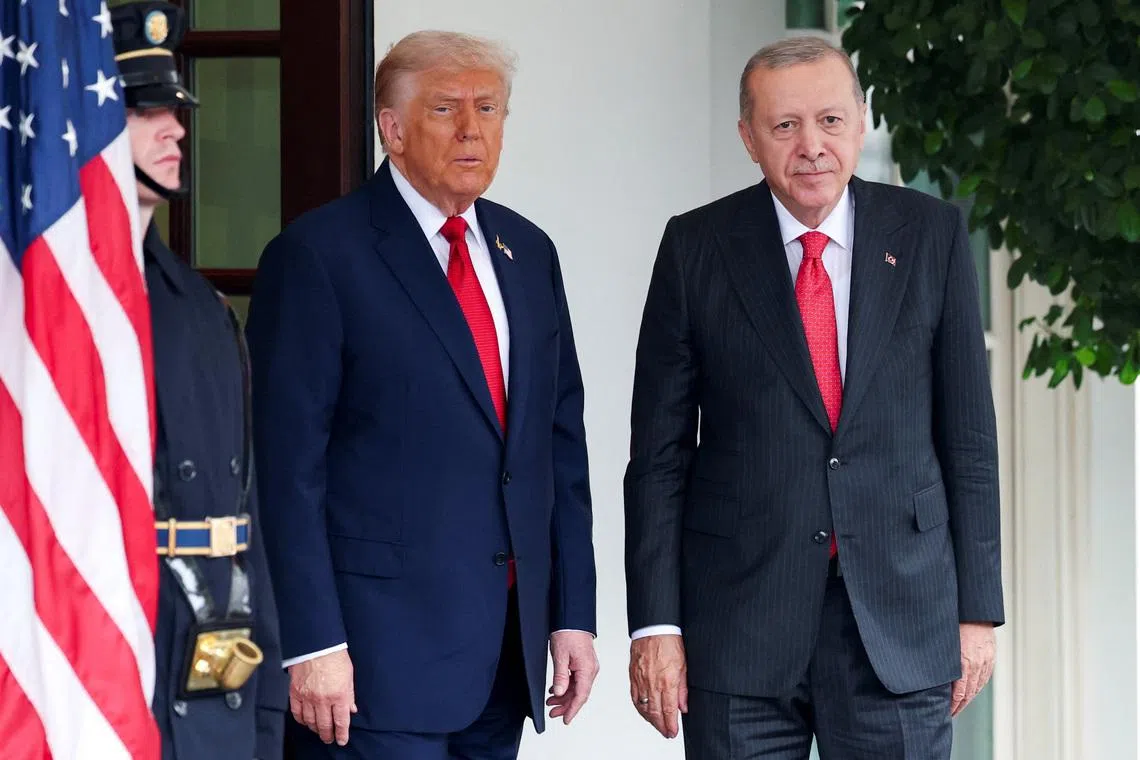
In parallel developments, Turkish President Recep Tayyip Erdogan conducted a separate call with Trump, during which he welcomed the extension of a ceasefire between the United States and Iran. Erdogan expressed his belief that contested issues between the two sides could be resolved through diplomatic means. The Turkish presidency confirmed these statements following Wednesday's phone conversation.
Turkey has positioned itself as a crucial mediator in the conflict. As a NATO member that directly borders Iran, Ankara maintains close contacts with both Washington and Tehran. Working alongside Pakistan, Turkey has been actively seeking an end to the conflict and has served as a conduit for messages between the conflicting parties.
The exact contents of the draft agreement discussed between Trump and Netanyahu remain undisclosed. However, the tense atmosphere of the conversation suggests possible disagreements over the approach to conflict resolution. Earlier Israeli media reports had mentioned a previous conversation between the two leaders on Sunday, which reportedly centered on Trump's recent trip to China and his meeting with President Xi Jinping.
These diplomatic efforts are taking place against the backdrop of ongoing regional tensions. The extension of the ceasefire between the US and Iran is being viewed as a positive step by various regional actors. Erdogan emphasized in his conversation with Trump that diplomacy remains the key to regional stability.
Beyond the bilateral conversations between Trump and various leaders, multilateral mediation efforts are also underway. The involvement of multiple countries like Turkey and Pakistan in the peace process demonstrates the complexity of regional dynamics and the need for a broad diplomatic alliance.
The developments raise questions about future US policy toward Iran and the role of regional allies. While Turkey is taking a mediating position, there appear to be differing views between the United States and Israel regarding the best path to conflict resolution.
The reported tension in the Trump-Netanyahu call, with Netanyahu's 'hair on fire' following the conversation, indicates significant disagreement or concern about the proposed approach. This suggests that while diplomatic momentum exists, there are still substantial challenges in aligning the positions of key stakeholders.
Regional observers are closely monitoring the situation, as a successful resolution of the US-Iran conflict could have far-reaching implications for the entire Middle East. The involvement of various actors and the parallel diplomatic channels suggest that serious efforts are being made to find a peaceful solution.
The role of Turkey as a mediator is particularly significant given its unique position as both a NATO ally and a neighbor to Iran. This positioning allows Ankara to serve as a bridge between different camps and potentially facilitate dialogue that might not otherwise be possible through direct channels.
Fast take
US President Donald Trump and Israeli Prime Minister Benjamin Netanyahu held a tense phone call to discuss a draft agreement aimed at ending the conflict with Iran.
NOFRAME signal
Medium divergence · 6 Sources · 3 Regions
What remains open
Coverage is not fully split, but it is not identical either. That makes the comparison useful: the fact base shows the common core, while the perspectives show where political, regional, or institutional priorities change the emphasis.
Dossier compass
Which media spaces carry the story and how broad the source base is.
Source mix
Underlit angles
- Details about tensions in Trump-Netanyahu conversation
- Specific contents of the draft agreement
- Regional implications of mediation efforts
Open originals
Go straight to the linked articles. NOFRAME does not replace those sources.
Why it matters
Coverage is not fully split, but it is not identical either. That makes the comparison useful: the fact base shows the common core, while the perspectives show where political, regional, or institutional priorities change the emphasis.
Timeline
Anadolu EN · May 20, 2026 at 06:50 PM
Erdogan, Trump discuss regional conflicts, Türkiye-US ties in call
Straits Times · May 20, 2026 at 06:54 PM
Turkey’s Erdogan tells Trump issues with Iran can be resolved, Ankara says
Al-Monitor · May 20, 2026 at 07:02 PM
Turkey's Erdogan tells Trump issues with Iran can be resolved, Ankara says
TRT World · May 20, 2026 at 07:15 PM
Erdogan welcomes Iran ceasefire extension in call with Trump