US President Donald Trump has signaled a notable shift in American Iran policy by stating that a 20-year suspension of Iran's nuclear program would be sufficient for reaching a diplomatic agreement. This statement comes amid ongoing tensions over the strategically vital Strait of Hormuz and potentially signals a more pragmatic approach to the protracted nuclear negotiations.
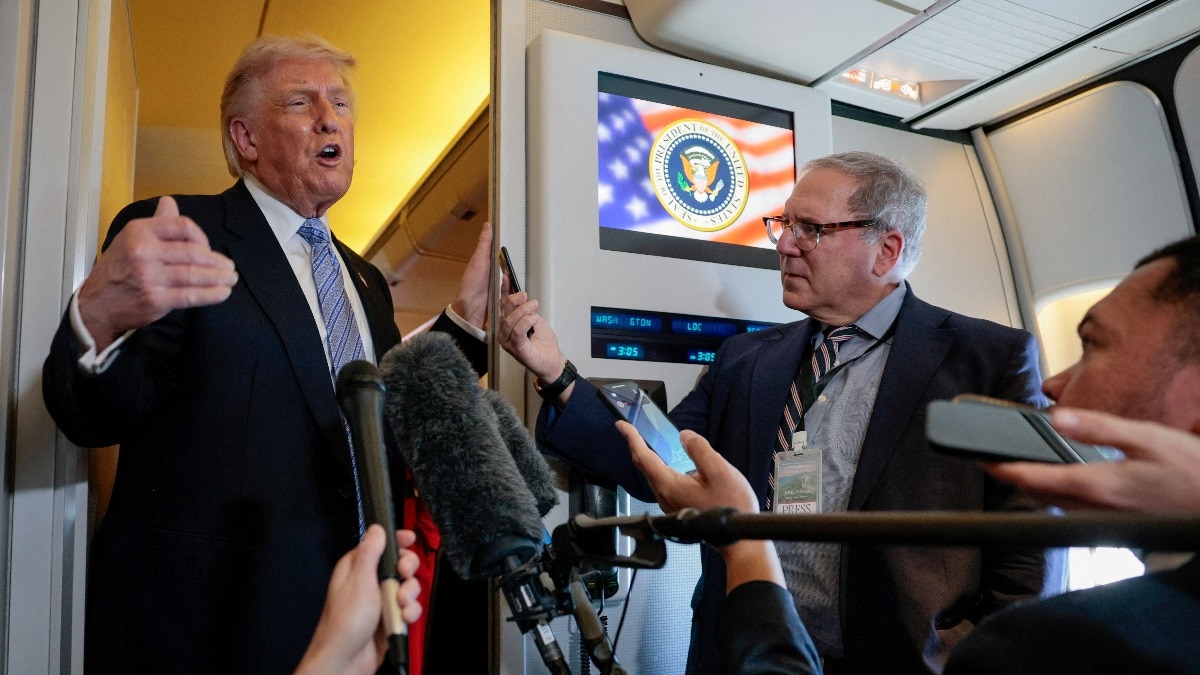
In an interview with Fox News, Trump emphasized that the Strait of Hormuz would 'remain open' and assured that Iran would not be permitted to use this critical waterway 'as a weapon.' The strait holds enormous strategic importance as approximately one-fifth of global oil shipments pass through it. Trump claimed that China depends on this route for 40 percent of its oil imports, underscoring the waterway's global significance.
The president accused Iran of previously closing the Strait of Hormuz to exert political pressure, reflecting ongoing concerns about Iran's ability to disrupt global energy trade. Trump also stated that the US and China had agreed that Iran must not possess nuclear weapons and that the Strait of Hormuz must be reopened.
Concurrently with Trump's statements, Iran's Foreign Minister Abbas Araghchi has indicated willingness to continue talks with the US and expressed openness to China's assistance in negotiations. This development suggests that both sides may see room for diplomatic solutions, despite significant disagreements remaining.
Regional US allies have also voiced their concerns about Iran's behavior. Qatar's Foreign Minister Sheikh Mohammed bin Abdulrahman Al Thani stated that Iran should not use the Strait of Hormuz to 'blackmail' or pressure Gulf countries. This statement underscores regional concerns about Iran's influence over critical trade routes.
Trump's willingness to accept a 20-year suspension of Iran's nuclear program represents a marked departure from previous positions that demanded complete and permanent termination of the program. This flexibility could open new negotiating possibilities, though it remains unclear what specific conditions Trump would set for such an agreement.
However, security experts warn about the risks of military escalation. Former CIA Director Leon Panetta expressed concerns that Trump may have bitten off more than he can chew, warning that a conflict Trump hopes to win in weeks could actually drag on for months.
These current developments occur against the backdrop of years of tensions over Iran's nuclear program since the US withdrawal from the 2015 nuclear deal during Trump's first term. Iran has since significantly expanded its uranium enrichment activities and moved away from the original agreement's restrictions.
The international community is closely monitoring these developments, as both the nuclear question and the security of the Strait of Hormuz have far-reaching implications for global security and economics. The willingness of both sides to engage in talks offers hope for a diplomatic solution, even though the path to a comprehensive agreement remains fraught with significant challenges.
The timing of these diplomatic overtures is particularly significant given the broader geopolitical context, including US-China relations and regional security concerns in the Middle East. Trump's mention of Chinese cooperation on Iran policy suggests a potential multilateral approach to resolving the nuclear standoff.
While Trump's comments about accepting a 20-year moratorium represent a potentially significant concession, the details of what such an agreement would entail remain unclear. Questions persist about verification mechanisms, sanctions relief, and Iran's broader regional activities that have been sources of concern for the US and its allies.
Fast take
US President Donald Trump has signaled a notable shift in American Iran policy by stating that a 20-year suspension of Iran's nuclear program would be sufficient for reaching a diplomatic agreement.
NOFRAME signal
Medium divergence · 7 Sources · 4 Regions
What remains open
Coverage is not fully split, but it is not identical either. That makes the comparison useful: the fact base shows the common core, while the perspectives show where political, regional, or institutional priorities change the emphasis.
Dossier compass
Which media spaces carry the story and how broad the source base is.
Source mix
Underlit angles
- Details about 20-year nuclear moratorium
- Diplomatic negotiation readiness
- Strait of Hormuz tensions
Open originals
Go straight to the linked articles. NOFRAME does not replace those sources.
Why it matters
Coverage is not fully split, but it is not identical either. That makes the comparison useful: the fact base shows the common core, while the perspectives show where political, regional, or institutional priorities change the emphasis.
Timeline
Middle East Eye · May 16, 2026 at 01:23 AM
Trump says Iran will not use Hormuz 'as a weapon'
Ukrinform · May 16, 2026 at 01:32 AM
Trump sets timeframe for moratorium on Iran's nuclear program
India Today · May 16, 2026 at 02:26 AM
20-year suspension of nuke programme acceptable: Trump softens stance on Iran
NDTV World · May 16, 2026 at 03:20 AM
Trump, Back From China, Preps Big Iran Strikes With Epic Fury 2.0: Report