US President Donald Trump announced a significant aircraft deal with China during his visit to Beijing, stating that China has agreed to purchase 200 Boeing planes with the potential to expand the order to as many as 750 aircraft. The announcement came at the conclusion of a two-day summit with Chinese President Xi Jinping.
The potential deal represents a major breakthrough for Boeing, which has been largely shut out of the Chinese market for nearly a decade. Trade tensions between Washington and Beijing had led China to dramatically reduce its Boeing purchases, instead favoring European competitor Airbus. China represents one of the world's largest and most important aviation markets, making this potential order highly significant for the American aircraft manufacturer.
Trump specified that the aircraft would be equipped with General Electric engines and described the deal as part of broader trade agreements reached during his Beijing visit. However, China has not yet provided official confirmation of the order, raising questions about the concrete status of the arrangement. The lack of immediate Chinese confirmation follows a pattern where Trump's announced deals sometimes face implementation challenges.
The summit between Trump and Xi took place against the backdrop of complex bilateral relations. Both leaders emphasized progress in stabilizing US-China relations while acknowledging that substantial disagreements remain. The discussions covered a wide range of issues including US arms sales to Taiwan, the situation in Iran, North Korea, and efforts to combat fentanyl trafficking.
Particularly contentious was the discussion regarding Taiwan. Trump confirmed that he spoke with Xi "in great detail" about planned US arms sales to Taiwan. These conversations may have tested a decades-old US policy of not consulting Beijing on such sales. China considers Taiwan a breakaway province and opposes any military support for the island by the United States.
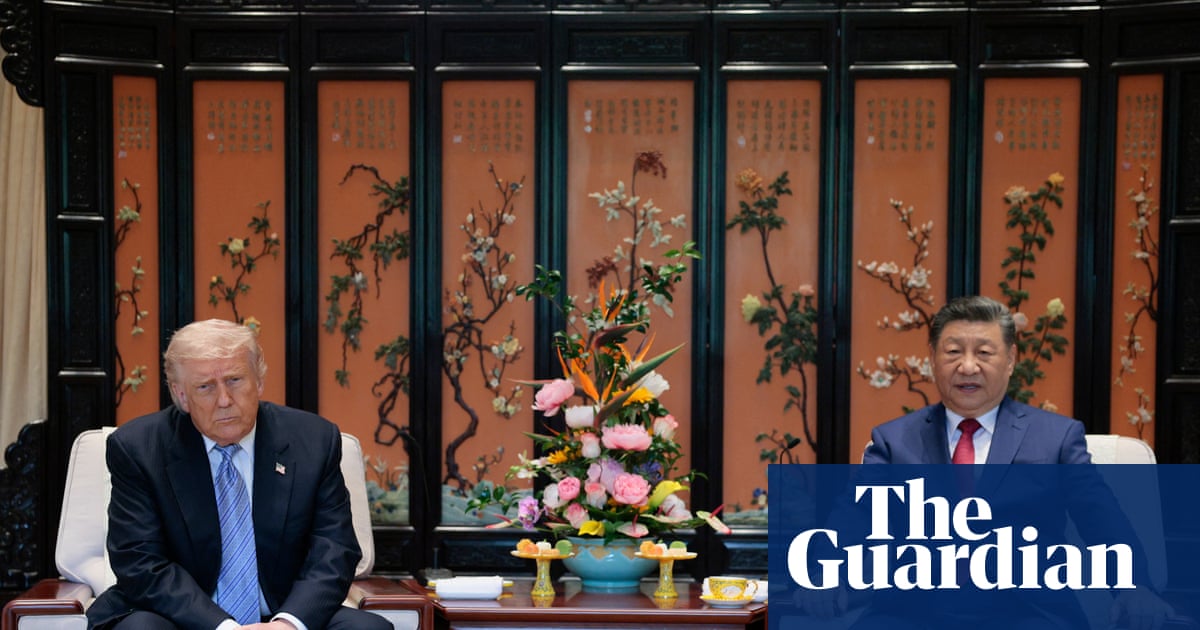
Trump's visit marked the first by a US president to China in nearly a decade. China received Trump with elaborate ceremonial fanfare, including a state banquet and extensive reception ceremonies. The Chinese side pulled out all stops to impress the American president, even though no major breakthroughs were achieved on fundamental points of contention.
The summit also addressed regional security concerns, with Trump confirming discussions about North Korea. The talks came at a time when both countries are navigating complex geopolitical challenges, including ongoing conflicts in other regions that affect global economic stability.
Analysts offer mixed assessments of the summit's outcomes. While the potential Boeing order is viewed as a positive sign for trade relations, fundamental tensions between the two countries persist. Differences on security policy, trade practices, and regional spheres of influence were not fundamentally resolved through the visit.
For Boeing, the deal could represent a crucial turning point if realized. The company has lost significant market share in China to Airbus in recent years. A return to the Chinese market would be of enormous strategic importance given the expected growth of China's aviation industry and the country's expanding domestic and international flight networks.
The broader context of US-China relations remains challenging despite the diplomatic pageantry. Both countries continue to compete for influence in various regions while managing economic interdependencies. The summit's emphasis on personal relationships between the leaders reflects an attempt to manage tensions through high-level diplomacy.
The coming weeks will reveal whether the agreements announced during the summit can be translated into concrete contracts and policy changes. Both sides emphasized their commitment to continued dialogue, but the structural challenges in bilateral relations remain. The success of any deals will likely depend on broader improvements in the overall relationship between the world's two largest economies.
Fast take
US President Donald Trump announced a significant aircraft deal with China during his visit to Beijing, stating that China has agreed to purchase 200 Boeing planes with the potential to expand the order to as many as 750 aircraft.
NOFRAME signal
Medium divergence · 18 Sources · 5 Regions
What remains open
Coverage is not fully split, but it is not identical either. That makes the comparison useful: the fact base shows the common core, while the perspectives show where political, regional, or institutional priorities change the emphasis.
Dossier compass
Which media spaces carry the story and how broad the source base is.
Source mix
Underlit angles
- Details about the Boeing order and its economic significance
- Critical assessment of the summit's actual achievements
- Remaining disagreements and unresolved issues
Open originals
Go straight to the linked articles. NOFRAME does not replace those sources.
Why it matters
Coverage is not fully split, but it is not identical either. That makes the comparison useful: the fact base shows the common core, while the perspectives show where political, regional, or institutional priorities change the emphasis.
Timeline
Al Jazeera · May 15, 2026 at 02:59 PM
Trump says he discussed Taiwan arms sale with China’s Xi Jinping
PBS NewsHour · May 15, 2026 at 03:19 PM
Trump weighs Taiwan arms package after summit aimed at steadying US-China ties
NY Times World · May 15, 2026 at 03:32 PM
Trump’s ‘Learning Curve’ on China Ends With Conciliation at Summit
TASS · May 15, 2026 at 03:35 PM
US President announces possible largest ever Boeing deal with China