US President Donald Trump announced Monday that he called off a planned military strike on Iran scheduled for Tuesday, citing requests from Gulf state allies to allow ongoing diplomatic negotiations to continue. The decision represents a significant moment in what appears to be an extended conflict involving the United States, Israel, and Iran.
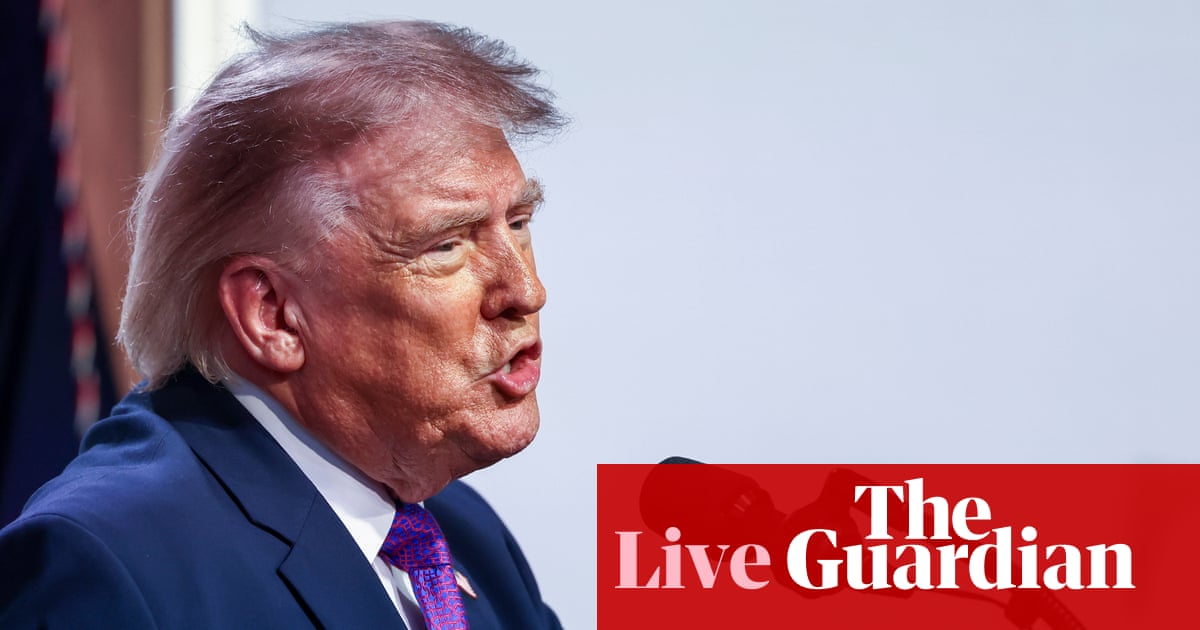
Trump expressed optimism about the prospects for reaching an agreement, describing a 'very positive development' in the talks. He stated that Arab allies had informed him that a deal was near that would leave Iran without nuclear weapons, though Tehran has consistently denied pursuing such weapons.
The announcement comes on what sources describe as day 81 of an ongoing conflict between the US, Israel, and Iran. The exact origins and progression of this conflict remain unclear from available reports, but it has evidently involved multiple regional actors and sustained military tensions over several months.
Gulf states, particularly Saudi Arabia, have reportedly proposed a non-aggression pact with Iran to prevent further escalation, according to Financial Times reporting. This diplomatic initiative reflects the desire of regional powers to avoid a larger military confrontation that could have destabilizing effects across the Middle East.
Despite the diplomatic efforts, Trump issued a stern warning that the US military remained prepared to 'go forward with a full, large-scale assault of Iran, on a moment's notice' if talks failed to produce results. This threat underscores the high stakes involved and the pressure on all parties to find a peaceful resolution.
The negotiations appear to encompass multiple issues, including Iran's nuclear program and broader regional security arrangements. A significant point of contention reportedly involves Lebanon, where Israel continues to conduct attacks in the southern part of the country despite a recently extended ceasefire. Iran allegedly wants the United States to pressure Israel to halt these operations as part of any comprehensive deal.
The international community is closely monitoring these developments, as further escalation could have severe consequences for Middle East stability. The region is already marked by various conflicts, and a direct military confrontation between the US and Iran would significantly heighten tensions.
The role of Gulf states as mediators highlights their growing importance in regional diplomacy. These countries have a strong interest in preventing escalation, given their geographic proximity to Iran and their economic dependence on regional stability. Their intervention in requesting the postponement of military action demonstrates their influence in US decision-making processes.
Trump's decision to heed the advice of Gulf allies also reflects the complex web of relationships that characterize Middle Eastern geopolitics. The United States must balance its own strategic objectives with the concerns of regional partners who would bear the immediate consequences of any military escalation.
While Trump expressed optimism about reaching an agreement, many details of the negotiations remain unclear. It is unknown what specific concessions might be expected from the various parties or how a potential agreement might be structured. The involvement of multiple actors - including the US, Iran, Israel, and Gulf states - suggests that any deal would need to address a complex array of security and political concerns.
The coming days will be crucial in determining whether diplomatic efforts can succeed in defusing tensions or whether the military option will return to the forefront. The temporary postponement of military action provides a window for negotiations, but the underlying issues that have driven the conflict remain unresolved.
Fast take
US President Donald Trump announced Monday that he called off a planned military strike on Iran scheduled for Tuesday, citing requests from Gulf state allies to allow ongoing diplomatic negotiations to continue.
NOFRAME signal
Medium divergence · 9 Sources · 4 Regions
What remains open
Coverage is not fully split, but it is not identical either. That makes the comparison useful: the fact base shows the common core, while the perspectives show where political, regional, or institutional priorities change the emphasis.
Dossier compass
Which media spaces carry the story and how broad the source base is.
Source mix
Underlit angles
- Details about military preparations
- Specific threats from Trump
- Trump's optimism about negotiations
Open originals
Go straight to the linked articles. NOFRAME does not replace those sources.
Why it matters
Coverage is not fully split, but it is not identical either. That makes the comparison useful: the fact base shows the common core, while the perspectives show where political, regional, or institutional priorities change the emphasis.
Timeline
Premium Times · May 19, 2026 at 05:37 AM
Trump says he called off renewed attack on Iran at Gulf states' request
Geo News · May 19, 2026 at 06:03 AM
Trump says held off on new Iran attack, upbeat for agreement
Al Jazeera · May 19, 2026 at 07:26 AM
Iran war day 81: Trump delays attack; Tehran says won’t ‘surrender’
The Guardian · May 19, 2026 at 07:53 AM
Middle East crisis live: Trump claims Iran attack ‘on hold’ due to request from Gulf allies